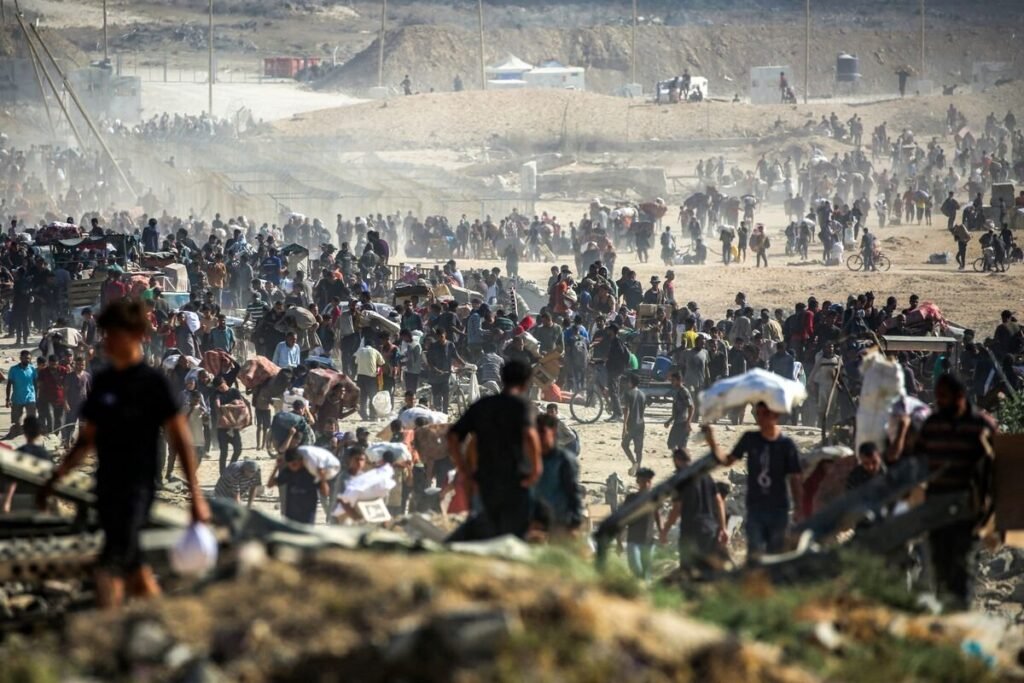
Donald Trump unveiled his 20-point plan to end the destructive genocidal war in Gaza, and it immediately became the center of global discussion. Some hailed it as bold blueprint to halt bloodshed while others dismissed it as another impractical and unrealistic American attempt to dictate peace in Middle East. The plan, unveiled in late September 2025, outlines political, economic and security measures, promising a ceasefire and long-term reconstruction. But beneath the far-reaching proposal lie contradictions and inconsistencies that demand critical attention, especially from countries like Pakistan which has historically stood with Palestinian cause.
The plan’s twenty points range from the immediate release of hostages to the deployment of international security forces, major investments in Gaza’s infrastructure and a new political arrangement that marginalizes Hamas. The proposal insists that Hamas must accept demilitarization and agree to international oversight of Gaza. One of the more disputed points is the suggestion that Arab states fund the reconstruction while Israel guarantees security control. This leans heavily in Israel’s favor and weakens Palestinian decision-making power. The structural imbalance and disproportion raise the question; is this truly about peace or about restructuring Gaza in a way that suits Washington and Tel Aviv?
While the plan attempts to balance humanitarian relief and political restructuring, its feasibility remains deeply doubtful. The proposals are broad, demanding both financial commitments from Arab states and political compromises from Palestinians at a time when trust between the key actors is at its lowest. The responsibility on Arab countries appears excessive, as they are expected to cover the financial bill and manage Gaza’s recovery while Israel retains the advantage in security matters. Such a framework risks reproducing the same cycle of reliance and control that has historically undermined Palestinian self-determination.
The lack of guarantees for genuine Palestinians participation could easily turn the plan into a technocratic arrangement run by outsiders with little accountability to those living under siege. Moreover, Trump added pressure to the negotiations by setting a deadline, warning Hamas to accept the deal by early October or face “all hell” breaking lose. This language of coercion undermines the spirit of genuine negotiation. Instead of promoting confidence, it risks pushing parties further apart. The plan ignores international law by reducing Palestinians to subjects of externally designed arrangements. For many in the Global South, this looks less like peacemaking and more like peace imposing, where Washington defines the terms and expects regional actors to comply.
Read More: Is Trump’s Gaza Peace Plan Colonialism in Disguise?
The noticeable weakness of Trump’s plan remains the absence of genuine Palestinian representation. If Hamas is excluded and the Palestinian Authority weakened, who speaks for Gaza’s two million people? History has repeatedly shown from Oslo to Camp David that any agreement sidelining the key actors eventually collapses. A peace agreement that is forced rather than negotiated is unlikely to endure.
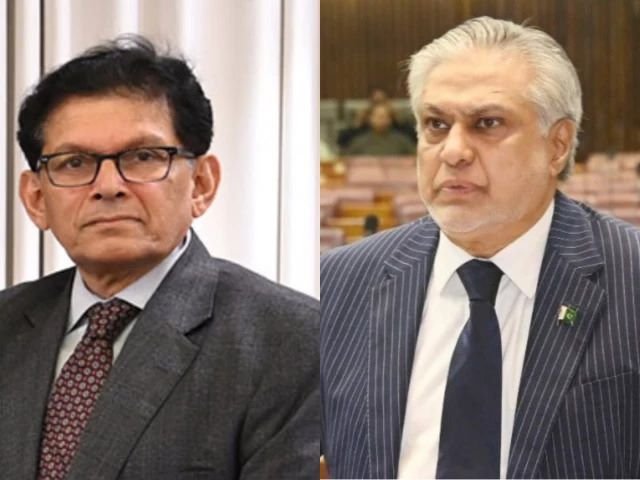
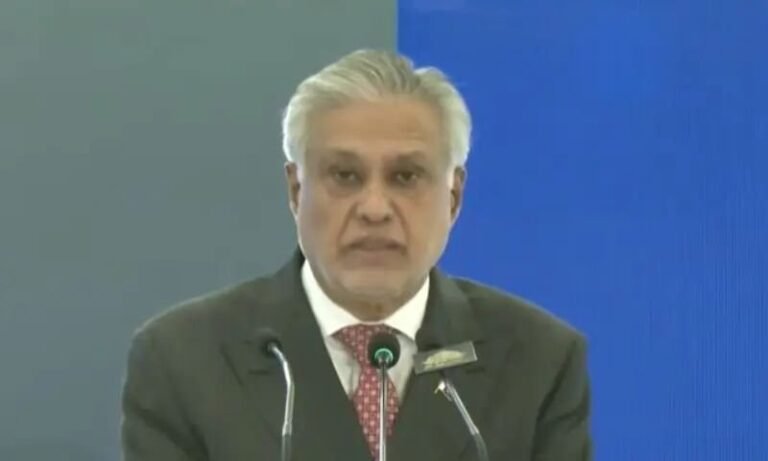
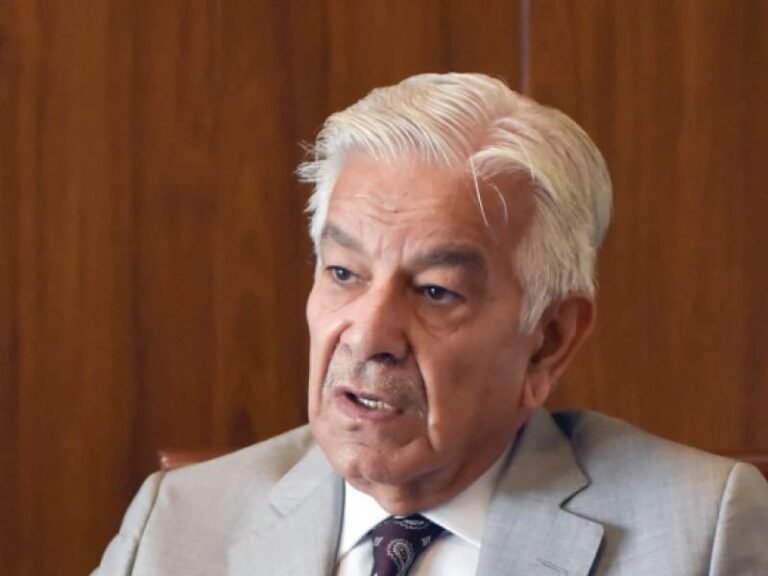
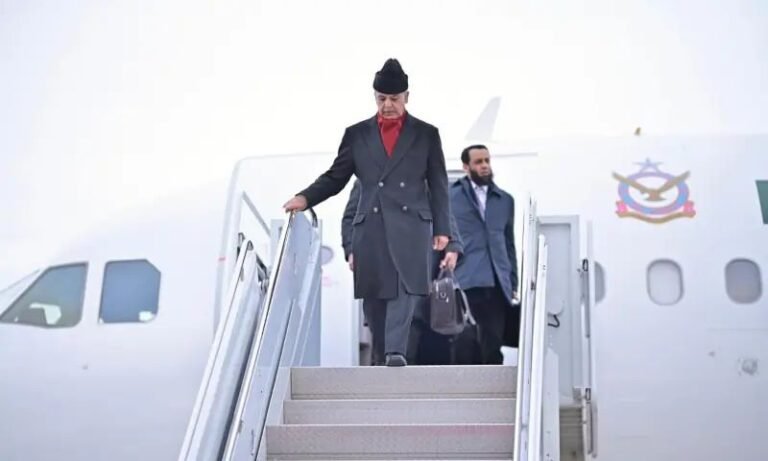
The Pakistani response to the plan adds another dimension to the debate. On 3 October, Deputy Prime Minister and Foreign Minister Ishaq Dar addressed the National Assembly where he cautiously welcomed the broader idea of negotiated peace but clarified that the version released by Washington was not identical to the draft discussed among some Muslim countries. Dar stated that “the 20 points which Trump has made public are not ours, some changes have been made in it”. During 22 September meeting with Trump, a group of eight Muslim countries including Pakistan had urged Israel to completely withdraw its forces from Gaza. However, Trump’s plan calls only for a restricted pullback, meant to pave the way for the release of the remaining hostages held by Hamas.
Dar’s position illustrates Pakistan’s long-standing dilemma. On one hand, the country has firmly voiced unwavering solidarity for the Palestinian cause, reaffirming their right to independent decision making. On the other hand, Islamabad strives to remain diplomatically in step with major powers, especially the United States, due to its own economic and security limitations. Rather than an endorsement, Dar’s statement can be read as a pragmatic attempt to keep Pakistan engaged in global diplomatic efforts while maintaining its moral position. Yet critics argue that such cautious balancing risks diluting Pakistan’s historical stance which has traditionally supported full Palestinian sovereignty and opposed any foreign-enforced solution.
For Pakistan, the challenge is not merely whether to support Trump’s plan but how to shape its stance in a way that balances morality with pragmatism. Pakistan could advocate Palestinian participation, ensure transparency in reconstruction funds and provide assurance for basic rights. Merely nodding to the U.S. line risks isolating domestic opinion and undermining Pakistan’s credibility in the Muslim world. Dar’s speech might be viewed as a first step, acknowledging the importance of the initiative while leaving room to push for greater fairness. But such a strategy requires diplomatic innovation, not submissive acceptance.
Trump’s 20-point Gaza plan is ambitious, but ambition alone cannot build peace. It offers short-term assistance, promises of reconstruction and a pathway to ending conflict. Yet its flaws, lack of Palestinian ownership, dependence on Arab funding and coercive tone of American diplomacy make its success deeply doubtful. For Pakistan, the plan is both an opportunity and a challenge. Supporting it, aligns Islamabad with global diplomacy but doing so uncritically risks damaging its principled support for Palestine. A wiser path would be for Pakistan to welcome discussion while firmly insisting on Palestinian representation and genuine sovereignty. Anything less may stop the war temporarily but will not deliver the just and enduring peace the region so desperately needs.
*The views expressed in this article are the author’s own and do not necessarily reflect the editorial policy of TDI.

Muhammad Usama Khan
Muhammad Usama Khan is studying International Relations at NUML, Islamabad. He can be reached at ukhanusama10909@gmail.com