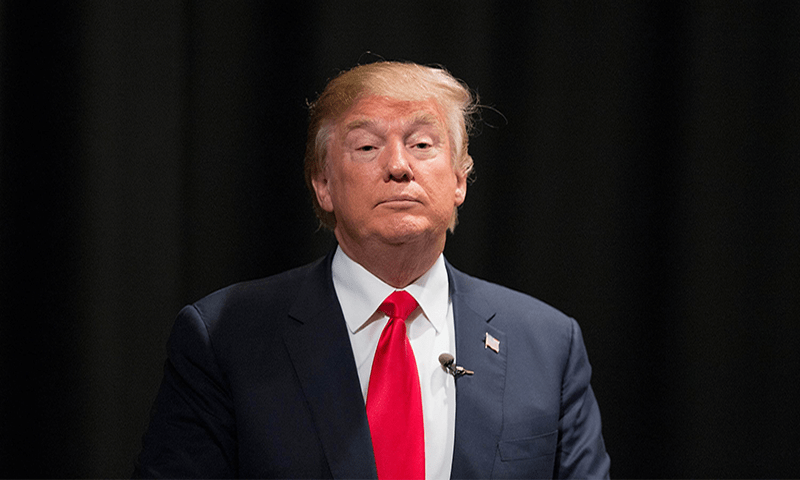
Washington (TDI): US President Donald Trump has announced that any country doing business with Tehran will face a 25% tariff on trade with the United States, in the wake of protests in Iran which have now entered the third week.
In a post on his social media platform, Trump said the tariff will be applied “effective immediately” to all nations that maintain commercial relationships with Iran, even if they are also trading with the United States.
His statement described the order as “final and conclusive” but offered no details on how the measure will be enforced or which specific transactions will be targeted.
The announcement comes as Iran is gripped by widespread demonstrations that began in late 2025 and have since evolved into some of the most serious unrest in decades.
The Norway-based group, Iran Human Rights (IHR), reported that at least 648 people, including nine children, have been killed during the protests, while warning that the actual number could be far higher, possibly exceeding 6,000, based on other estimates.
The group said ongoing internet shutdowns have made it extremely difficult to independently verify casualty figures and reported that around 10,000 people have been detained.
Read More: Iran Says Ready for War or Talks as Trump Threatens Military Action
IHR Director Mahmood Amiry-Moghaddam urged the international community to take action, saying there was a responsibility to protect civilians from what he described as mass killings by Iranian authorities.
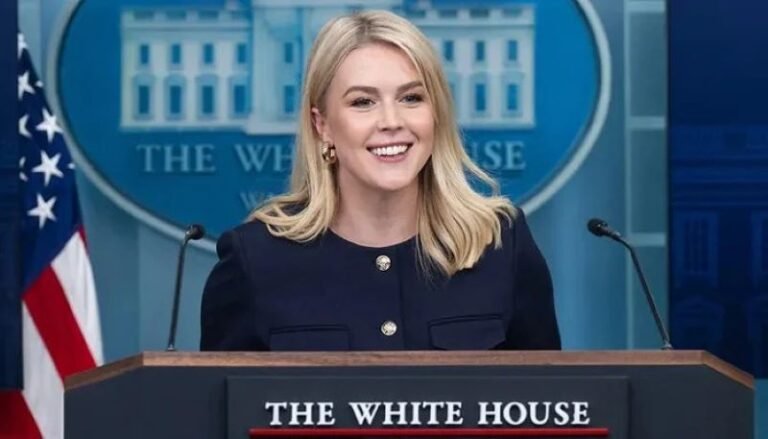
Meanwhile, the White House said President Trump remained willing to use military force, if necessary, but stressed that his administration continues to prioritize diplomatic engagement.
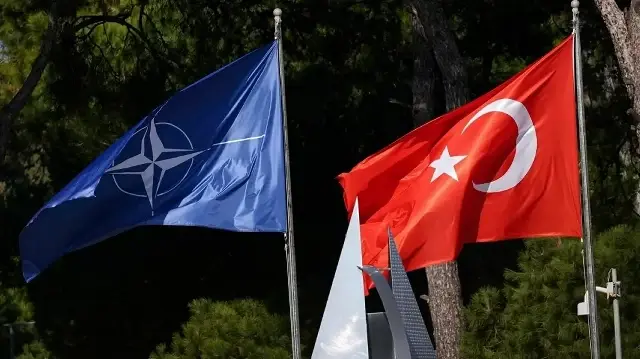
Trump’s tariff policy directly threatens key economic partners of Iran, including China, Turkey, the United Arab Emirates, and Iraq, which together make up a significant portion of Tehran’s foreign trade.
While the tariffs are intended to cut off Iran’s economic lifelines, they put Iran’s trade partners in a tough spot, forced to choose between maintaining business with Tehran or securing deeper access to the enormous US market.
The White House is preparing to discuss its next steps on Iran, with Trump’s national security team expected to meet on Tuesday, though the president’s attendance is uncertain.
Trump has signaled that military options remain on the table if protests in Iran continue to result in deaths, while noting that Iranian officials have reached out to negotiate.
The crisis in Iran stems not only from economic turmoil and currency collapse but also from growing challenges to the legitimacy of Supreme Leader Ayatollah Ali Khamenei.

Minahil Khurshid holds a master’s degree in Peace and Conflict Studies from CIPS, NUST. She has a strong interest in current affairs, geopolitics, and policy analysis.