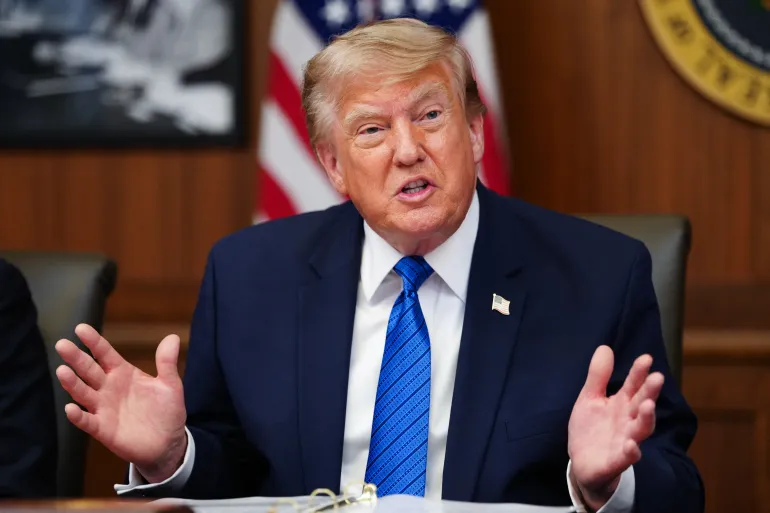
Washington (TDI): US President Donald Trump has rejected Iran’s latest proposal concerning the reopening of the Strait of Hormuz, saying the offer did not go far enough, while leaving open the possibility of renewed US military action against Tehran after the November midterm elections.
In an interview with TIME, Trump said he had reviewed parts of Iran’s proposal but considered it “simply not enough.” He did not provide detailed conditions for accepting the Iranian offer, but said Washington’s position reflected demands he would have made a year earlier as well.
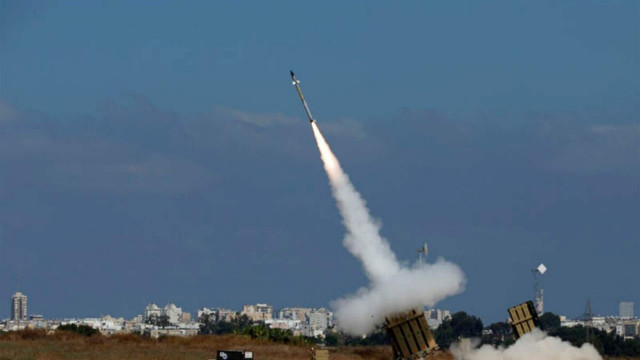
Trump also said renewed bombing of Iran remained possible after the midterm elections and pointed to the size of the US military arsenal when discussing the possibility of further action.
Asked about his previous remarks concerning the destruction of Iran, Trump said such an outcome remained possible. He also argued that US military action had reduced the threat posed by Iran, while saying he did not expect lasting peace with Tehran.
Read More: Trump Advisers Warn Iran War Could Last for Years: Report
Trump further disputed reports of significant US ammunition shortages following the military campaign in Iran. He acknowledged that supplies of some types of munitions were lower but said the United States was replenishing stocks at unprecedented levels.
The US president also claimed that American forces had destroyed Iran’s navy, air force and radar systems. These remarks form part of Trump’s broader description of the military campaign and were not independently assessed in the interview.
Iranian President Masoud Pezeshkian, meanwhile, said Tehran would continue defending itself while remaining open to negotiations. Speaking to entrepreneurs on Thursday, Pezeshkian said Iran had not abandoned dialogue despite what he described as repeated US attacks and the continuing dispute over the Strait of Hormuz.
“We defend the rights of our society with dignity and pride, and we have never run away from dialogue and will not do so,” Pezeshkian said, according to Iran’s official IRNA news agency.
Iran has accused Washington of violating an earlier understanding by maintaining a naval blockade around the country. Tehran has also been seeking alternative trade routes as restrictions on maritime commerce continue.
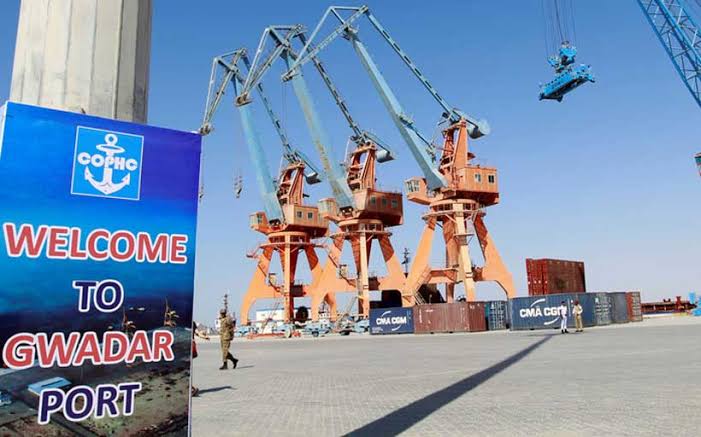
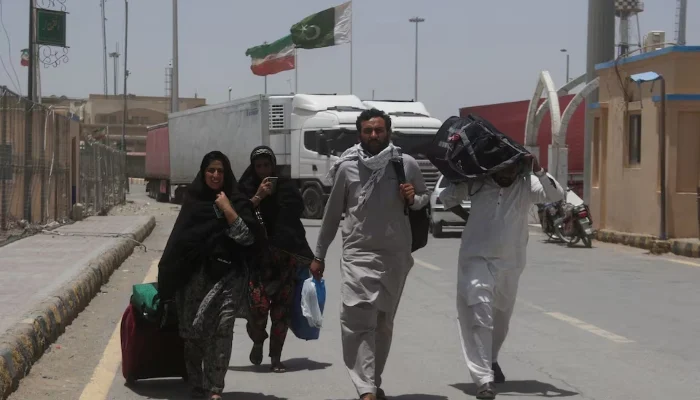
Pezeshkian said Iran was looking to expand land-based import and export routes through Pakistan, Iraq, Turkmenistan and Azerbaijan to reduce the impact of restrictions on sea routes.
Read More: Putin, MBS Discuss Gulf Security as Iran-US Tensions Persist
The comments came as Tehran awaited a US response to its latest proposal aimed at reviving a collapsed ceasefire arrangement.
Washington simultaneously announced fresh economic measures against Iran. The US Treasury Department on Thursday imposed sanctions targeting parts of Iran’s automotive and rail sectors under its Operation Economic Outcast, an initiative launched in August to increase economic pressure on Tehran.
The measures target major Iranian automakers, including Iran Khodro Company and SAIPA, which the Treasury says account for more than 90% of Iran’s domestic automobile market. Several Iranian rail companies were also designated.
US Treasury Secretary Scott Bessent said the measures were intended to target what Washington considers key sources of revenue and logistical capacity for the Iranian government and the Islamic Revolutionary Guard Corps.
The Treasury said the sanctions form part of a broader campaign targeting Iranian industrial, financial and sanctions-evasion networks. Washington has also recently sanctioned entities and individuals accused of supporting Iran’s military procurement and sanctions-evasion activities.
The latest measures add economic pressure at a time when Iran is attempting to expand overland trade links with neighbouring countries amid continuing restrictions on maritime commerce.