Washington (TDI): The administration of US President Donald Trump has avoided making definitive statements about potential military actions in Iran, saying such clarity could restrict strategic flexibility as the situation continues to evolve.
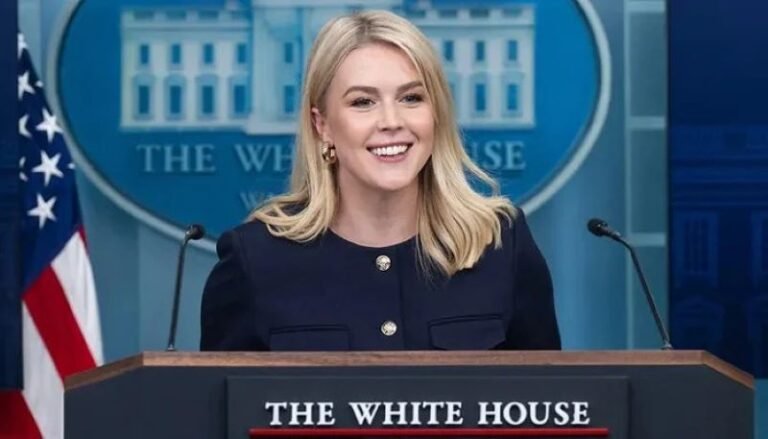
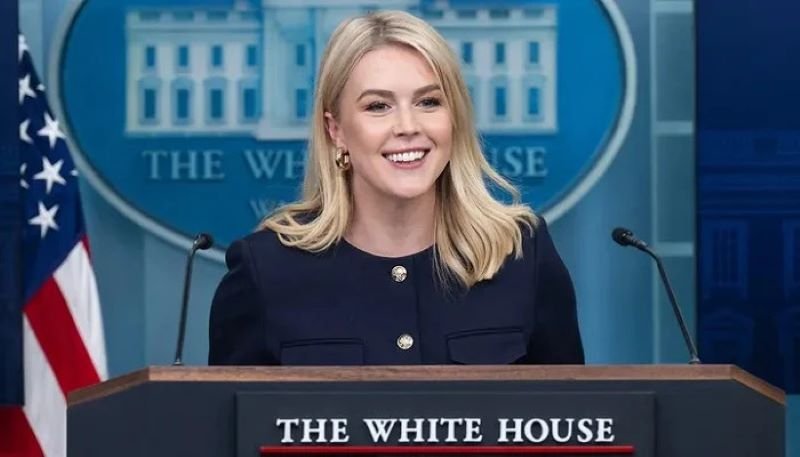
During a press briefing on Wednesday, White House Press Secretary Karoline Leavitt said deploying American ground forces inside Iran is not part of the current operational plan. However, she stressed that the administration is not prepared to completely rule out the possibility.
“It’s not included in the present strategy, but I’m not going to remove any option that the president may decide to use,” she told journalists.
Leavitt noted that earlier US administrations sometimes weakened their strategic position by dismissing potential actions too quickly, only to face changing circumstances later. According to her, the current approach aims to maintain maximum flexibility as events develop.
The messaging reflects a long-standing principle in US national security policy: keeping certain options ambiguous can strengthen deterrence while preventing unnecessary escalation.
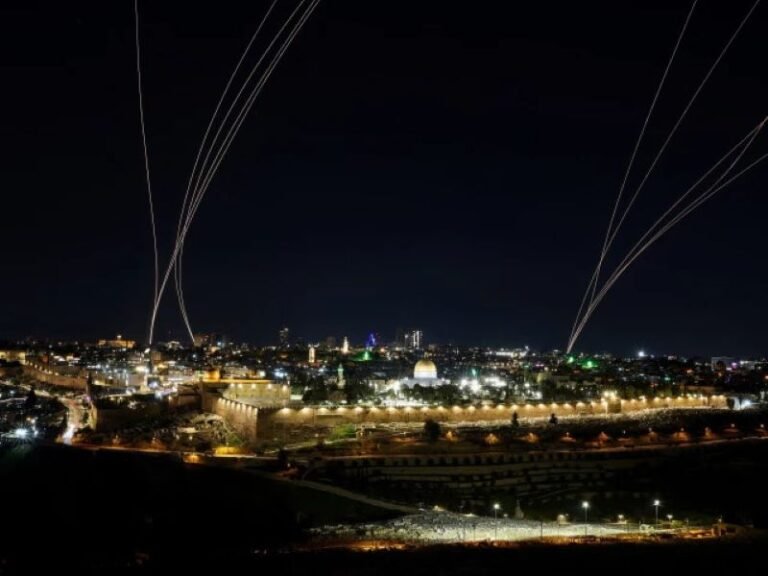
Her comments came during the first White House briefing since the start of Operation Epic Fury, a coordinated US-Israeli military campaign launched on February 28 involving extensive air and naval strikes across Iran.
According to the administration, the operation has targeted military infrastructure and security facilities and resulted in the killing of Iran’s Supreme Leader Ali Khamenei along with several senior commanders.
Read More: Iran Accuses Israel of Strikes on Gulf Energy Sites
So far, Washington and its ally Israel have relied on aerial bombardments and naval operations rather than deploying ground troops. Leavitt said the campaign focuses on four primary objectives: neutralising Iran’s ballistic missile threat, weakening its naval forces, disrupting drone and missile production capabilities, and blocking Tehran’s path to developing nuclear weapons.
She also claimed the United States was moving toward “complete and total control” of Iranian airspace, adding that nearly 2,000 targets had already been hit since the operation began.
Despite the emphasis on air and naval power, the possibility of sending US troops into Iran remains a key question as hostilities intensify. When asked earlier this week, President Trump did not rule out the scenario.
“Like every president says, ‘There will be no boots on the ground.’ I don’t say it,” Trump told the New York Post. “I say we probably won’t need them, but if they become necessary, that’s another matter.”
At the Pentagon, the chairman of the Joint Chiefs of Staff, Dan Caine, declined to speculate on whether troops might eventually be deployed. “I won’t comment on that. Decisions like that are made by policymakers,” he told reporters. “My role is to execute policy, not create it.”
Read More: Hegseth Claims US Is Winning Against Iran
The expanding conflict has also triggered concern on Capitol Hill, where several lawmakers fear the United States could be drawn into a prolonged war.
Democratic Senator Richard Blumenthal said he left a classified briefing on the operation deeply worried about the possibility of American troops entering the conflict.
“I’m more concerned than ever after this briefing that we may end up sending US forces on the ground to achieve the administration’s objectives,” he said.
Blumenthal added that lawmakers were still uncertain about the long-term strategy behind the military campaign.
Other Democrats echoed similar concerns. Senator Elizabeth Warren criticised the administration, saying the situation appeared “far worse than initially believed” and arguing that the war had begun without evidence of an immediate threat to the United States.
Senator Chris Murphy warned that the conflict could lead to additional American casualties.
“This is about war and peace,” Murphy said. “We were told that more Americans may lose their lives.”