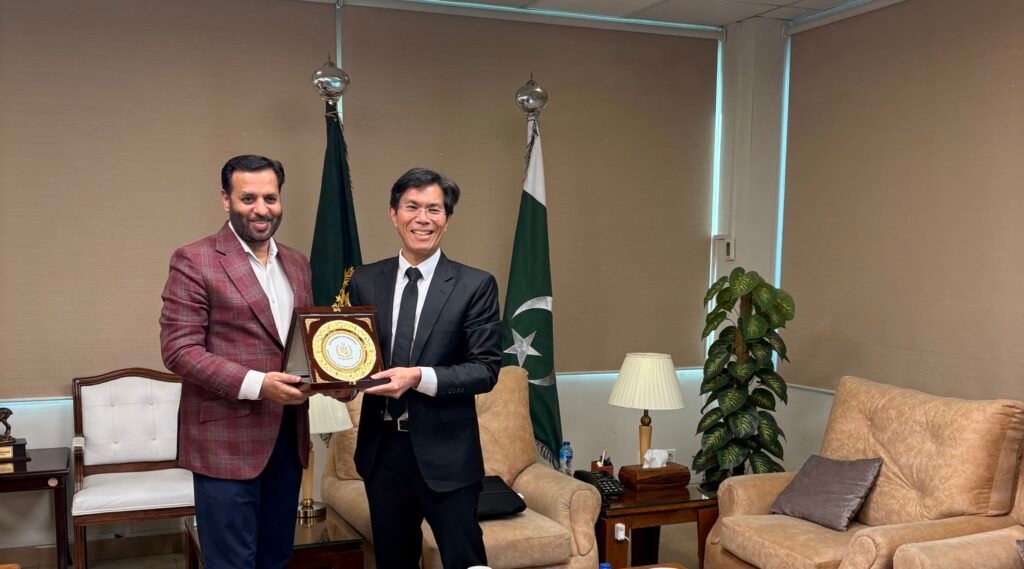
Islamabad (TDI): Thailand and Pakistan have agreed to strengthen bilateral cooperation in public health, with a focus on advancing Universal Health Coverage (UHC) and promoting Thailand as a world-class medical destination for Pakistani patients.
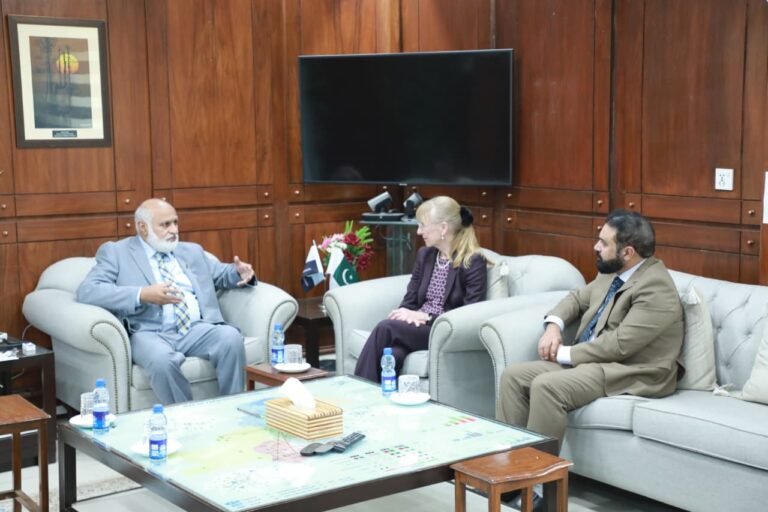
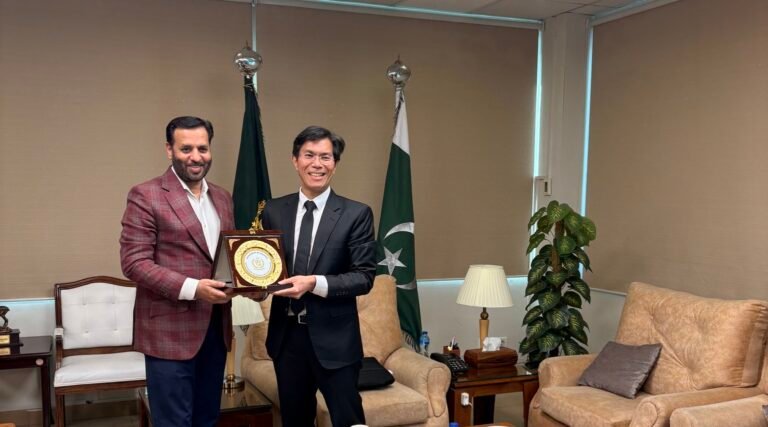
The commitment was reaffirmed during a courtesy call by Rongvudhi Virabutr, Ambassador of Thailand to Pakistan, on Syed Mustafa Kamal, Pakistan’s Minister of Health.
The meeting underscored both countries’ shared interest in enhancing healthcare sustainability through knowledge exchange and strategic collaboration.
A key area of discussion was the potential adaptation of Thailand’s successful UHC model to Pakistan’s healthcare system.
Thailand’s UHC system has been internationally recognized for significantly reducing out-of-pocket health expenditures and expanding access to essential services. Currently, Pakistan’s average out-of-pocket spending on medical expenses stands at approximately 53 percent, placing a considerable financial burden on households.
The two sides explored how Thailand’s experience could support Pakistan’s ongoing healthcare reforms, particularly in strengthening primary healthcare and preventative measures.
The Thai model emphasizes community-based healthcare delivery, including the use of village health volunteers, and prioritizes preventative care to reduce hospital admissions.
By focusing on early intervention and wider access to primary care, the approach aims to improve overall public health outcomes while easing pressure on tertiary facilities.
Read More: Thailand- Pakistan Ties: An Interview with Ambassador Rongvudhi Virabutr
Minister Syed Mustafa Kamal commended Thailand’s achievements in implementing UHC and expressed keen interest in applying elements of the Thai system to Pakistan.
He noted that UHC and the promotion of preventative healthcare are already central objectives of the Ministry of National Health Services, Regulations and Coordination.
Enhanced cooperation with Thailand, he said, could contribute to building a stronger and more equitable public health system in the long term.
In addition to public health reform, the meeting highlighted opportunities for medical tourism. Ambassador Rongvudhi emphasized Thailand’s reputation as a global healthcare hub, offering advanced medical technology, internationally trained specialists, and high standards of care at competitive costs.
He noted that Thai medical facilities are well-equipped to meet the growing demand from Pakistani patients seeking sophisticated and high-quality treatments abroad.
Thailand has established itself as one of Asia’s leading medical tourism destinations, combining clinical excellence with affordability and patient-centered services.
Increased collaboration between the two countries is expected to facilitate greater access for Pakistani patients to Thai healthcare institutions.
The meeting marks an important step toward institutionalizing a robust health partnership between Thailand and Pakistan, reflecting a shared commitment to accessible, affordable, and high-quality healthcare for their respective populations.