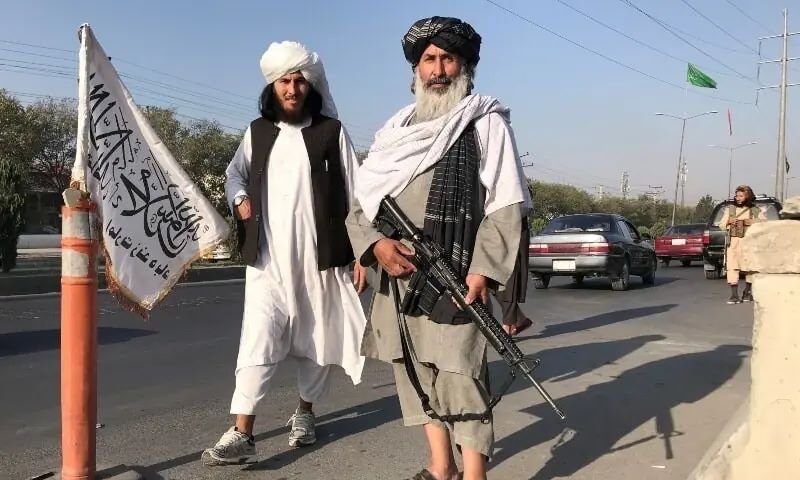
Kabul (TDI): A leaked speech by the Taliban’s supreme leader has brought renewed attention to long-rumoured internal divisions within Afghan interim government, particularly between power centres in Kandahar and Kabul, BBC reported.
The audio recording, reportedly delivered by Hibatullah Akhundzada at a religious seminary in Kandahar about a year ago, includes warnings about internal disputes that could ultimately weaken or even destroy the Taliban from within. Some analysts see the remarks as rare, indirect confirmation of tensions among the group’s senior leadership.
BBC Afghan’s investigation suggests that the Taliban leadership has gradually split into two broad camps, each promoting a different vision for Afghanistan’s future.
One faction, firmly aligned with Akhundzada and based largely in Kandahar, supports an uncompromising model of governance. This group favours strict religious control over society, minimal engagement with the outside world, and rule by clerics loyal to the supreme leader.
The second camp, largely operating out of Kabul, includes influential ministers, senior militants, and religious figures. While still committed to a hardline interpretation of Islam, this group argues for limited international engagement, economic development, and easing some restrictions, including allowing girls and women access to education beyond primary level.
Until recently, it remained unclear whether the Kabul-based leadership would ever openly defy Akhundzada. That question gained urgency following an incident in late September, when the supreme leader reportedly ordered a nationwide shutdown of internet and phone services. The blackout lasted just three days before services were unexpectedly restored, without any official explanation.
Read More: Taliban Appoint First Envoy to India in Major Diplomatic Move
According to insiders cited by the BBC, the decision to reconnect Afghanistan was made by figures in Kabul, directly contradicting Akhundzada’s directive. For a movement known for strict internal discipline, the move was seen by some observers as an extraordinary act of defiance.
Power Centralised in Kandahar
Although Akhundzada was the undisputed leader when the Taliban returned to power in 2021, he lacked battlefield credentials. During the early months of Taliban rule, figures such as Sirajuddin Haqqani and Mullah Yaqoob, the son of Taliban founder Mullah Omar, played key roles in stabilising the regime.
Over time, however, these figures were confined to ministerial roles, while Akhundzada consolidated authority from Kandahar, the Taliban’s historic stronghold. Even Mullah Abdul Ghani Baradar, a founding member of the movement, was appointed only as a deputy prime minister.
Read More: Taliban’s Kabul Takeover Hits Pakistan Hard, Report
Akhundzada increasingly relied on a close circle of hardline advisers and began issuing decrees without consulting Kabul. Policies on women’s education, public morality, and governance often contradicted assurances made by Taliban leaders before taking power.
The supreme leader has also remained largely out of public view. He rarely meets officials, cannot be photographed or filmed, and is believed to communicate orders directly to local security units, bypassing ministers altogether.