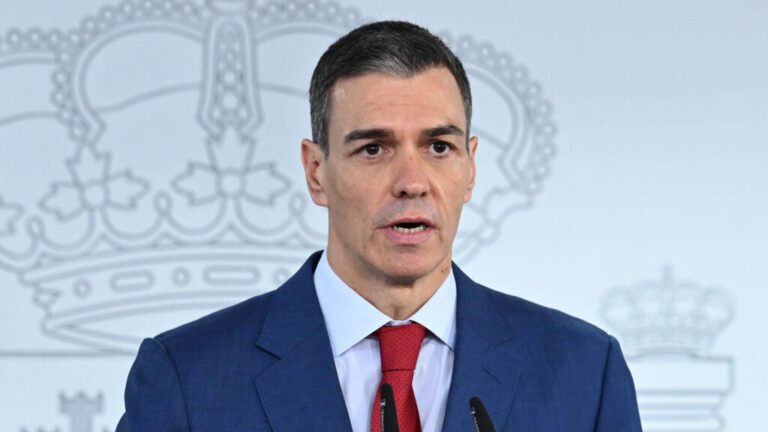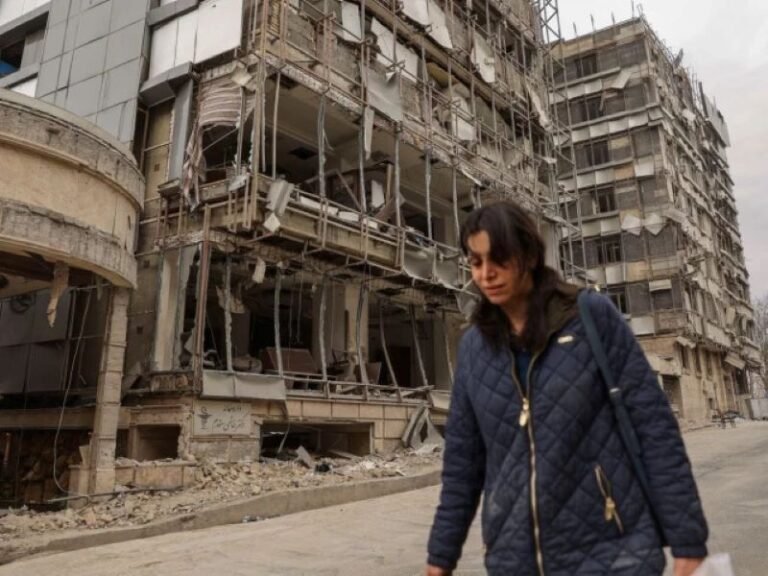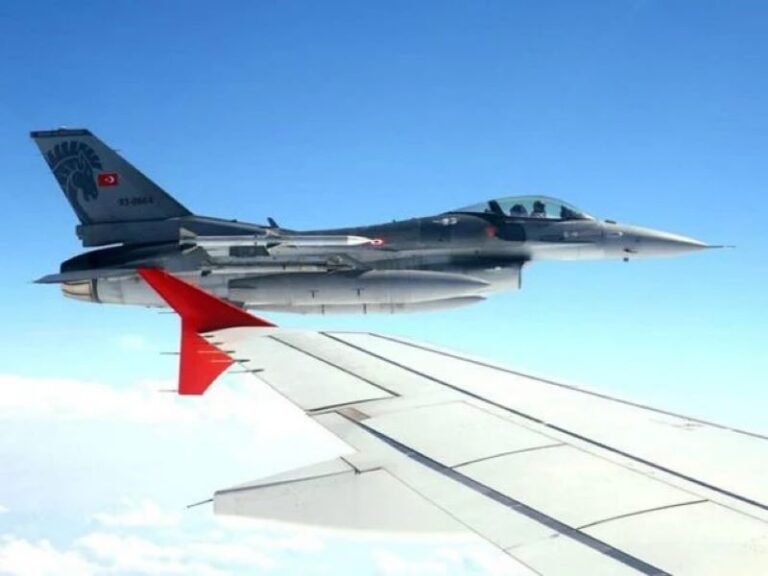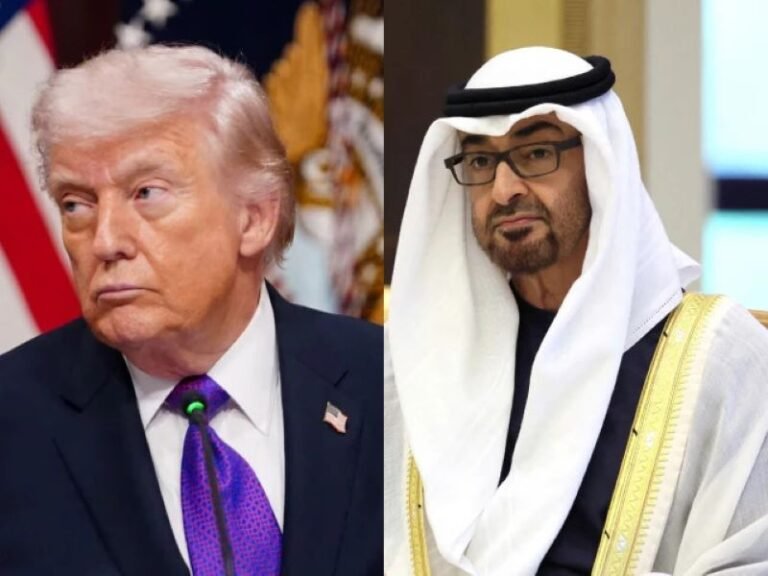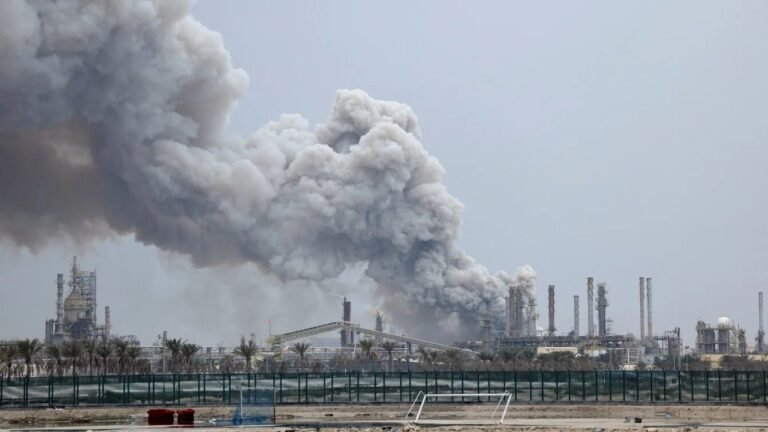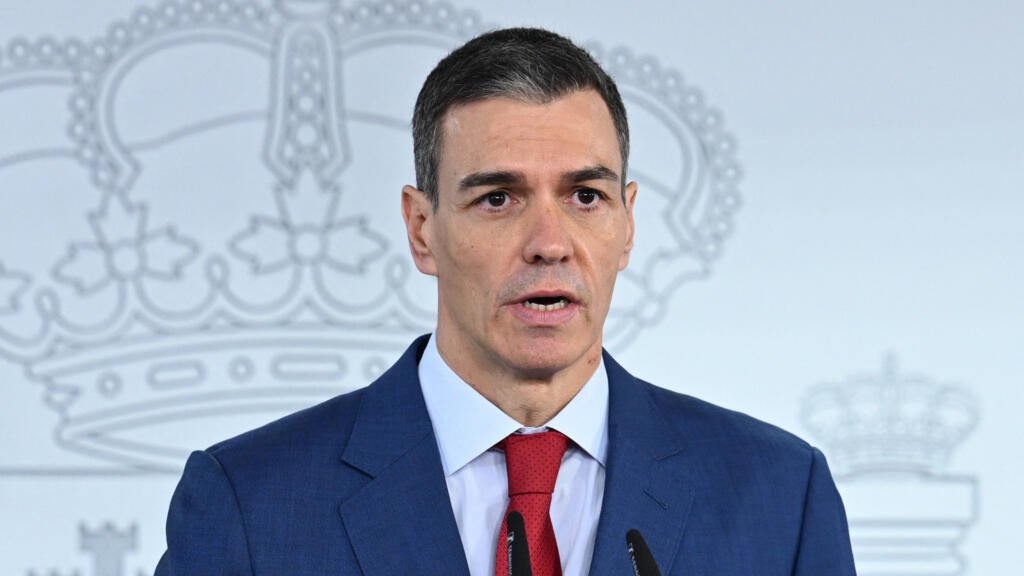
Spain’s decision to reject the possibility of military cooperation with the United States and Israel in the war against Iran has brought the country into the spotlight, as well as the differences between Western allies in addressing the tension in the Middle East. Although a number of European countries have expressed their willingness to consider defensive military action against Iran, Spain’s approach is different.
The contention revolves around the fact that Spain will not permit the U.S. military to utilize two vital military installations in southern Spain for the purposes of the conflict. The two installations include the U.S. Rota Naval Base in the province of Cádiz and the Morón Air Base in the province of Seville.
The installations have traditionally functioned as vital logistical centers for U.S. military operations in Europe, North Africa, and the Middle East. Nonetheless, the Spanish government insists on the need to utilize the installations within the boundaries of international law.
Spain has sought to emphasize that its position does not mean to support Iran. Spanish Foreign Minister José Manuel Albares has expressed his government’s strongest condemnation of Iran’s missile and drone strikes against countries in the Persian Gulf and Cyprus, calling them “absolutely unjustified.”
Even though Spain condemns the actions taken by Iran, the country thinks that the best solution is through diplomacy and not war. Albares has stated that Europe should be included in the quest to ensure that there is a balance and moderation in the region and at the same time encourage the resumption of talks.
The use of force must be carried out in compliance with international law, which in most instances involves the UN Security Council and self-defense.
Strategic Importance of U.S. Bases in Spain
The bone of contention between the two countries appears to be the use of two longstanding military bases in Spain. The United States has had a longstanding military presence in Spain since 1953 through a defense agreement that permits the use of Spanish bases in the execution of strategic missions.
Morón Air Base, which is near the city of Seville in southern Spain, has often been used as a base for U.S. aircraft deployed in Africa and the Middle East. Rota Naval Base, which is near the Strait of Gibraltar, is a significant base used by the United States Navy in the Mediterranean region.
There are 3,000 to 4,000 American military personnel and civilian personnel stationed at the Rota base. Additionally, the base hosts four U.S. Navy Aegis missile defense destroyers that are part of the NATO ballistic missile defense force. Access of the United States to Spanish bases was of extreme importance, especially due to their strategic importance.
Following the decision by Spain not to give its permission for the use of its bases in any operations that are related to the conflict in Iran, more than a dozen KC-135 aerial refueling planes that had been stationed at Morón Air Base in Spain were relocated. These are important assets for military operations, especially over long distances, as they enable fighter jets and bombers to refuel in mid-air and thus extend their range.
Read More: Spain Rejects US Pressure as EU Voices Full Support
The position of Spain is different from that of other European nations. France, Germany, and the United Kingdom have condemned the actions of Iran and have stated that they may resort to “proportionate defensive action” against Iran in retaliation for missile and drone attacks.
The positions of these countries can be described as defensive, aiming to protect their regional allies from Iran. However, these countries have avoided discussing the legality of the actions they took against Iran in their statements.
The United Kingdom has stated that it may allow U.S. military forces to operate from their bases for defensive actions against Iran, while Germany has expressed its political support for actions that protect other nations from Iran developing more military power.
Growing Tensions With Washington
The U.S. President Donald Trump has threatened Spain by saying that he might consider ending the U.S.-Spain trade relationship in case Spain does not allow the U.S. access to the bases. This is because Trump believes that the U.S. needs the support of European countries in dealing with the conflict in Iran.
However, the Spanish government has reaffirmed its position regarding the issue. Defense Minister Robles said that the country would not allow the bases to be used in operations related to the conflict in Iran.
Practically speaking, it is also difficult to impose a trade embargo on Spain, as its economic policies are regulated by the European Union, and economic decisions are taken collectively by all 27 members of the union.
Economic facts also reveal that the United States is enjoying a surplus in its trade with Spain, and the value of the annual trade between the two countries is over $40 billion.
Read More: Spain and Five Latin American Nations Condemn US Action in Venezuela
Spain’s position has captured much interest because it puts international law at the center of the debate. Military action is prohibited by the United Nations Charter, apart from self-defense or when it is authorized by the UN Security Council.
Opposition to the current military campaign claims that the military operations carried out without such authorization might undermine the current body of law that regulates international security.
Supporters of the military campaign claim that defensive strikes might be legitimate in order to protect against future attacks or destabilizing activities.
This disagreement is a manifestation of a larger issue in international relations, the balance between legal principles and security considerations.
Spain’s government has stated that the credibility of international law must be sustained by the consistent application of the same rules, regardless of the states involved.
A Divided Western Response
This disagreement over Spain’s position is a symptom of a larger problem, the fragmentation of Western allies over the use of military force in international crises. While there is broad agreement that Iran’s activities in the region pose a security threat, there are significant variations in how best to address the challenge.
This absence of Spain in military operations should not be taken to mean that the country is backing down from its alliance obligations. It is a member of the NATO alliance and still takes part in international operations in the Middle East and Europe. This conflict, however, shows the challenges facing alliances due to the different perspectives of each country on the security threats they face.
The decision of Spain to prohibit the utilization of its military bases for any operation against Iran has become an issue that has come to symbolize the larger debate regarding military intervention, international law, and conflict resolution in global crises.
The focus of Spain on conflict resolution and international law has thus set it apart from other Western nations that have indicated willingness to employ defensive military action, as demonstrated by the current tensions with the United States.
The current situation in the Middle East is likely to continue evolving, and it is possible that Spain’s stance will have implications for future debates regarding conflict resolution among democratic allies.
*The views presented in this article are the authors’ own and do not necessarily reflect the views of The Diplomatic Insight.

Malik Muhammad Saeed Awan
Malik Muhammad Saeed Awan is a graduate of International Relations and currently serves as a Research Assistant at the Sindh Social Protection Authority (SSPA). His work focuses on policy research, data analysis, and supporting social protection programs in Sindh, contributing to evidence-based policymaking and public welfare initiatives.