Public diplomacy is a vital tool for promoting regional and global peace and stability. Strong people-to-people ties, cultural cooperation, youth exchanges, media collaboration, health initiatives, technology sharing, and appreciation of arts, crafts, and history all strengthen mutual understanding and trust. These are the core areas that must be actively promoted and developed to foster lasting harmony.
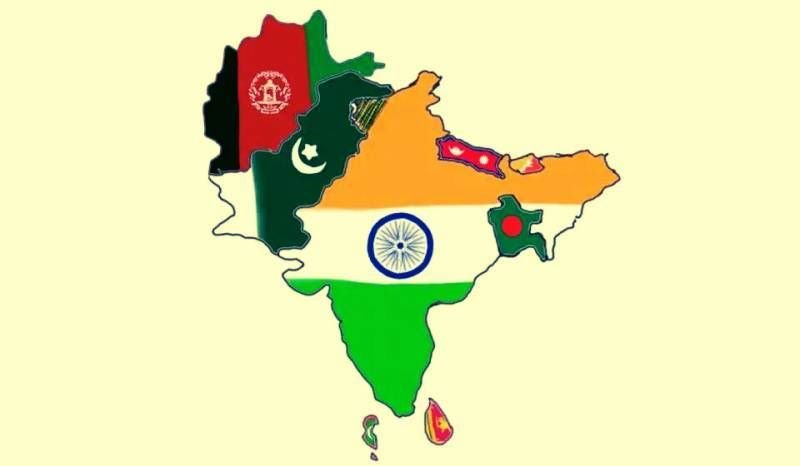
The South Asian region in 2025 has been analyzed and discussed by the world’s departments, centers, and regional experts and we wanted to take a look at it. According to the UN classification, from a political and geographical point of view, South Asia includes the countries of Afghanistan, Bangladesh, Bhutan, India, Nepal, Maldives, Pakistan, and Sri Lanka. South Asia covers an area of 4.5 million square kilometers, which is 10% of all Asia and 3% of the world’s land. The Asian region is one of the largest regions in the world, and it is considered one of the most important strategic regions, along with part of South Asia or South East Asia.
Subsequently in the beginning of the independence period the Central Asia region especially Tajikistan has established good diplomatic relations with the South Asian countries particularly India and Pakistan having common links of literature, culture, language and history, projects and programs in developing and sharing its abundant natural potential and creative initiatives play a strategic role in solving various world issues.
In this regard, Tajikistan Institute for the Study of Asian and European Studies prepared and presented a book entitled “Asian Studies: Geo-economics state and Development of South East Asian Countries” published in the form of a collective monograph in 2025.
Read More: Pakistan Calls for Stronger South Asian Integration on SAARC Charter Day
The book analyzes the geo-economics issues and development of South East Asian countries in modern times, taking into account the national interests and strategic and geopolitical goals of key states in the region, influential regional powers, and cooperation within international and regional organizations. It focuses on various factors, including political, economic, and social of countries in modern times and their impact on national interests, the geopolitical, geo-economics-social, and ecocultural situation counting Tajikistan.
Thus, the situation and prospects of the South Asian region have been discussed by world centers, magazines, and newspapers, including the analytical magazine “Diplomat” and the Chinese newspaper “Nhan Dan”. Thus, regional expert, journalist, and researcher Ratindra Kuruvita, in his article titled “2025 in South Asia: A Year of Economic and Political Shocks”, examined the situation in the region, describing 2025 as a reflection of great political power, especially among the younger generation, as well as the continuation of advocates, intolerance, and strategic mistrust.
Read More: The Urgent Need for South Asian Countries to Work Together as Climate Migration Surges
The ongoing tensions and instability witnessed across South Asia this year stem from long-standing conflicts that have accumulated over time and remain difficult to resolve to this day. Another article, titled “the world in 2025: new spiral of instability in South Asia” published in the newspaper Nhan Dan, notes that of the many unrest that rocked South Asia in 2025, tensions between India and Pakistan have drawn the most attention. Relations between the two nuclear-armed neighbors are widely considered to be among the most complex and tense in the world, with deep and enduring disagreements fueled by tensions over the disputed territory of Kashmir.
Both neighboring states have been embroiled in numerous disputes over the disputed territory, with terrorism also a major sticking point in their relations, accusing each others of supporting militant groups that have carried out deadly attacks. The tough stances on both sides, combined with a series of military exercises designed to show strength, have led New Delhi and Islamabad to a bitter standoff.
Thus, with the support and mediation of the international community, tensions between the two countries have rapidly declined, and lessons learned from previous confrontations have prompted both sides to end the confrontation swiftly. However, a rapid reduction in tensions does not equal lasting stability and deep-rooted differences between states remain unresolved, leaving the peace fragile and flashpoints that could rekindle future crises.
Meanwhile, 2025 also witnessed waves of political variability in other South Asian countries, especially Nepal, Bangladesh, Afghanistan, Pakistan clashes and protests reflected demands for economic and institutional reforms.
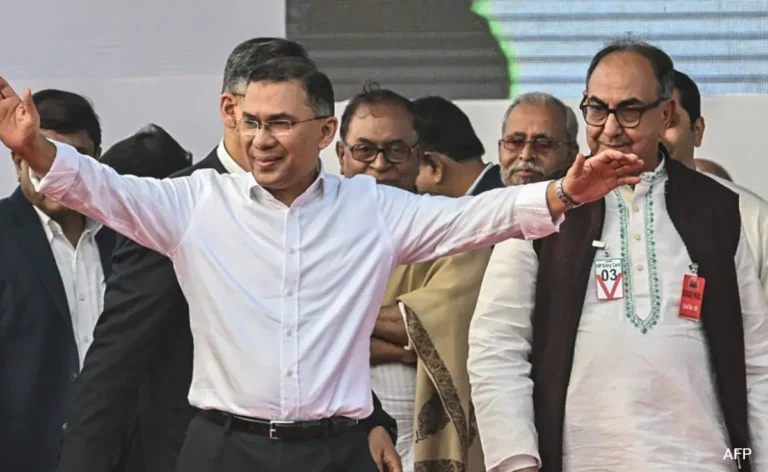
In Nepal, a ban on social media led to large-scale demonstrations that escalated into violent clashes. In Bangladesh, after student protests that ousted former Prime Minister Sheikh Hasina, serious violence flared up again in late December 2025. Political unrest in several South Asian countries demonstrates that state legitimacy is not only based on election results, but also on significant improvements in people’s lives.
Major South Asian countries, including Afghanistan, Pakistan, and India, are mired in regional disputes and “egoistic” issues that have hindered the development and growth of programs and projects. Wars and conflicts between countries in the region, and the prevention and fight against terrorism and extremism, also have negative consequences for the region, becoming a factor and an obstacle to the development of their trade and economy.
Strategic competition between great powers has had a greater impact on the security and economy of the region. Political crises in South Asia reflect a complex picture of internal instability and intense geopolitical competition. US tariff policy, in particular, has had a significant impact on Asia in general and South Asia in particular.
Thus, the South Asian region diplomatic efforts by great external powers are necessary to reduce severe tensions and political crises, but such efforts are always associated with vested interests that require drastic reforms.
It is noted that the lack of active consultation, vigorous advice, counseling and promoting regional peace and stability brought more threats and dangers leading towards terrorism and extremism accordingly. Regional wars and conflicts between neighboring countries, especially Pakistan and Afghanistan, have increased, and simple and solvable issues have turned into fierce and aggressive confrontation. Thus, such conflicts have led to the complication of the political situation in the region and the world.
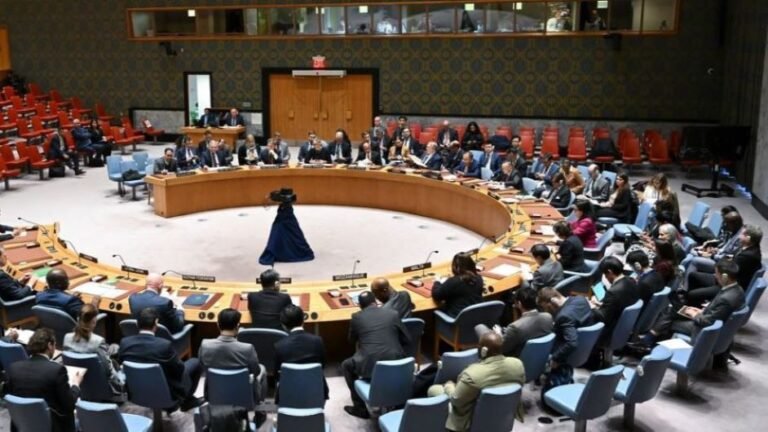
Thus, in the start of 2026, it is suggested that the South Asia regions need to determine the direction of development of region through the combination of political transitions, economic reforms, and strategic projects plans. The regional developments, which include politics, economics, society, and the environment, are key issues, and countries need to establish a dialogue process within the UN, SCO and SAARC frameworks, mediated by advanced countries in 2026, using the resolution of border, political, and military crises between the conflicting regions. On the other hand, unresolved crises, ranging from internal conflicts to great power competition, threaten to undermine regional stability.
Finally it is proposed that the leaders of the countries of the region work together cooperatively using the strategy of “increasing trade”, “eliminating war, ignorance and violence”, “promoting sympathy, common language and integration” to create sustainable development and security transform the region into a hub center and source of trade, tourism and industry place of the world.
Efficiently the regions continue their cooperation in the light of regional agreements, forums, and organizations using the following aspects:
- Focus on regional public diplomacy using of technological potential.
- Enhancing cooperation in the field of education and science, exchanging of students, trainees and undergraduates and the implementation of art and cultural programs.
- Encourage public diplomacy within the UN, Shanghai Cooperation Organization, SAARC, CICA to strengthen peace and harmony, promoting strengthening connections among people.
- Strengthening economy, trade and cultural cooperation developing exchanges in the field of science, education and prevention of terrorism and extremism regionally and globally.
In this context, it is suggested that the states should work together and solve the issues using the following formula created by me as a module of peace, prosperity, and productivity for better cooperation and integration using the “PEACE «module illustrates promotion of peace and stability, economization, activation of programs and projects, Cooperation and elimination of risks and threats.

Mirsaid Rahmonov
Mirsaid Rahmonov is a Senior Research Analyst at the Institute of Asian and European Studies, Tajikistan.