The geopolitical map of the Global South is being redrawn in real time. As Washington’s “Operation Epic Fury” dominates international headlines, a second and equally consequential conflict is erupting along Pakistan’s western frontier, one that risks being overlooked precisely when it demands the most urgent attention. Pakistan’s “Operation Ghazab lil-Haq” (Operation Righteous Fury) is more than a cross-border counterterrorism campaign; it is the opening salvo of a broader strategic reckoning. Caught between a war-torn Iran to its west and an openly hostile Taliban to its north, Islamabad now faces simultaneous instability on two borders at once, a convergence of crises that threatens to reshape South Asia’s security architecture for a generation.
What follows is a deep-dive analysis of how these two fires are feeding each other and what it means for the region.
Ankara’s Call for Mediation
The conflict has escalated into a high-intensity, multi-front conventional war. Pakistan’s attack on Afghanistan’s Bagram Air Base destroyed an aircraft hangar and two warehouses. Satellite imagery shows flattened warehouses at the base that served as the nerve center of America’s 20-year war in Afghanistan. Pakistan has carried out more than 50 attacks on Afghanistan’s military targets.
In the light of these developments, Turkey has stepped forward and offered to mediate between the two countries. Having facilitated the previous ceasefire in late 2025 alongside Qatar, Ankara is now attempting to revive those protocols to prevent this full-scale conventional war.
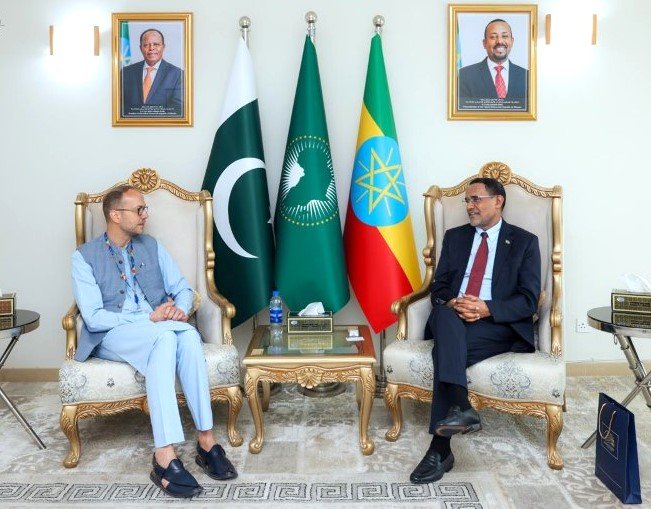
Turkish Foreign Minister Hakan Fidan has been “working the phones,” holding simultaneous calls with his counterparts in Pakistan (Ishaq Dar), Afghanistan (Amir Khan Muttaqi), Qatar, and Saudi Arabia. Turkey’s strategy is to create a regional “security ring” that brings the Afghan Taliban back to the negotiating table.
Given the gravity of these escalations, the implications of Turkey’s intervention suggest a critical shift from regional containment to crisis-level diplomacy. Turkey is likely leveraging its unique status as the only mediator with both NATO credentials and high-level access to the Taliban leadership. By attempting to revive the 2025 ceasefire, Ankara is racing to bring peace in the region and build humanitarian stability before any further catastrophic events unfold.
How Major International Actors are Responding?
The global community is terrified of a hot war involving a nuclear-armed Pakistan, but its levers are weakening.
As the primary regional stakeholder, Beijing is critically positioned to manage the direct consequences of this escalation. Given the billions committed to the China-Pakistan Economic Corridor, persistent instability in Khyber Pakhtunkhwa or Balochistan presents a fundamental threat to the Belt and Road Initiative. Consequently, Beijing has urged both sides to “end the fighting as soon as possible” and “achieve a ceasefire” to prevent further bloodshed.
The United Nations Assistance Mission in Afghanistan (UNAMA) has issued an urgent call for an immediate cessation of hostilities, citing a “grave escalation” in the humanitarian crisis. The Mission has formally called on both parties to uphold their obligations under international humanitarian law, particularly the protection of civilian infrastructure currently caught in the kinetic crossfire.
Washington has adopted a dual-track policy, acknowledging Pakistan’s “inherent right to defend itself” while simultaneously urging restraint to avoid a regional blowout. On February 27, U.S. Under Secretary of State Allison Hooker reaffirmed support for Islamabad’s counterterrorism imperatives against the TTP, which the U.S. continues to designate as a global terrorist organization. It is also important to note here that the USA also designated BLA as a terrorist group. Washington’s support for Pakistan against the Taliban is strategically logical, but it comes at a cost.
By openly backing Pakistani military operations, the U.S. surrenders any credibility as a neutral mediator, narrowing the diplomatic space needed to end the conflict. More fundamentally, a Pakistan simultaneously fighting Afghanistan, battling the TTP and BLA, and inflamed by the Iran war, is a destabilized partner, and a destabilized nuclear-armed partner is a strategic liability, not an asset, for American interests in an already combustible region.
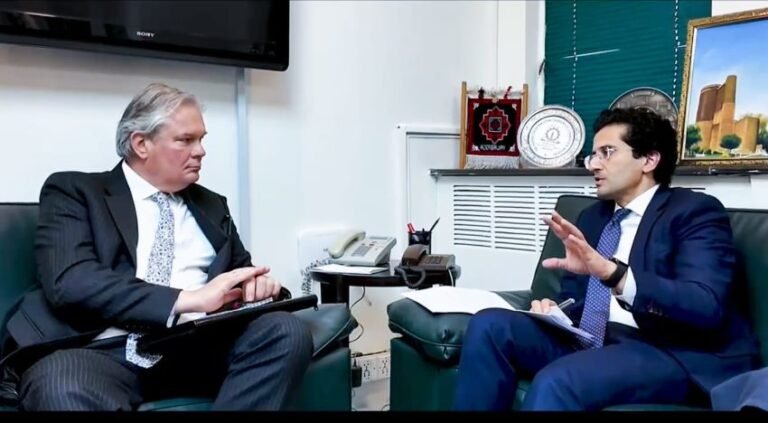
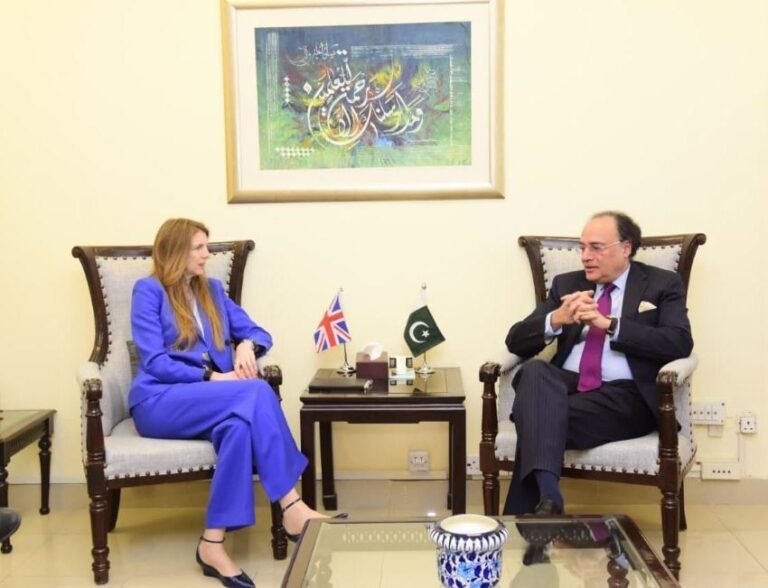
The European Union and the United Kingdom have issued synchronized statements focused on the preservation of regional stability. EU High Representative Kaja Kallas and UK Foreign Secretary Yvette Cooper have expressed “deep concern” over the strikes on major Afghan urban centers, calling for an immediate return to the negotiating table.
What’s Next
The most likely outcome is that the conflict will soon de-escalate. Previous periods of escalation have been limited to standoff strikes and border skirmishes. The 2025 conflict began with a Pakistani strike in Kabul but took place mostly along the border and ended with a ceasefire. The diplomatic machinery is already partially engaged: Qatar’s foreign minister discussed ways to reduce tension with Pakistan’s Foreign Minister, and Saudi Arabia’s Prince Faisal bin Farhan discussed regional tensions in a phone call with Islamabad. Turkey and Russia offered to mediate while urging both nations to halt cross-border attacks. Despite the Taliban signaling an openness to negotiations, Pakistan has rejected dialogue outright, insisting that its sole demand is an end to Afghanistan-based terrorism.
Pakistan’s air campaign against Afghanistan, already 46 strikes deep, including Bagram Airfield, may be tactically sustainable, but it is strategically precarious. The bombing is designed to coerce the Taliban into restraining the TTP without triggering a full ground war, but a campaign that fails to eliminate the TTP will only erode Pakistani deterrence while fueling Afghan nationalism and militant recruitment. The Taliban has already threatened to strike Pakistan’s major cities in retaliation.
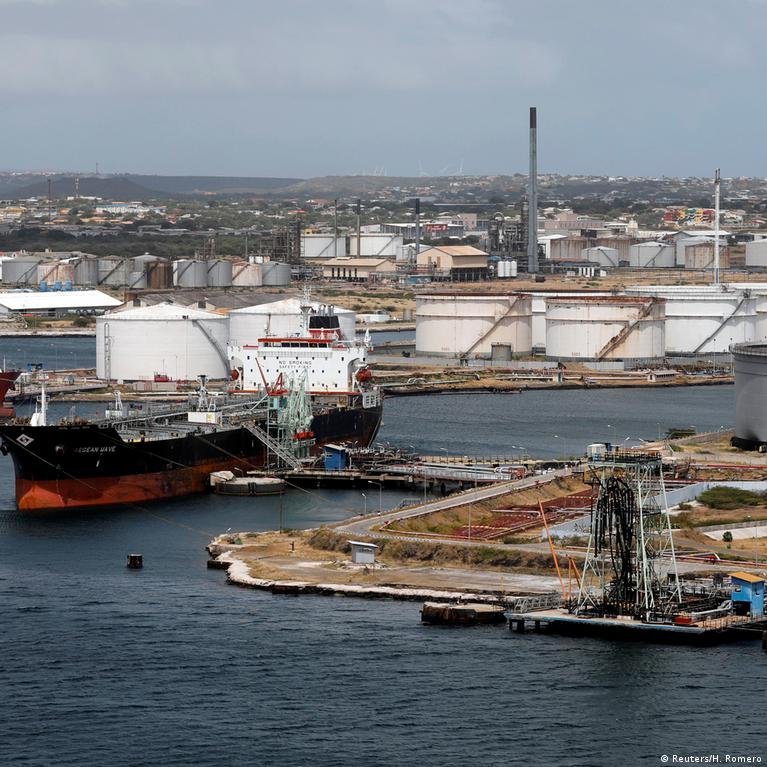
Iran’s war’s most dangerous contribution to the Afghanistan-Pakistan conflict is the risk of total regional metastasis. Iran borders both warring states, and its weakening grip, particularly on Sistan-Balochistan, threatens to embolden Baloch separatists and flood Pakistan with refugees, fueling the BLA insurgency it is already struggling to contain. Beyond the security spillover, the conflict has strangled regional economics: Central Asia-Chabahar trade routes are paralyzed, and the long-promised Iran-Pakistan gas pipeline is effectively dead.
The Taliban, freed from diplomatic constraints, can weaponize the Helmand River against Iran’s already stressed eastern agriculture. Most gravely, Pakistan now faces a genuine multi-front crisis: Taliban strikes on the border, TTP attacks internally, BLA operations in Balochistan, ISIS-K lurking, and a hostile India to the east, making it one of the most acute strategic risks in the world today. Layered on top of all this is a sectarian tinderbox: Pakistan’s Shia population, already inflamed by Khamenei’s death, places the government in an untenable position, militarily aligned with Washington while its streets rage in sympathy with Tehran.
The Afghanistan-Pakistan conflict has not remained only a bilateral dispute, with seeds falling across the spectrum. The most probable near-term outcome is a frozen conflict of periodic airstrikes and failed ceasefires, with no party strong enough to win and no mediator powerful enough to stop it. Yet Pakistan’s strategic logic points toward one alternative: Operation Ghazab lil-Haq must be prosecuted with overwhelming, decisive force, not a prolonged counterinsurgency.
With the Taliban systematically refusing to dismantle TTP infrastructure and Iran’s western front collapsing under Operation Epic Fury, Islamabad cannot afford a bleeding northern quagmire. A swift, high-intensity campaign that destroys TTP sanctuaries outright would establish credible deterrence, deny the TTP its guerrilla depth, and critically free Pakistani military resources to confront the BLA insurgency in Balochistan and secure CPEC routes before hostile forces encircle them.

Established in December 2008, The Diplomatic Insight is Pakistan’s premier diplomacy and foreign affairs magazine, available in both digital and print formats.