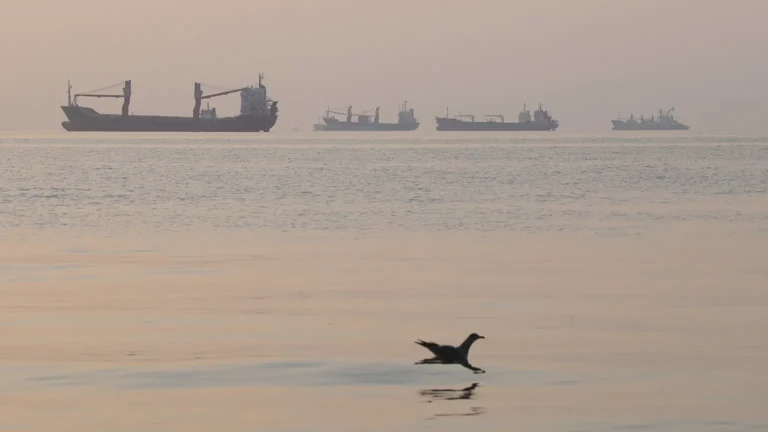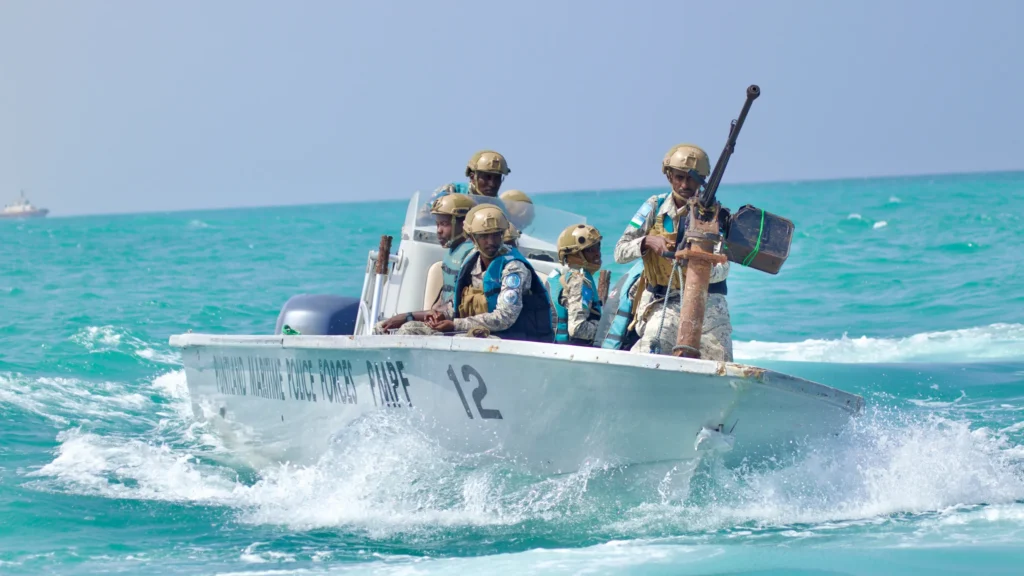
Somalia called for coordinated international action against a renewed wave of piracy off Puntland and into the Gulf of Aden, saying it will raise the issue at the United Nations Security Council as dozens of seafarers remain held captive.
On Sunday, Somalia’s foreign ministry said attacks and seizures had targeted commercial vessels since April and called for the “immediate and unconditional release” of all seafarers still being held, declaring that Somalia will not permit its waters to become a haven for maritime crime.
The ministry said Somali forces were pursuing pirate networks at sea and on land, pointing to the August 29 release of the hijacked cargo vessel MV Lutuf as evidence of progress, though it stressed further operations would follow.
The appeal follows a sharp escalation this year. The International Maritime Organization said on August 24 that pirates were holding more than 90 seafarers aboard six vessels after the hijacking of the tanker Seamull.
Piracy off Somalia had fallen sharply more than a decade ago following international naval deployments, prosecutions and armed guards aboard commercial ships, and pirate activity only began rising again in late 2023.
Read More: Somalia, Ethiopia, Djibouti Hold Talks on the Middle East Crisis and Fallout
But this year’s wave marks a far more serious resurgence, with hijackings including the tankers Honour 25, Eureka and Asana, and the cargo ship Sward.
The Lutuf’s release has also stirred controversy. Somalia’s defense ministry credited a Turkish-Somali naval operation, but Puntland authorities disputed that account, alleging a ransom secured the ship’s freedom instead; a dispute underscoring ongoing friction between Mogadishu and Puntland over control of maritime security operations.
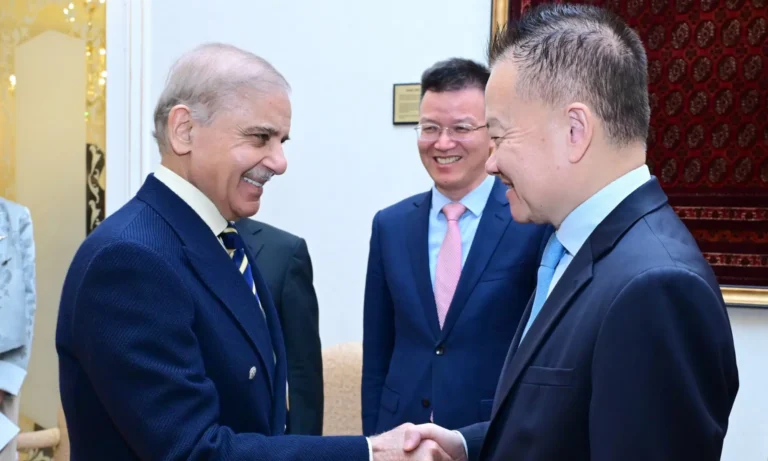
Among those still waiting for news are the families of 10 Pakistani sailors held since April aboard the tanker MT Honour 25, seized off Puntland.
On Saturday, relatives protested in Karachi, warning they could launch a hunger strike if the government fails to secure the crew’s release. Ambreen Yousuf, whose husband Syed Hussain Yousuf serves as the ship’s second engineer, said four and a half months was a long time and appealed to the government to safely bring the ten Pakistanis home.
Another relative, Mahwish Yasir, said families had gone six weeks without any communication with the captive sailors, leaving them uncertain about their health and living conditions.
Read More: Somalia and Pakistan Sign Defense Cooperation Memorandum of Understanding
Pakistan’s government says it has pressed the International Maritime Organization and Somali authorities for help, but officials have said a rescue operation is complicated because the tanker carries hazardous cargo. Families say they have received little concrete information in return.
Somalia says it intends to use its current UN Security Council seat to press for cooperation under the Djibouti Code of Conduct and its Jeddah Amendment, a regional framework for combating maritime crime.
Mogadishu insists any international support must run through federal government channels coordinated with member states, even as the dispute over the Lutuf’s release exposes how contested that command structure remains, with dozens of seafarers, including the Pakistani crew, still waiting to go home.