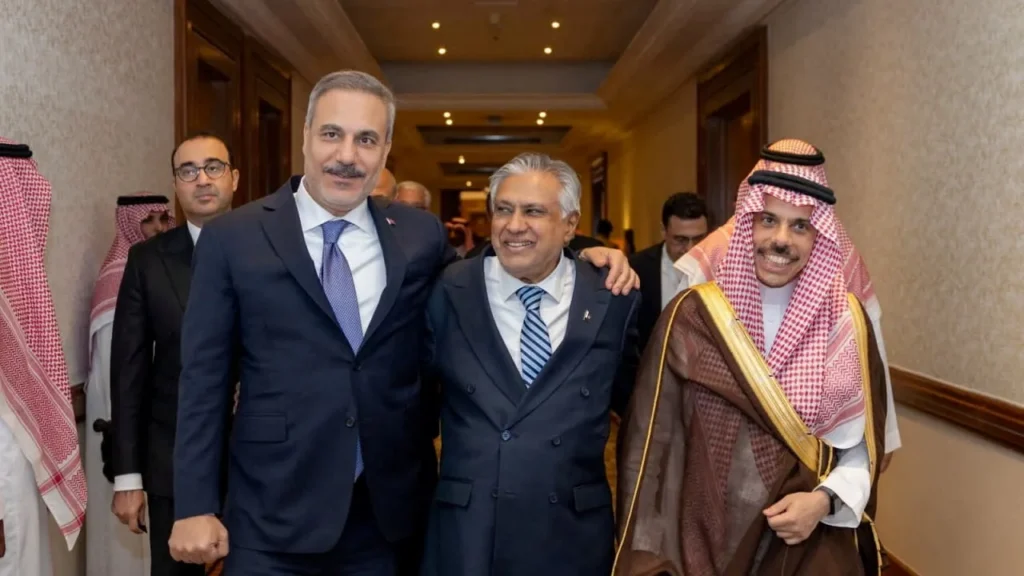
Senior security officials from the Makkah Pact countries – of Saudi Arabia, Turkiye and Pakistan – are due to hold talks in Tehran on Monday with the Iranian National Security Council, in a high-stakes first joint meeting to coordinate on regional security.
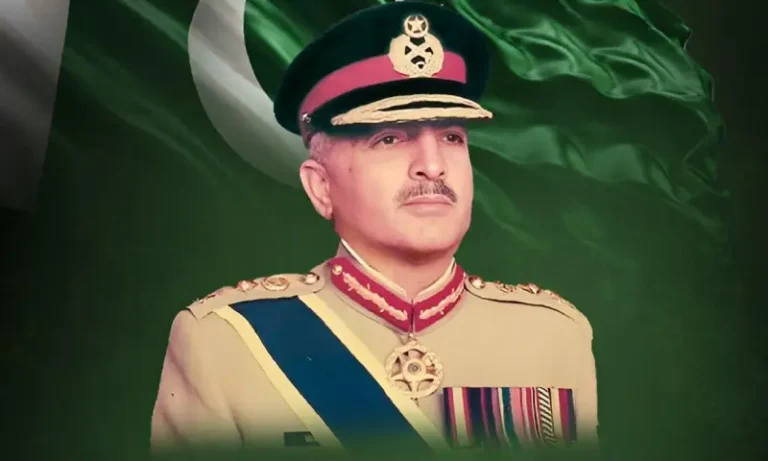
Saudi Arabia is sending Defense Minister Prince Khalid bin Salman while Pakistan will be represented by its army chief, Field Marshal Asim Munir. From Turkiye, the intelligence chief would be part of the talks.
Iranian state television quoted Ali Bagheri Kani, deputy secretary of the Supreme National Security Council, as saying the Turkish official is Ibrahim Kalin and that the visitors would consult the council on regional security. A Saudi Foreign Ministry official told Al Arabiya the delegation’s purpose is to help ease regional tensions.
The meeting is the first high-level contact between Iran and all three pact members since Saudi Arabia came under escalating attacks from Yemen’s Houthis. Since the signing of the Pact, Iran has repeatedly shown interest in joining the alliance.
Read More: Saudi-Led Coalition Intercepts Two Houthi Ballistic Missiles Launched Toward Yanbu and Taif
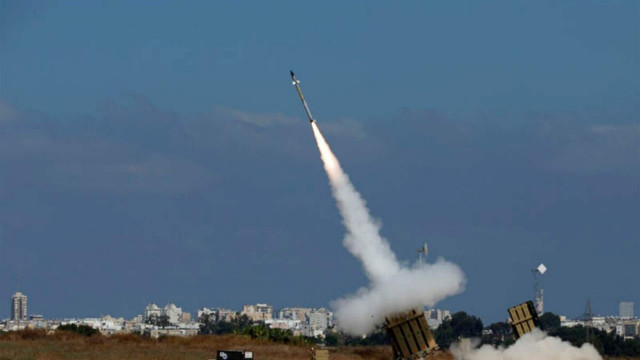
Saudi forces intercepted another wave of missiles and drones on Sunday, and fighting with the group has continued without any pause. The attacks have become an increasingly destabilizing factor in the United States-Israeli offensive against Iran, putting Washington’s Gulf ally under pressure.
Pakistan’s role is central as CDF Munir visited Tehran last week and met President Masoud Pezeshkian, and other Pakistani officials have stayed in constant touch with the Iranian side.
Iranian media reported that officials told him there would be no talks with Washington until Tehran’s demands were met. Islamabad has been a key intermediary between the United States and Iran, and its efforts helped produce an interim peace agreement in June. That deal quickly unraveled when fighting resumed weeks later.
Read More: Beyond Defense: Saudi Arabia’s New Security Partnerships and Yemen Test
The Makkah Joint Defense Agreement, signed in August, holds that an armed attack on one member counts as an attack on all. According to a text seen by Reuters, its first article commits the parties to use “all necessary means” against threats to one another’s territorial integrity, sovereignty or recognized borders.
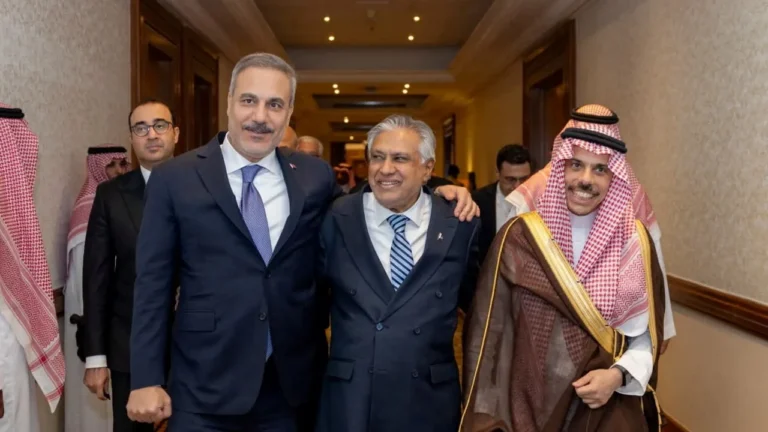
Pakistan approved the pact last week, and Turkiye’s parliament is still working through ratification. Ministers from all three countries held an emergency meeting in Riyadh earlier this month and agreed to ensure the rapid deployment of forces and capabilities in Saudi Arabia.
The Pact members have not yet officially spoken to media about the agenda of holding joint talks with Tehran. Is this about mulling Iran’s leverage on the Houthis or a first towards integrating Tehran into the folds of the alliance remains to be seen.