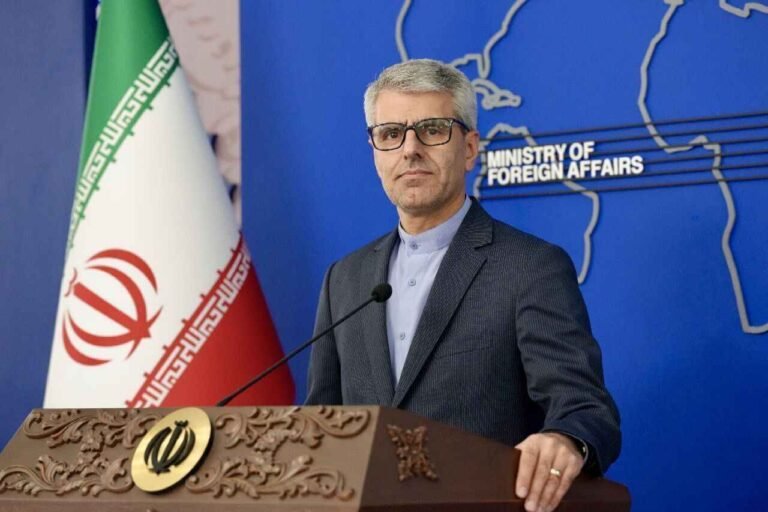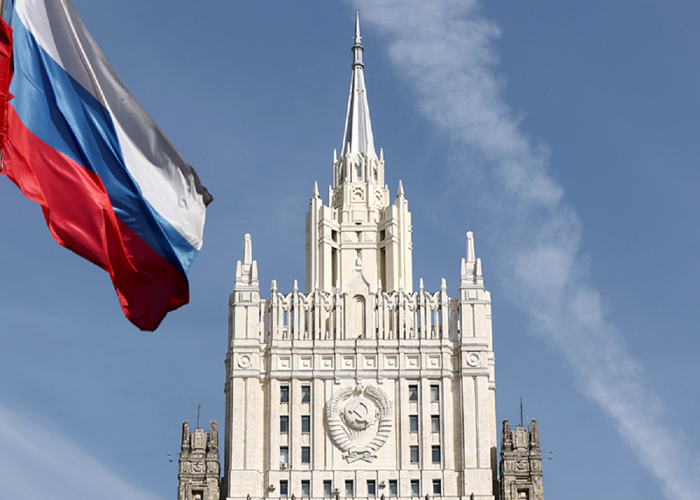
Moscow (TDI): The Ministry of Foreign Affairs of Russia issued a statement marking 12 years since the February 2014 upheaval in Ukraine, describing it as a “Western-backed unconstitutional coup” that reshaped the country and destabilized European security.
According to the statement, the protests that culminated in the ousting of then-President Viktor Yanukovych triggered “an armed civil conflict” and what Moscow calls “the deepest crisis in European security since World War II.”
The Russian Foreign Ministry accused Ukraine’s current authorities and their Western backers of attempting to “distort the truth” about the events of February 2014.
Moscow pointed in particular to the deadly shootings on February 20, 2014, on Kyiv’s Institutskaya Street, where unidentified snipers opened fire on both protesters and law enforcement officers during the height of the Euromaidan demonstrations.
The ministry reiterated longstanding claims that no evidence has been produced linking Yanukovych to the shootings, while alleging that opposition forces benefited politically from the violence.
Read More: Russian Envoy Highlights Expanding Moscow–Islamabad Relations
On February 21, 2014, Yanukovych signed an agreement with opposition leaders, including Vitali Klitschko, Arseniy Yatsenyuk, and Oleh Tyahnybok, aimed at resolving the crisis.
The deal, which envisioned constitutional reform and early presidential elections, was backed by the foreign ministers of Germany, France and Poland. Moscow claims none of its provisions were implemented.
The following day, Ukraine’s parliament, the Verkhovna Rada, voted that Yanukovych had withdrawn from performing his presidential duties.
The Russian Foreign Ministry characterized the move as an unconstitutional “usurpation of power,” asserting that Yanukovych had neither resigned nor left the country at the time.
The statement also criticized the new authorities’ early legislative steps, particularly efforts to repeal a law granting regional status to the Russian language.
Moscow argued that this decision deepened divisions, especially in Ukraine’s south and east, contributing to unrest and the formation of local militias.
The ministry further accused Western governments of encouraging what it described as an anti-Russian agenda in Kyiv and of ignoring alleged legal violations during the transfer of power.
It claimed that the events of 2014 led to increased nationalism, political repression, and socio-economic decline in Ukraine.