Diplomatic communication is an essential component of international relations. It encompasses a wide range of skills, including negotiation, persuasion, and relationship-building. At the core of all these abilities, however, lies a more fundamental competence: the ability to listen and understand.
Listening is a critical skill in all forms of effective communication, and diplomacy is no exception. Diplomats must be able to listen actively to the views and perspectives of others, including those they may disagree with or find challenging.
True listening goes beyond preparing a response or asserting one’s own position. It requires a genuine effort to hear and comprehend the other party. Active listening involves paying close attention not only to what is being said, but also how it is said and within what context. It includes asking clarifying questions and summarizing key points to ensure mutual understanding.
Through attentive listening, diplomats demonstrate respect, build trust, and gain valuable insight into the interests, values, and concerns of their counterparts.
Understanding Context and Perspective
Understanding is equally vital to diplomatic communication. Diplomats must develop a deep awareness of the cultural, historical, and political context of the countries in which they operate, as well as a clear grasp of the objectives and priorities of their counterparts. This requires empathy and a willingness to view issues from perspectives different from one’s own.
By understanding the underlying interests and motivations of others, diplomats are better positioned to identify areas of common ground and to develop solutions that are mutually beneficial.
Read More: How the Concept of Precedence Came About in Diplomatic Practice
This task is not always easy. Diplomats do not represent personal interests, but rather those of their country or nation. As a result, they often arrive with pre-prepared positions, responses, and solutions.
Yet, allowing space for deeper understanding beyond established beliefs and predetermined frameworks can significantly enhance the effectiveness of communication and positively influence outcomes.
Common Challenges in Diplomatic Communication
One of the major challenges in diplomatic communication is the overuse of technical language. Diplomats must avoid assuming that all parties share the same level of familiarity with specialized terms or acronyms. Otherwise, this can lead to misunderstandings and an ineffective communication process. Clear, precise, and accessible language is essential to ensure that messages are understood by all involved.
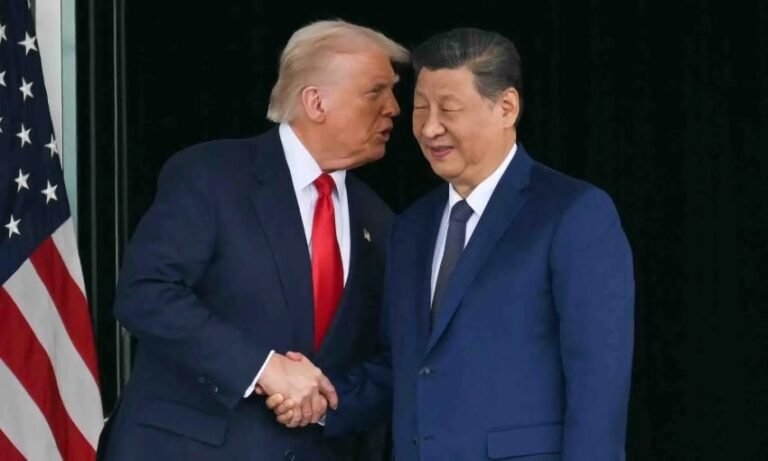
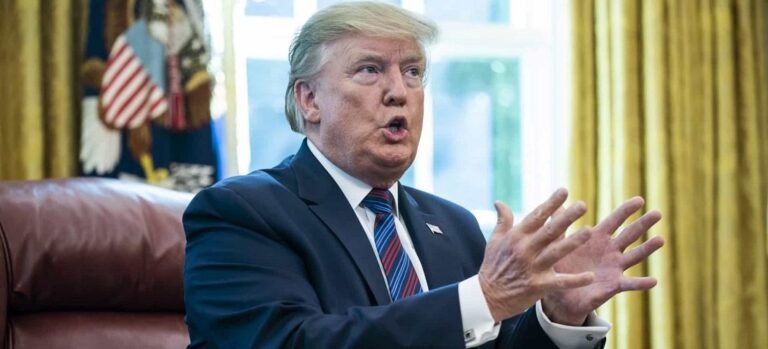
Another significant challenge involves nonverbal communication. Body language, tone of voice, facial expressions, gestures, and even body adornments can strongly influence how messages are perceived. Diplomats must pay close attention to their nonverbal cues and be aware of how these signals may be interpreted.
By doing so, they can better control the messages they convey and accurately read others’ behavior even before words are spoken. Correct use of body language helps avoid behaviors that could be seen as dismissive or confrontational, while promoting openness and trustworthiness.
To navigate these challenges effectively, diplomats must commit to continuous learning and self-improvement. This includes investing time in understanding local cultures, etiquette, history, and political landscapes, as well as building meaningful relationships with local leaders and stakeholders.
Ultimately, successful diplomatic communication is not only about speaking persuasively, but about listening deeply, understanding fully, and engaging respectfully. These skills form the foundation upon which trust is built and sustainable international relationships are formed.

Catalina Bora
Catalina Bora is the founder of the Institute of Etiquette and Protocol. She can be reached at catalinabora@gmail.com