We live in a turbulent and rapidly shifting world, where global crises, technological disruption, and constant connectivity reshape how nations interact. In this environment, many argue that traditional diplomacy is fading: that face‑to‑face negotiations will be replaced by digital channels, that the role of diplomats is shrinking as heads of state /governments communicate directly and publicly, and that artificial intelligence and automation will eventually make protocol — and the professionals who uphold it — obsolete.
These assumptions overlook a fundamental truth. The more complex and interconnected the world becomes, the more essential human‑centered diplomacy and the structured guidance of protocol are.
This article challenges the notion that protocol is a disappearing craft. Instead, it highlights the pillars that will secure its future: quality education, academic recognition, a unified global community, and platforms that give voice and visibility to the profession. Initiatives such as World Protocol Matters Conferences, 11 May as World Protocol Day, and the upcoming 2026 WPM Conference demonstrate that protocol is not only relevant but indispensable.
In a world where technology accelerates communication but cannot replace human judgment, cultural intelligence, or the symbolic language of diplomacy, protocol professionals remain vital. Their work cannot be automated, because it is rooted in understanding people — their values, their expectations, and the delicate nuances that shape international relations.
THE PRESENT
Protocol as a Diplomacy Facilitator
In contemporary diplomacy, protocol functions as a facilitator of dialogue. It is not merely ceremonial; it is a practical instrument that reduces friction and prevents misunderstandings. By establishing clear rules and expectations, protocol creates a predictable environment in which political actors can focus on substantive issues rather than logistical concerns.
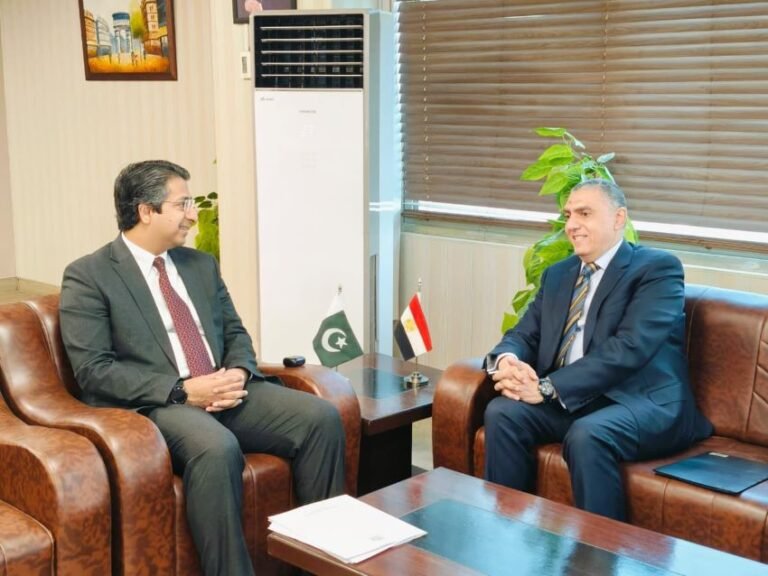
Whether coordinating high‑level summits, arranging bilateral visits, or managing ceremonial events, protocol professionals ensure that every detail — from seating arrangements to symbolic gestures — supports the broader diplomatic objectives. In this way, protocol acts as the silent architecture of diplomacy, enabling communication to flow smoothly and respectfully.
Protocol Professionals: Silent Ambassadors Behind the Scenes
Behind every successful diplomatic encounter stands a team of protocol professionals whose work often goes unnoticed by the public. These experts combine cultural intelligence, organizational precision, and crisis‑management skills to ensure that events unfold seamlessly. They anticipate challenges, resolve issues discreetly, and uphold the image and values of their institution. Their role requires a deep understanding of international customs, political sensitivities, and human dynamics.
As “silent ambassadors,” they represent their country, organization or event not through speeches or handshakes but through professionalism, discretion, and the ability to create an atmosphere of trust and respect. Their contributions, though subtle, are indispensable to the effectiveness of modern diplomacy. To help understand how protocol works behind the different scenes, the first poem ever written in this subject was publicly shared in 2024 with a unique music theme created specifically for this project – hence the Ode to Protocol was born.
Read More: The Language of Attire: Dress Codes in Diplomatic Protocol
THE FUTURE
Quality Protocol Education to Train Future Generations
As global interactions evolve, so too must the training of protocol professionals. Quality education is essential to prepare future experts for the demands of the field. Modern protocol training must blend theoretical knowledge — such as international law, diplomatic history, and intercultural communication — with practical competencies like event management, negotiation, and digital communication.
The rise of virtual diplomacy and hybrid events requires new skills and adaptability. Institutions that invest in comprehensive, structured protocol education help ensure that the next generation is equipped to navigate both traditional expectations and emerging challenges.
Continuous professional development will remain crucial as the discipline expands into new domains. Hence the foundation of World Protocol School offering not only trainings but unprecedented university degree programs in Protocol. Also, a global research project has recently kickstarted to present the status quo of the current protocol education worldwide: what each and every of the 193 UN nations has to offer in protocol education.
Protocol as an Independent Discipline for Academic Future
Despite its importance, protocol is still often treated as an auxiliary function rather than a distinct academic discipline. Recognizing it as an independent field would allow for deeper research, standardized methodologies, and a more coherent body of knowledge. Universities could develop dedicated programs, encourage scholarly inquiry, and explore new areas such as digital protocol, global etiquette, and the psychology of ceremonial communication.
Establishing protocol as a standalone discipline would elevate its professional status and strengthen the theoretical foundations that support its practice worldwide. Though the first Protocol Ph.D. degree was born in 2023 (based on a thorough doctoral dissertation analyzing and comparing the role and tools in Sport Protocol and Diplomatic Protocol) there is much to do in this field: the industry needs more academic researches and scientific publications in order to reach an independent discipline status.
World Protocol Magazine – launched in 2021 – serves as an pro bono online platform and global education source for those who wish to read & publish academic findings, event projects or relevant professionals experiences – free of charge. The goal is to reach academic validation as the first scientifically recognized, accredited publication.
“World Protocol Matters” as Global Community Builder
Initiatives such as “World Protocol Matters Conferences” play a vital role in shaping the future of the profession. By connecting protocol associations, practitioners across continents and sectors, this global community fosters collaboration, knowledge exchange, and professional solidarity. It provides a platform for sharing best practices, discussing emerging trends, and highlighting the strategic value of protocol in government, corporate, and international settings.
Through its inclusive and forward‑looking approach, since 2022, World Protocol Matters has been helping build a unified global identity for the profession and encourages innovation within the field collaborating with like-minded nonprofit entities, such as the World Protocol Organizations (Organización Mundial de Protocolo, founded in 2020, International Centre for Protocol and Diplomacy (ICPD London) and the Organization of International Protocol Professionals (NPRSZ), founded in 2017.)
Read More: Women in Diplomacy: From Catherine of Aragon to the 21st Century
“11 May World Protocol Day”: Mission of Recognition
The establishment of “11 May as World Protocol Day” in 2021 marks a significant step toward acknowledging the contributions of protocol professionals worldwide. Its mission is to celebrate their work, raise awareness of the discipline, and promote its value to institutions and the public.
By dedicating a day to this profession, the global community recognizes the expertise, dedication, and behind‑the‑scenes efforts that make diplomatic and institutional interactions possible. World Protocol Day also serves as a platform to advocate for stronger professional standards, better education, and broader recognition of protocol as a strategic component of international relations.
World Protocol Matters Conference 2026
Looking ahead, the upcoming 5th Annual World Protocol Matters Conference 2026 stands as a milestone for the global protocol community. As the largest international gathering dedicated to the discipline, it will bring together practitioners, scholars, government officials, corporate leaders, and students from around the world. The 11-13 May conference aims to explore emerging trends — from digital diplomacy to hybrid event management — and to strengthen the professional identity of protocol experts.
Beyond its educational purpose, the event symbolizes the growing recognition of protocol as a modern, strategic field. By fostering collaboration and celebrating achievements, the conference will help shape the next chapter of the profession. The theme of this years WPM Conference is “The Future of Protocol and Diplomacy.”
Protocol stands at a unique crossroads: firmly rooted in centuries‑old diplomatic tradition, yet increasingly shaped by the demands of a rapidly changing world. Its practitioners continue to serve as the quiet architects of international understanding, ensuring that dialogue, ceremony, and cooperation unfold with dignity and precision.
At the same time, the future of the profession depends on strengthening its academic foundations, expanding high‑quality education, and building global networks that support innovation and shared standards.
Initiatives such as World Protocol Matters Conferences, World Protocol School, 11 May as World Protocol Day, and the upcoming WPM Conference 2026 demonstrate a growing recognition of protocol’s strategic value and the dedication of those who practice it.
As the global community becomes more interconnected, the role of protocol will only grow in importance. By investing in its development today, we ensure that the next generation of professionals is prepared to uphold and advance this essential discipline, shaping a future where respect, clarity, and cooperation remain at the heart of peaceful international relations.
*The views presented in this article are the author’s own and do not necessarily reflect the views of The Diplomatic Insight.

Dr. Nikoletta Hossó
Dr. Nikoletta Hossó Ph.D. is the owner & CEO of World Protocol Center Ltd. and is also the Founding Director of World Protocol School. She can be reached at worldprotocolcenter@gmail.com