Islamabad (TDI): As Iranian retaliatory missile and drone attacks targeted US assets and allied countries across the Gulf, Pakistan on Sunday urged restraint, de-escalation and dialogue, reaching out diplomatically to regional leaders to help avert a wider conflict.
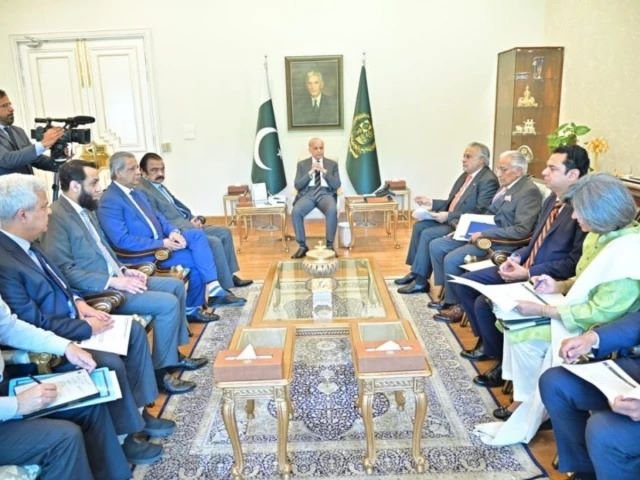
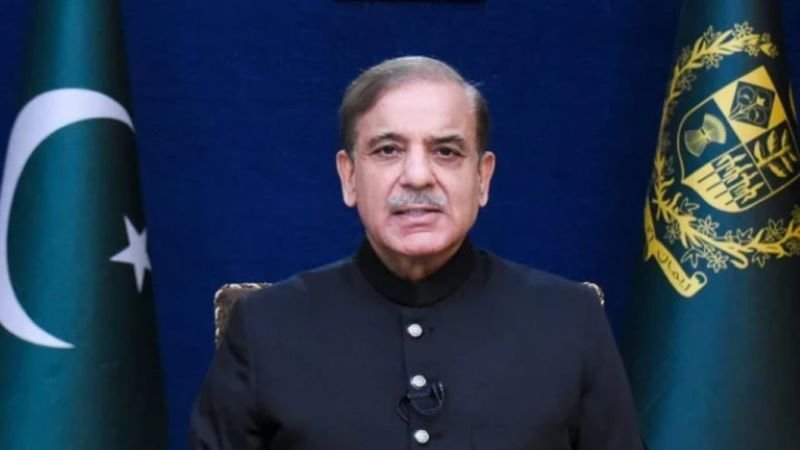
According to the PM Office, Prime Minister Shehbaz Sharif held telephone conversations with King Abdullah II of Jordan and King Hamad bin Isa Al Khalifa, expressing deep concern over the rapidly deteriorating security situation in the Middle East.
During his call with King Abdullah II, the prime minister discussed the serious regional developments following Israeli strikes on Iran and the subsequent escalation that spread to Jordan and other neighbouring states.
He emphasized the urgent need for restraint, de-escalation and dialogue to preserve regional peace and stability, reaffirming Pakistan’s solidarity with Jordan and other brotherly countries. Both leaders agreed to maintain close coordination as the situation continues to evolve.
In a separate statement posted on X, the prime minister said he had also spoken to Bahrain’s King Hamad bin Isa Al Khalifa, conveying Pakistan’s unwavering solidarity with the people of Bahrain.
Read More: Iran Rules Out Talks with US as Regional Tensions Escalate
“While praying for the safety and security of our brothers and sisters in Bahrain, I emphasized restraint, respect for international law, and the urgent need for dialogue and diplomacy to restore peace and stability in the region,” he said.
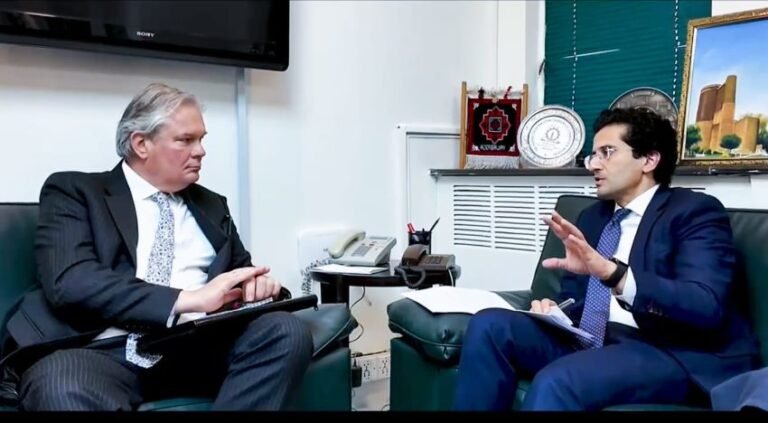
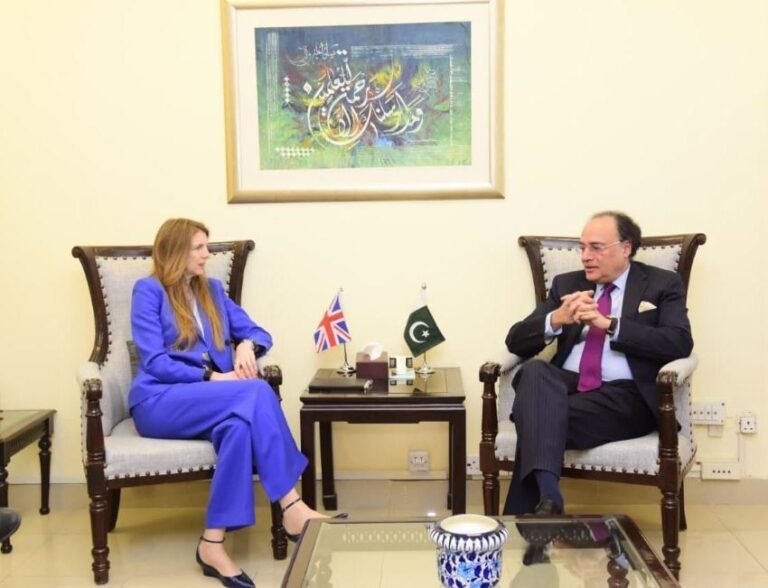
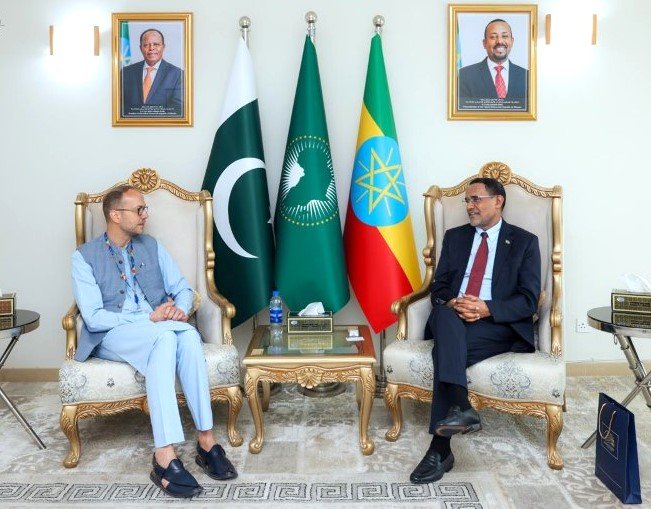
Foreign Minister Ishaq Dar also engaged with regional counterparts, holding calls with Sayyid Badr bin Hamad Al Busaidi and Iraqi Foreign Minister Fuad Hussein.
The discussions focused on the escalating conflict and the urgent need for sustained diplomatic efforts, de-escalation and dialogue to prevent further destabilisation of the region. The parties agreed to remain in close contact amid the unfolding crisis.
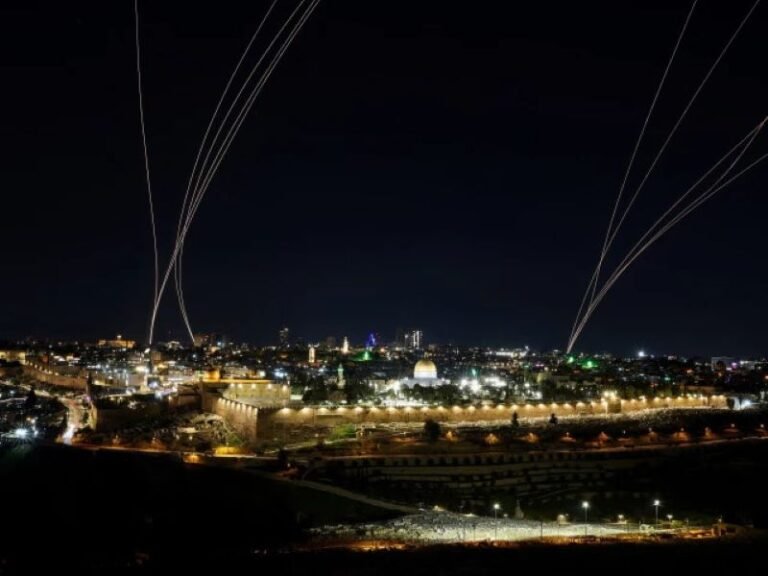
Iranian retaliatory strikes widened across the Gulf on Sunday, with explosions reported in Dubai and Doha, and Oman being hit for the first time. Gulf states hosting US military assets came under attack following Iran’s response to joint US-Israeli strikes that killed senior Iranian leaders, including the country’s supreme leader.
In the United Arab Emirates, authorities said three people were killed and 58 wounded since the Iranian strikes began. UAE officials also confirmed the death of a Pakistani national after missile debris struck Abu Dhabi. The victim’s identity has not yet been released. In Kuwait, the health ministry reported one death and 32 injuries linked to the strikes.
Debris from intercepted drones caused damage near diplomatic compounds in Abu Dhabi, including a complex housing the Israeli embassy, injuring a woman and her child, according to state media. In Dubai, two people were injured when shrapnel fell on residential properties.
Read More: What We Know So Far: Iran Launches Retaliatory Strikes After Khamenei Killed
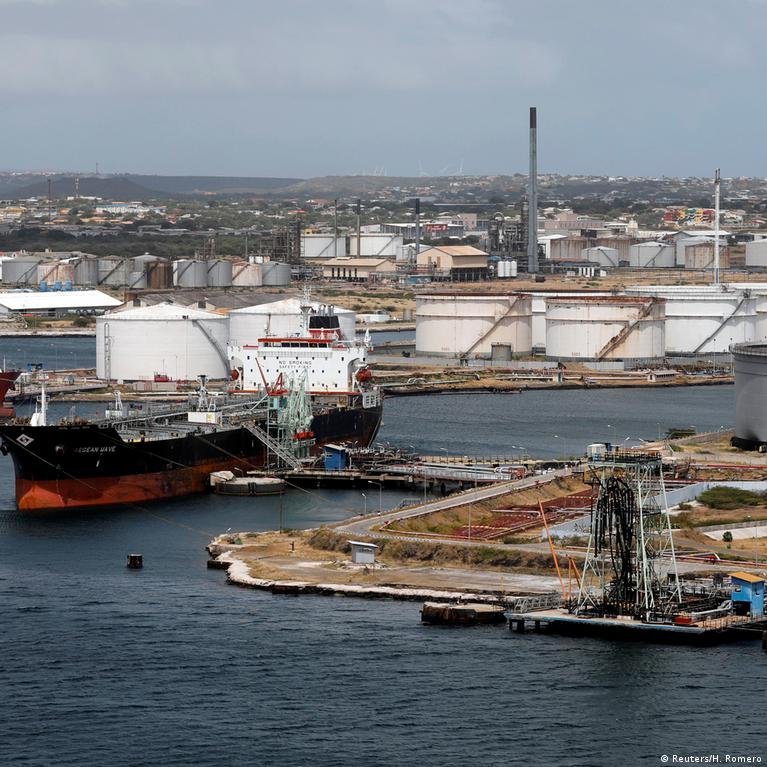
Key infrastructure also sustained damage. Dubai International Airport, the Burj Al Arab hotel, Palm Jumeirah, and Abu Dhabi International Airport were affected, while a fire broke out at a berth in Jebel Ali Port due to missile debris. State-owned logistics firm DP World temporarily suspended operations at the port.
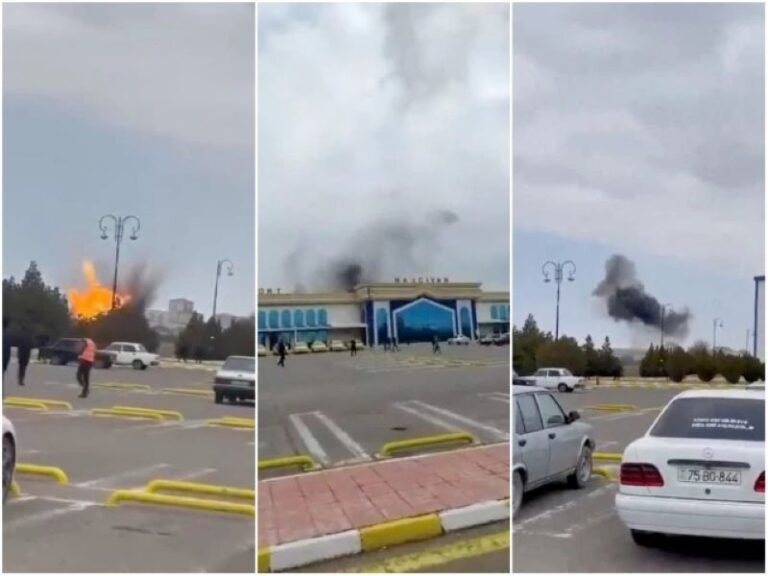
Smoke was also seen rising from Abu Dhabi’s Zayed Port area, while in Oman, two drones struck Duqm commercial port, wounding one worker, the state news agency reported. Qatar’s interior ministry said it was responding to a limited fire in an industrial zone after debris from an intercepted missile fell.