Islamabad (TDI): Pakistan has decided to reopen the Torkham and Chaman border crossings for UN humanitarian supplies, nearly seven weeks after the routes were shut down.
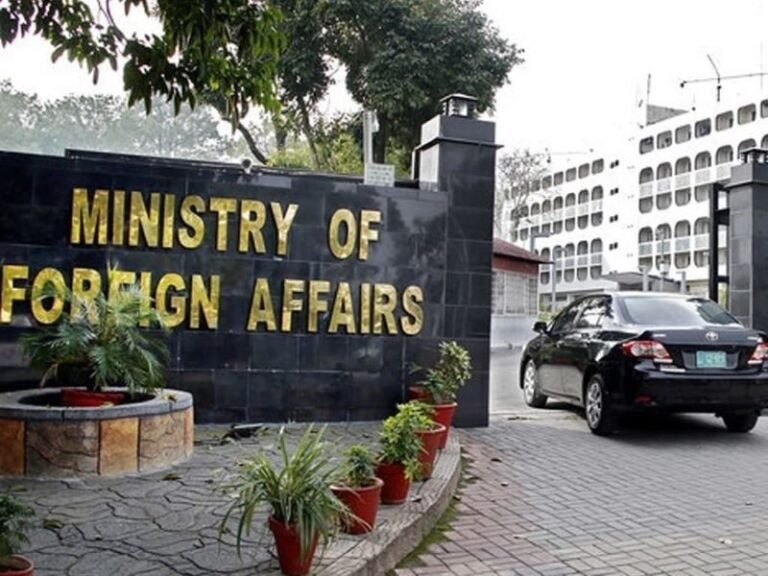
The decision was reached following consultations between the Ministry of Commerce and the Ministry of Foreign Affairs, The News reported.
The reopening comes at a time when Afghanistan has been experiencing a growing shortage of food, medicines, and other essential items due to the extended disruption of cross-border movement.
To put the plan into motion, the Commerce Ministry has issued a formal directive to the FBR’s Member Customs (Operations) in Islamabad and the Director General of Transit Trade in Karachi, instructing them to ensure all arrangements are in place for the smooth passage of UN cargoes.
As per the communication, Pakistan has approved a phased release of containers belonging to UNICEF, the World Food Programme (WFP), and the UN Population Fund (UNFPA).
Read More: Afghan Troops Open Fire, Facilitating Terrorist Entry into Pakistan: DG ISPR
In the first phase, trucks carrying food supplies will be allowed to cross. The second phase will include shipments of medicines and medical equipment. The final phase will cover other essential consignments, such as education kits for schoolchildren and teachers.
Both the Transit Trade authorities and FBR have been asked to speed up their clearance processes so that the humanitarian aid can move through Torkham and Chaman without unnecessary delays.
Pakistan had closed both border points on October 12, following a series of coordinated attacks launched by the Afghan Taliban and allied militants on Pakistani military positions along the frontier. The clashes, which began overnight between October 11 and 12, resulted in the deaths of more than 200 Taliban fighters and militants, while 23 Pakistani soldiers lost their lives.
In response, Pakistan carried out precision strikes targeting militant hideouts inside Afghanistan’s Kandahar province and in Kabul. A 48-hour temporary ceasefire was initially agreed to on October 15 at Afghanistan’s request and later extended as delegations from both sides traveled to Doha, Qatar, for negotiations.
Read More: Ceasefire with Afghan Taliban ‘Not Holding’ Amid Attacks: Pakistan
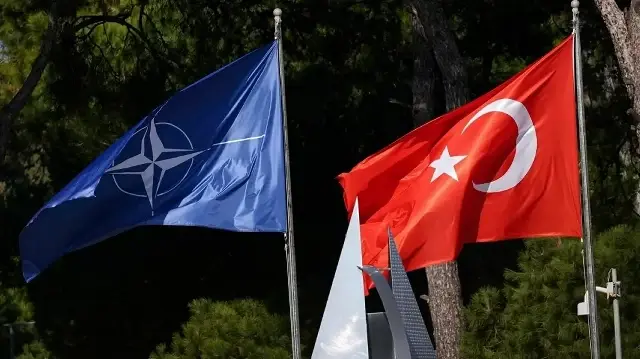
Mediation by Qatar and Türkiye eventually led to an official ceasefire agreement on October 19, under which Afghanistan assured that its territory would not be used for terrorism against Pakistan. Both countries also agreed to work on mechanisms aimed at long-term regional stability.
Subsequent talks in Türkiye briefly stalled when Pakistan rejected what it described as unreasonable demands from the Taliban delegation regarding cross-border militancy. However, after further diplomatic efforts by mediators, both sides returned to the table and agreed to continue honoring the ceasefire arrangement.