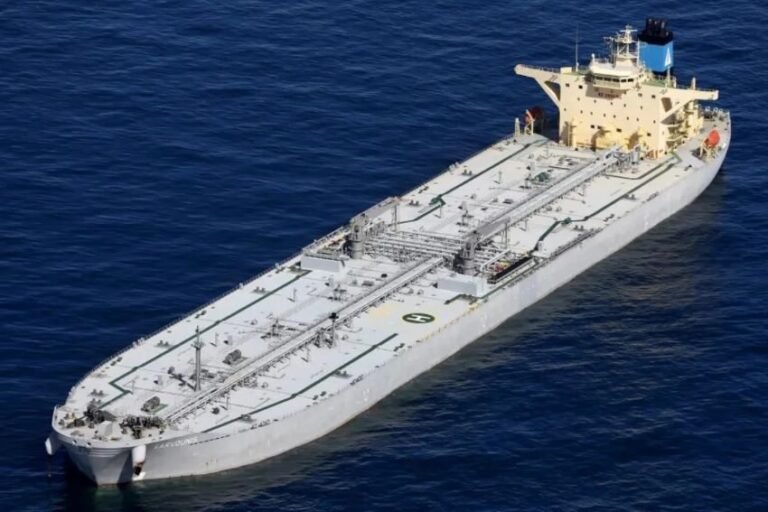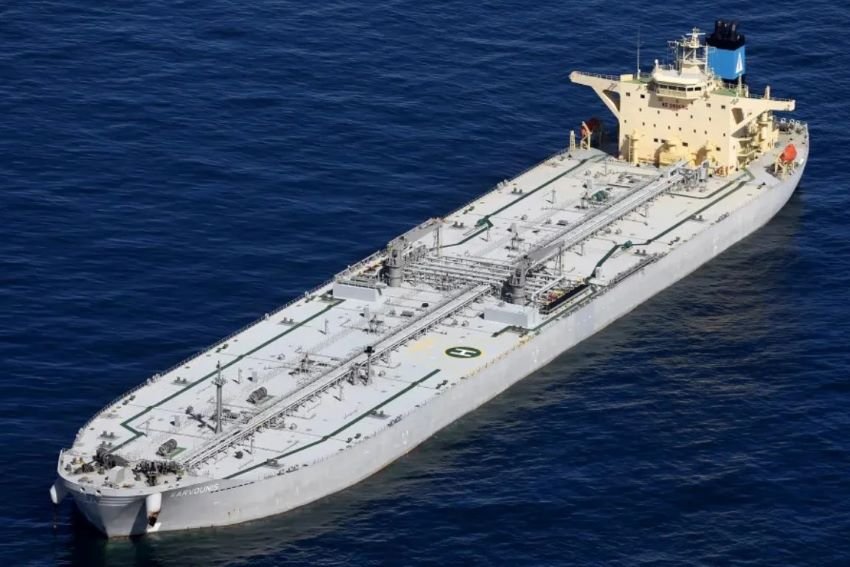
Karachi (TDI): Pakistan is set to receive three petrol cargoes today, Petroleum Minister Ali Pervaiz Malik said, as authorities monitor the impact of rising Middle East tensions on the country’s energy supplies.
The announcement came during a high-level meeting held at the Chief Minister House in Karachi to assess the evolving regional situation and its possible effects on Pakistan’s fuel availability and economy. The meeting was attended by Murad Ali Shah, Finance Minister Muhammad Aurangzeb, Sindh Home Minister Ziaul Hassan Lanjar, Chief Secretary Asif Hyder Shah and other senior officials.
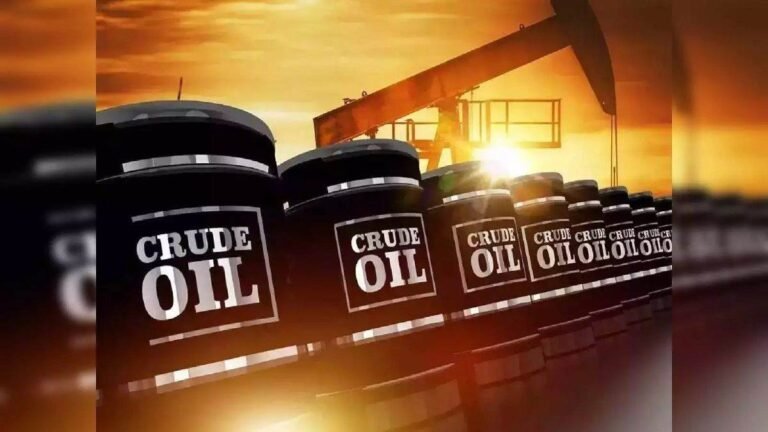
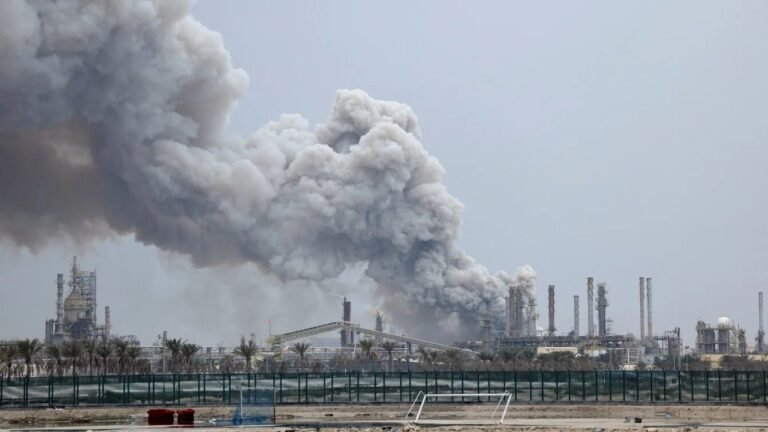
Participants were briefed on the surge in global oil prices following the ongoing conflict involving Iran, the United States and Israel. In response to rising international prices, the federal government has already increased petrol and diesel rates by Rs55 per litre.
Officials warned that if tensions escalate further in the Middle East, crude oil prices could rise to around $120 per barrel, significantly increasing Pakistan’s fuel import costs. The meeting also reviewed emergency energy conservation measures aimed at reducing fuel consumption while maintaining economic activity.
Speaking on the occasion, Murad Ali Shah stressed the importance of responsible energy use and public cooperation, noting that the government’s priority was to ensure the continuity of economic activity while managing fuel supplies carefully.
Read More: Pakistan Seeks $5bn Oil Facility, Deposit Rollover from Saudi Arabia
Finance Minister Muhammad Aurangzeb said the federal government was closely monitoring international energy markets and preparing contingency plans to manage the financial impact of higher oil prices. He warned that if crude prices surge further, Pakistan’s monthly oil import bill could increase by as much as $600 million, putting additional pressure on the country’s external account.
Ali Pervaiz Malik highlighted the importance of fuel conservation to ensure existing reserves last longer and remain available for essential sectors. Officials also noted that Qatar had issued a force majeure declaration that could affect LNG shipments, raising additional concerns about Pakistan’s energy outlook.
The meeting was informed that Islamabad had stepped up diplomatic engagement with Saudi Arabia, Oman and the United Arab Emirates to explore alternative supply routes outside the strategically vital Strait of Hormuz.
Read More: Oil Surges 25%, Gold Slides as Iran War Rocks Global Markets
Participants also agreed to strengthen coordination between federal and provincial authorities to prevent hoarding and ensure smooth fuel distribution across the country. The government delegation said Pakistan would also seek relief in the petroleum levy during upcoming discussions with the International Monetary Fund in an effort to ease the financial burden on consumers.
Officials concluded the meeting by agreeing to maintain close coordination to manage the evolving energy situation and safeguard Pakistan’s economic stability.