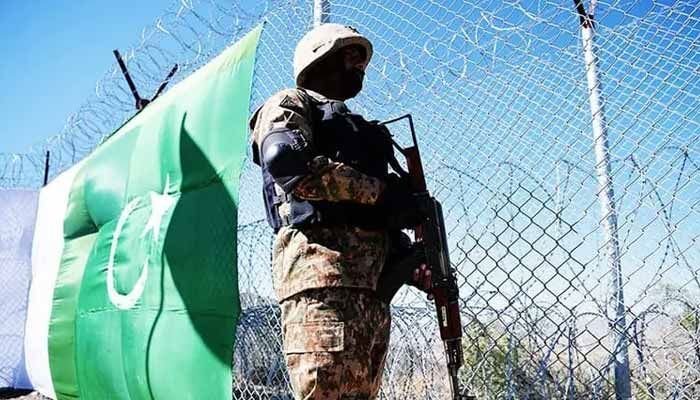
Islamabad (TDI): Pakistan has seen a notable decline in cross-border terrorist attacks and violence-related fatalities following the closure of its border with Afghanistan on October 11, according to the latest data from the Centre for Research and Security Studies (CRSS).
Terrorist attacks fell by nearly 17 percent in December, following a 9 percent drop in November. Similarly, fatalities among civilians and security personnel linked to terrorist violence decreased in the last quarter of 2025, with November and December recording declines of roughly 4 percent and 19 percent respectively.
Despite these recent improvements, 2025 remains one of the most violent years in the past decade, with a 34 percent increase in overall violence compared to 2024. The CRSS report notes that Pakistan has experienced sustained escalation in violence for five consecutive years, coinciding with the Taliban’s return to power in Afghanistan. Fatalities rose from 2,555 in 2024 to 3,417 in 2025, marking an increase of 862 deaths nationwide, according to Dawn.
The report highlights Khyber Pakhtunkhwa (KP) as the most severely affected province, with fatalities climbing from 1,620 in 2024 to 2,331 in 2025, a rise of 711 deaths, accounting for more than 82 percent of the national increase. Balochistan also witnessed an upward trend, with fatalities increasing from 787 to 956, a 22 percent rise year-on-year.
Read More: Uzbekistan Reopens Afghan Border After Four Years’ Closure Since Taliban Takeover
Overall, KP and Balochistan accounted for over 96 percent of all fatalities and nearly 93 percent of violent incidents recorded across Pakistan in 2025. KP alone recorded 68 percent of total deaths and 63 percent of incidents, while Balochistan accounted for 28 percent of fatalities and over 30 percent of violent episodes.
In contrast, Punjab and Sindh experienced comparatively lower levels of violence. Punjab recorded 25 incidents resulting in 40 fatalities and 24 injuries, while Sindh reported 51 incidents causing 56 fatalities and 40 injuries. Together, the two provinces accounted for less than 3 percent of the nation’s total casualties.
Read More: Chinese Embassy in Tajikistan Condemns Attack Near Afghan Border
Azad Jammu and Kashmir and Islamabad Capital Territory saw relatively few incidents, five each, but had higher injury numbers, with 103 and 38 injuries respectively. Gilgit-Baltistan remained the least affected region, though it recorded a small increase in fatalities from one in 2024 to four in 2025.