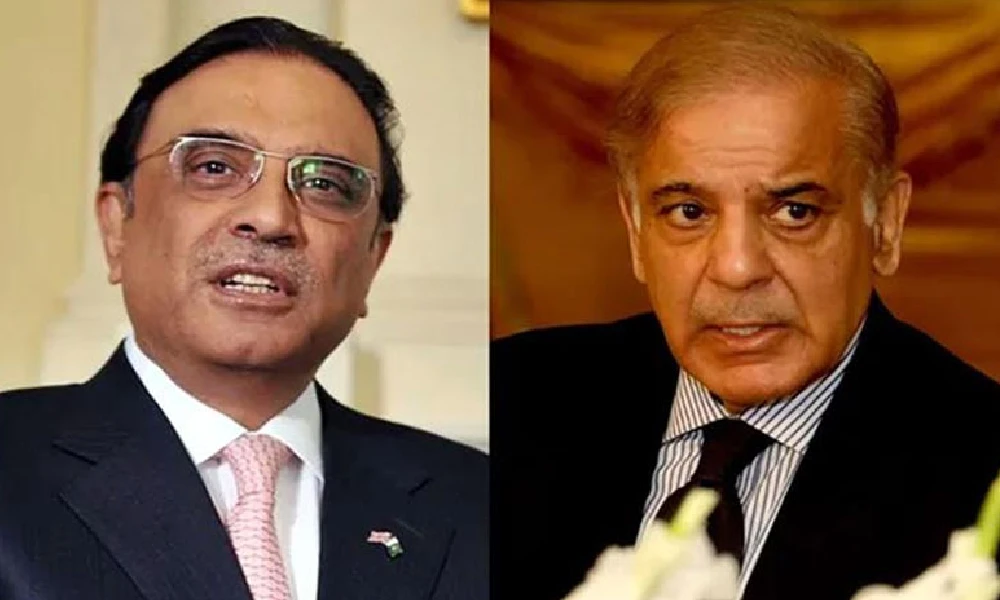
Islamabad (TDI): President Asif Ali Zardari and Prime Minister Shehbaz Sharif have reaffirmed that Pakistan is open to cooperating with all South Asian countries that are willing to advance regional trade and energy partnerships. Their statements came on the occasion of the 40th anniversary of SAARC Charter Day, marked on Monday.
In his message, President Zardari said Pakistan seeks to build stronger economic and transit connections across the region, adding that closer people-to-people ties can bring shared benefits. He noted that Pakistan’s geographical position, connecting South Asia with Central Asia and the Middle East, places it in a unique position to support regional integration.
He urged South Asian nations to look ahead with sincerity and clarity, stressing that the difficulties faced by the region could only be addressed through collective and practical cooperation. “With mutual respect and a spirit of shared responsibility, we can create a peaceful and prosperous future for the next generations,” he said.
Read More: Pakistan, Bangladesh discuss revitalizing SAARC
Prime Minister Shehbaz Sharif, in his separate message, reiterated Islamabad’s firm commitment to the values and goals outlined in the SAARC Charter. He emphasized that South Asia’s true potential could be realised only through meaningful cooperation built on sovereign equality, mutual respect and constructive dialogue.
Read More: SAARC Delegation Seeks Enhanced Trade Relations with Pakistan
The prime minister pointed out that economic, digital and social connectivity had become essential in today’s world. He called for stronger regional links that would support trade, investment, innovation and cultural exchange.
Highlighting the major issues shared by South Asian countries, including poverty, climate-driven disasters, food and energy shortages, and public-health vulnerabilities, he said these challenges could not be tackled by any single nation alone. “A collaborative approach based on trust and goodwill is the only way forward,” he added, expressing hope for a more resilient and inclusive regional future.