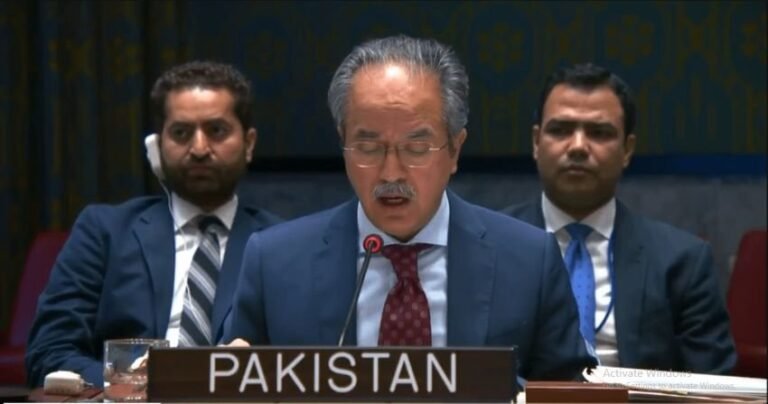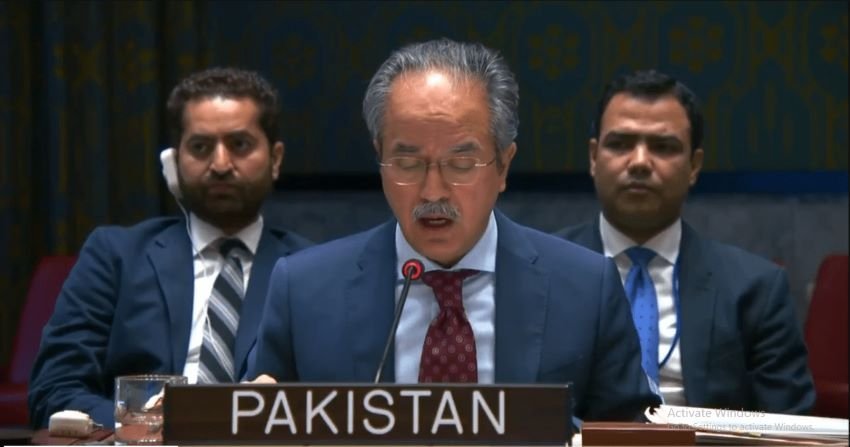
New York (TDI): Pakistan’s Permanent Representative to the United Nations, Ambassador Asim Iftikhar Ahmad, has highlighted the increasing financial pressures on UN peacekeeping operations, warning that a deepening liquidity crisis threatens global peace and security.
Speaking at the opening of the Special Committee on Peacekeeping Operations, Ambassador Iftikhar noted that unpaid dues and shrinking budgets are directly affecting mandate delivery, civilian protection, deterrence, and the safety of peacekeepers. He stressed that UN peacekeeping “remains an indispensable instrument for maintaining international peace and security,” but called for collective action to address the mounting operational, political, and financial challenges.
By the end of 2025, the UN reported a record $1.57 billion in unpaid member state contributions, prompting UN Secretary‑General Antonio Guterres to warn of “imminent financial collapse” unless reforms are implemented and dues are paid promptly. The current rules, which require unspent funds to be returned to member states even when cash is lacking, have been criticized as a “race to bankruptcy.”
Ambassador Iftikhar highlighted Pakistan’s long-standing commitment, noting that the country hosts one of the oldest UN peacekeeping missions, the United Nations Military Observer Group in India and Pakistan, and has been among the largest and longest-serving troop contributors for over six decades. He paid tribute to 182 Pakistani peacekeepers who lost their lives under the UN flag and noted that over 250,000 Pakistani personnel have served in 48 missions across four continents.
Read More: Pakistan Cautions UN Against Reducing Police Funding for Peace Missions
The envoy warned that declining financial contributions and unclear strategic direction could undermine troop readiness, rapid deployment, and specialized units, emphasizing the need for reform. “Peacekeeping must become more agile, focused, and better equipped to address evolving threats, leveraging technology and strengthened partnerships,” he said. He also reiterated that protection of civilians, deterrence, and ceasefire monitoring remain core responsibilities and should not be compromised due to political stalemates.
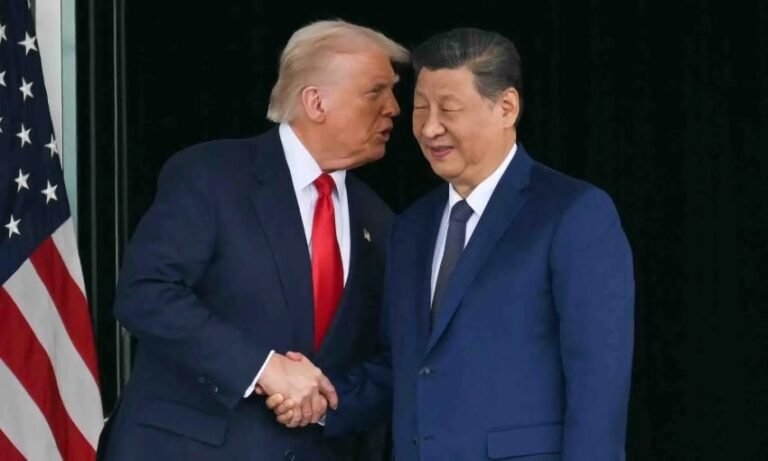
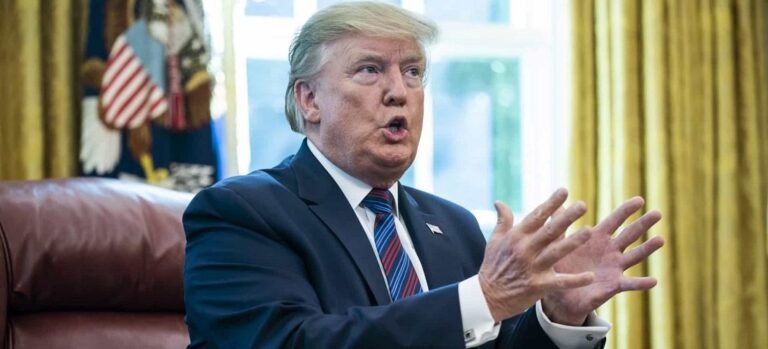
The financial crunch coincides with concerns that alternative initiatives, such as US President Donald Trump’s Board of Peace, could divert attention and resources from the UN, which continues to rely on 193 member states for funding. The US has reduced both mandatory and voluntary contributions to UN budgets, including agencies like the World Health Organization, creating additional pressure on global operations.
Read More: Pakistan Condemns Attack on UN Peacekeepers in Sudan
Secretary-General Guterres has launched the UN80 reform task force to cut costs and improve efficiency, but the approved 2026 regular budget remains 7% lower than the 2025 allocation. He warned that, without urgent payment of dues and budgetary reforms, the UN could run out of cash by July, with humanitarian programs and peacekeeping operations at risk.
Ambassador Iftikhar concluded by urging member states to maintain their financial commitments and ensure that peacekeeping continues as a robust, capable, and responsive instrument for international security.