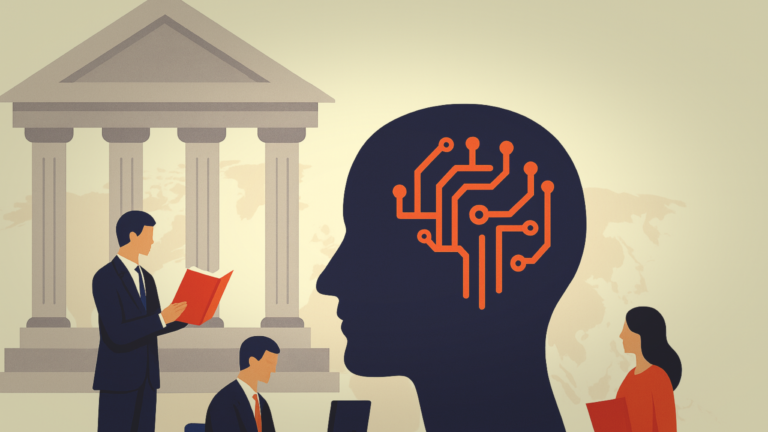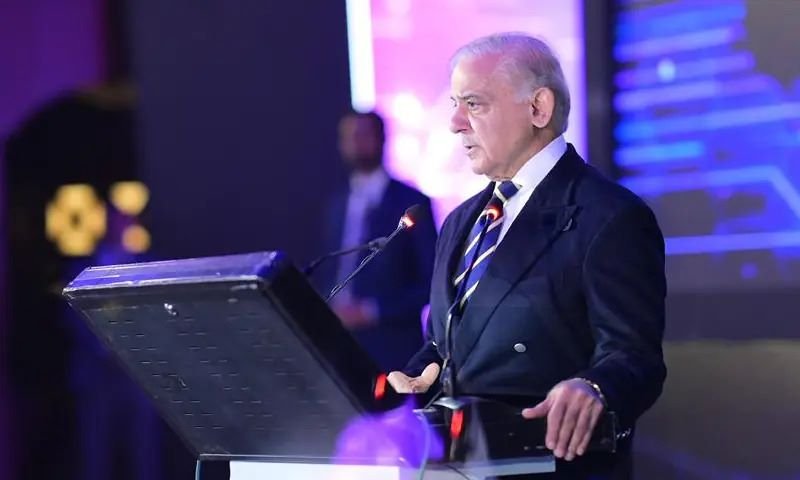
Islamabad (TDI): Prime Minister Shehbaz Sharif on Monday announced that Pakistan will invest $1 billion in artificial intelligence (AI) by 2030, calling the initiative a major step toward building a strong digital and innovation-driven economy.
The announcement was made at the inauguration of Indus AI Week 2026, being held in Islamabad from February 9 to 15. The event is described as Pakistan’s national platform for artificial intelligence, bringing together policymakers, innovators, investors and technology experts.
Addressing the opening ceremony, the prime minister said the planned investment would play a key role in developing a comprehensive AI ecosystem in the country. He added that Pakistan is fully prepared to embrace emerging technologies and work closely with international partners in this rapidly evolving field.
PM Shehbaz also revealed that an AI-focused curriculum would be introduced in all federally run schools, as well as educational institutions in Azad Jammu and Kashmir and Gilgit-Baltistan. He said the initiative would also extend to remote areas of Balochistan to ensure inclusive access to modern education and prepare young people for leadership roles in the digital economy.
Read More: Aurangzeb Highlights Pakistan’s Improving Debt Indicators at AlUla Conference
As part of the long-term strategy, the government will offer 1,000 fully funded PhD scholarships in artificial intelligence by 2030, aimed at developing world-class research capacity within Pakistan. In addition, a nationwide programme will be launched to train one million non-IT professionals in AI-related skills, enabling them to improve productivity and enhance their livelihoods.
The prime minister said agriculture, mining and minerals would be among the priority sectors for AI-driven transformation. Emphasizing that nearly 60 percent of Pakistan’s population comprises youth, he said equipping them with modern knowledge and skills was essential for future growth. He assured IT professionals and startups that the government would introduce programmes to help transition them from traditional IT roles into advanced AI expertise.
PM Shehbaz described Indus AI Week as a potential “game-changer” for Pakistan’s technological landscape and said the country was ready to move forward with commitment and determination. Reflecting on past initiatives, he recalled digital reforms undertaken during previous governments, including laptop distribution schemes, e-libraries, e-stamping, land record computerisation and the launch of Safe City projects, all of which contributed to improved governance and transparency.
Read More: Leveraging Artificial Intelligence in Mitigating Climate Change in Pakistan
He also highlighted ongoing digital reforms at the Federal Board of Revenue (FBR), noting that technology-driven measures had helped curb smuggling, improve tax recovery and reduce revenue leakage.
The government approved the National AI Policy in July 2025 with the aim of expanding access to AI, improving public services and creating new opportunities for innovation and employment. However, implementation has progressed slowly due to administrative and coordination challenges, with awareness and readiness currently being the main focus.
Speaking at the event, IT Minister Shaza Fatima Khawaja said Indus AI Week was designed to strengthen collaboration among universities, government bodies and international technology firms. She added that a nationwide digital master plan was being developed to guide Pakistan’s future digital transformation.
Planning Minister Ahsan Iqbal, in his remarks, said the world had entered an era where intelligence itself had become a key factor of production. He described artificial intelligence as an even greater disruptor than electricity or the internet, noting that countries now compete on innovation, talent, data and technology rather than traditional resources.
He added that Pakistan’s engagement with technology began more than two decades ago with early IT policies, the establishment of Nadra and sustained investment in skilled human capital, laying the groundwork for the current push toward AI-led growth.