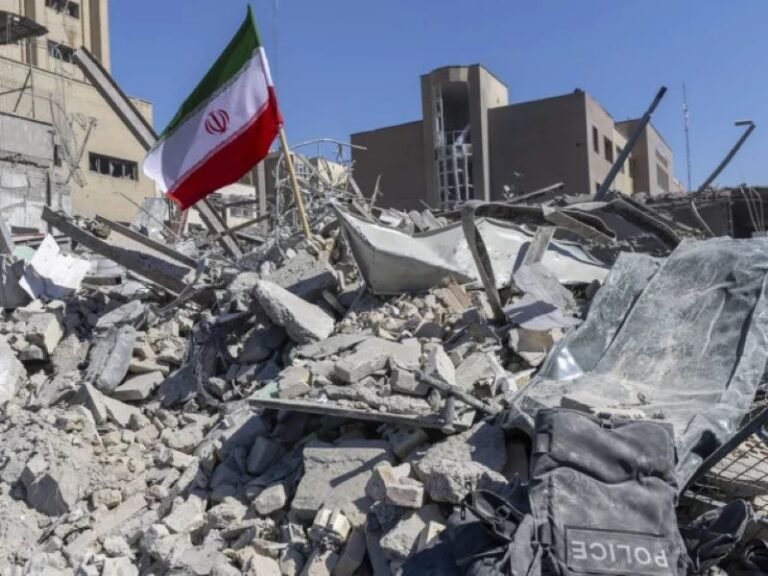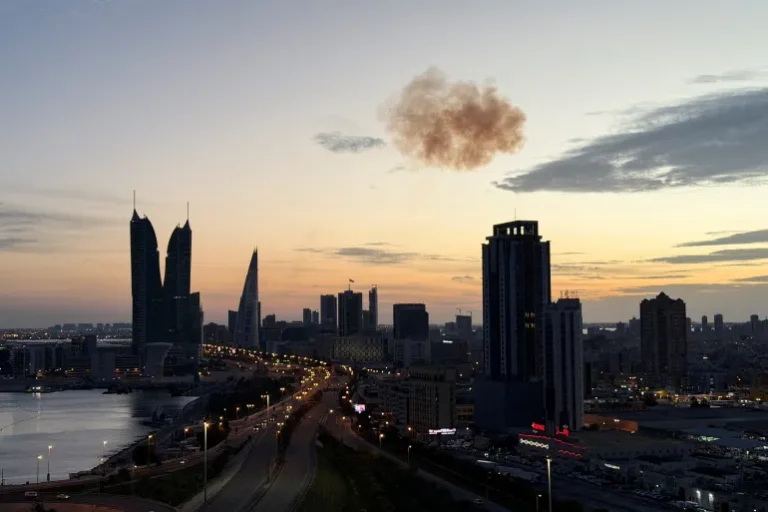
Amid the ongoing rising tensions in the Gulf, including recent missile and drone attacks originating from Iran that have struck Saudi Arabia, the question has become more dire. Not only is the security of US airbases and embassies located in Saudi Arabia being called into question, but Saudi oil infrastructure is also vulnerable.
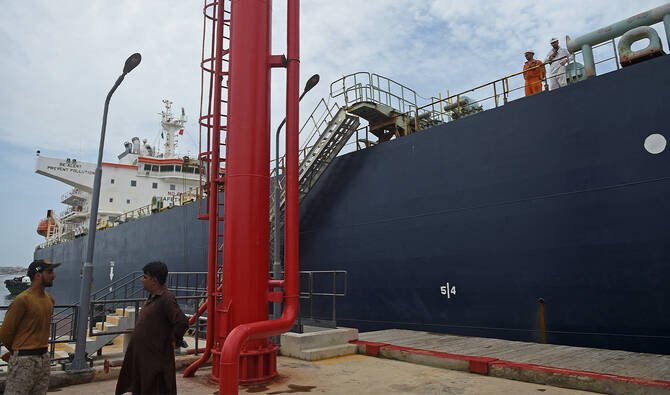
Tensions are also running high in the Strait of Hormuz as shipping has been at a near total halt for the last four days. Approximately 20-30 percent of the world’s total oil and gas passes through this strategically crucial waterway, including Pakistan’s oil and LNG shipments, directly impacting its economy.
In the face of these threats, the practical value of Strategic Mutual Defense Agreement (SMDA) is unclear. Would Pakistan really step in practically and not just take part in making telephone calls to gulf foreign ministries, if its key energy lifelines are at risk? Would it really consider an attack on Saudi soil an attack on Pakistani soil? Or is the SMDA only symbolic?
To refresh the memory, Prince Muhammad bin Salman invited the Prime Minister of Pakistan to Saudi Arabia on 17 September 2025. A session of talks took place in the presence of delegates from both countries. Muhammad bin Salman and Shahbaz Sharif signed the “Strategic Mutual Defense Agreement.”
Read More: Iran Eyes Entry into Pakistan–Saudi Defense Alliance
This pact was signed exactly two days after a joint session of the OIC (Organization of Islamic Cooperation) and the Arab League after Israel attacked Doha, Qatar’s capital, on September 9, 2025. This pact involves the commitment of both countries towards each other to enhance their collective security and joint deterrence against any threat.
The pact clearly states, as disclosed till now, that “Any aggression against either country will be considered an aggression against both.” An attack on one will be viewed as an attack on both. This pact further strengthens the bilateral relations between the two states.
Other details and the official documents of this agreement have not yet been made public. Also, it is worth noting that Pakistan is the only Muslim nuclear power state, and whether nuclear dimension is a part of this pact is not clear.
Yet the SMDA does not automatically translate into boots on the ground or guarantees in conflict situation. It exists between diplomacy and military commitments, promising much but delivering little in concrete terms so far.
Pakistan’s Strategic Constraints
Pakistan is finding itself in a difficult balancing act. Its economy relies on LNG and oil imports from Saudi Arabia and other Gulf States like Qatar, all shipped through the Strait of Hormuz. Any military action in the Gulf could backfire as Pakistan shares a 900 km-long border with Iran and must manage a complex regional relationship.
At a time when Pakistan is facing a volatile situation at its Afghan border, instability on the Iran-Pakistan border will only add to its problems. Aligning too close militarily with Saudi Arabia risks straining ties with Tehran, which could have security and energy consequences.
Also, Pakistan is home to a large number of Shia Muslims, whereas Iran holds a special position of being the spiritual center for Shia Muslims. Any instability with Iran would have consequences for Pakistan’s sectarian harmony. These risks make it nearly impossible for Pakistan to practically commit to SMDA at times like this, when its own stability and interests could be at stake.
Despite the bold statements like “Any aggression against either country will be considered an aggression against both”. The SMDA has little to no operational effect. There have been no major joint deployments, no formal guarantees to protect Saudi assets despite the Ras Tanura Oil Refinery being affected, and no mechanisms to ensure Pakistan’s energy security.
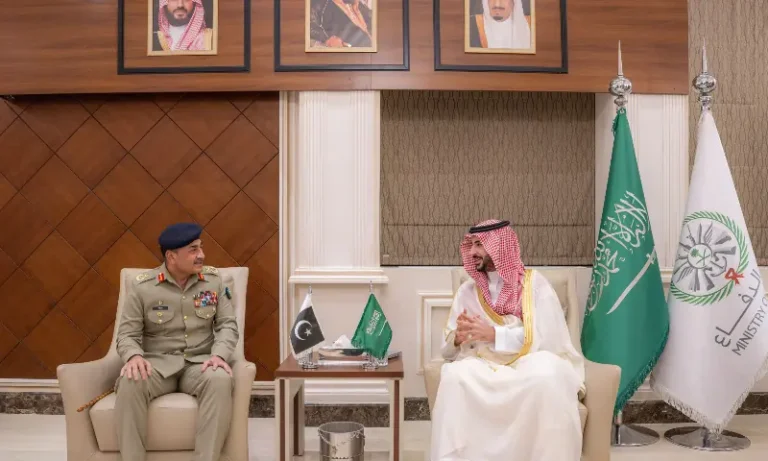
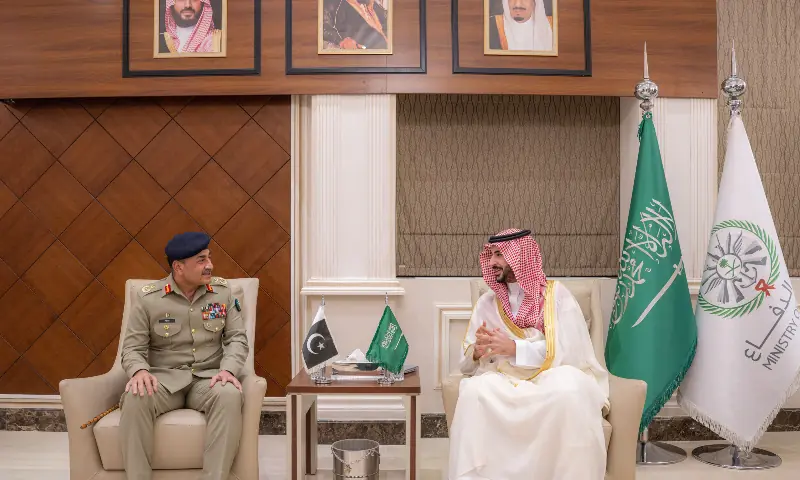
Read More: CDF Munir, Saudi Defense Minister Discuss Iran Attacks and Regional Security
Pakistan is not prepared for such threats; there is no concrete evidence of contingency planning, rapid response mechanisms or mutual defense initiatives to tackle such threats. Pakistan had avoided and would avoid any direct involvement in the pursuit of managing geography, economy and diplomacy.
The agreements appear to be symbolic rather than practical. Leaders of both states can showcase the SMDA to highlight their solidarity but in practice Pakistan continues to prioritize its own stability.
In practice, SMDA is nothing more than a diplomatic ornament. It just provides political reassurance and lacks any frame work that can be activated when the Gulf faces imminent threat. The agreement is largely just a charade, serving the narrative of strong Saudi-Pakistan ties without delivering any security cooperation.
Pakistan needs practical measures to secure its energy lifelines and navigate regional tensions, not just symbolic pacts. Real results require strategy and planning ahead of a crisis and not just a ceremony. SMDA has yet to prove its value beyond words, as it is not even working as a deterrence tool.
*The views presented in this article are the authors’ own and do not necessarily reflect the views of The Diplomatic Insight.

Izza Ilyas
Izza Ilyas is a student of International Relations at IIUI, and an intern at IRS. Her interests focus on Middle East politics, security issues, and energy diplomacy. She can be reached at izzailyas99@gmail.com