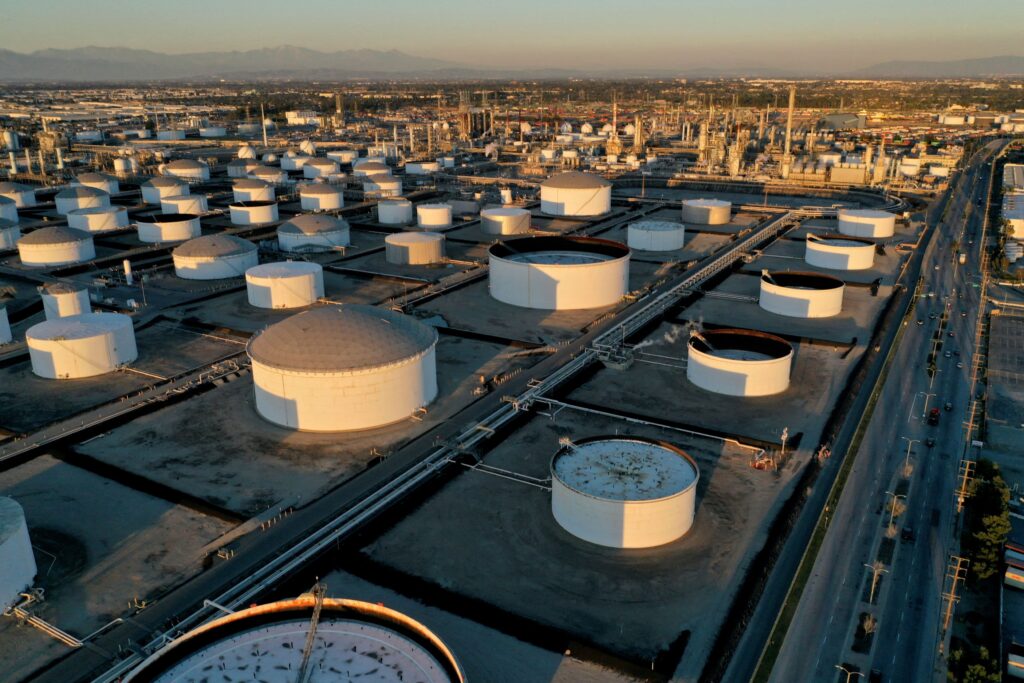
Oil prices tumbled on Monday, as tensions between the United States and Iran escalated to a fourth straight day in the Strait of Hormuz, the world’s most important oil shipping route, with global prices surging 5.2 percent to $78.02 a barrel for Brent crude, and 4.4 percent to $73.52 a barrel for West Texas Intermediate.
The recent escalation is the latest in a series of military countermeasures. The US Central Command said the most recent strike was to further hinder Tehran’s capabilities to attack civilian vessels and commercial ships traveling through the strait and that the strikes had been ordered by the Commander in Chief.
CENTCOM’s strikes against Iran exceeded 300 targets in three nights of strikes this week. In response, Tehran retaliated, with missile alert sirens at U.S. military bases in Bahrain (home to the U.S. Navy’s Fifth Fleet), Kuwait, Qatar, Jordan, and Oman.
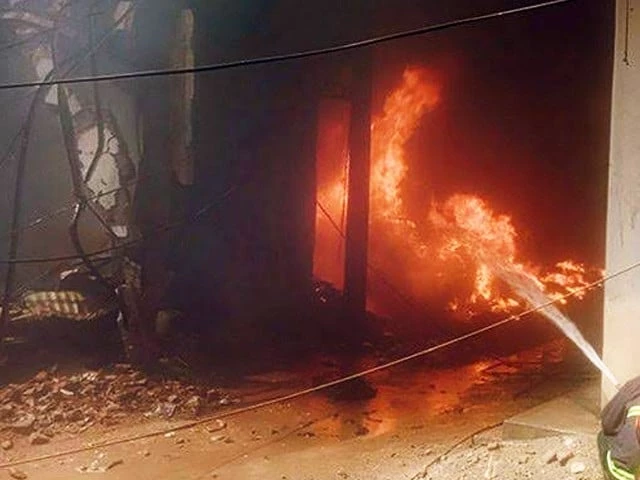
The current round was sparked by an attack on a civilian ship by Iran. Strikes by U.S. forces followed on Sunday following an Iranian attack on a Cyprus-flagged container ship that set it on fire and left one crew member missing in the strait.
The Revolutionary Guard Corps of Iran then announced the closure of the Strait of Hormuz until further notice, until the end of U.S. involvement in the region, but CENTCOM stated the route of the southern Omani coast was still open.
The shipping situation has worsened sharply. As of the latest date, July 5, when IMF PortWatch offered verified data, commercial transit in the strait is down to 39 percent of pre-crisis levels, with 34 vessels transiting an average daily passage of 88 vessels.
Read More: Iran’s Foreign Minister Visits Oman as Gulf Tensions Boil Over Strait of Hormuz
According to Lloyd’s List maritime intelligence, the location transponders of no large vessel have been observed on the southern route since 7 July, which is the lowest number of vessels observed in five weeks.
The strait normally accounts for about 25 percent of the global shipping of oil by sea and emits 20 million barrels per day of crude oil and oil products on average in 2025.
Market analysts warned against any hopes for a quick return to calm. Fabien Yip of IG noted that “oil’s return toward pre-war levels in June had reflected markets pricing in a best-case outcome for the fragile U.S.–Iran arrangement, and that the re-escalation exposed how fragile that assumption was.”
Saul Kavonic, head of energy research at MST Financial, said he expected “oil prices to remain elevated as hazardous conditions persist in the strait and the release of emergency oil stockpiles winds down.”
A return to Diplomacy is being appealed by the regional mediators in Pakistan and Oman. Deputy Foreign Minister Ishaq Dar of Pakistan has called for “restraint,” and earlier Iran and Oman agreed to keep up technical talks on Hormuz navigation, which were superseded by the conflict on Sunday.
The renewed fighting occurs as Iran and the United States are halfway through a provisional 60-day truce that is supposed to be followed by a permanent ceasefire, an agreement whose fate is visibly hanging in the balance.