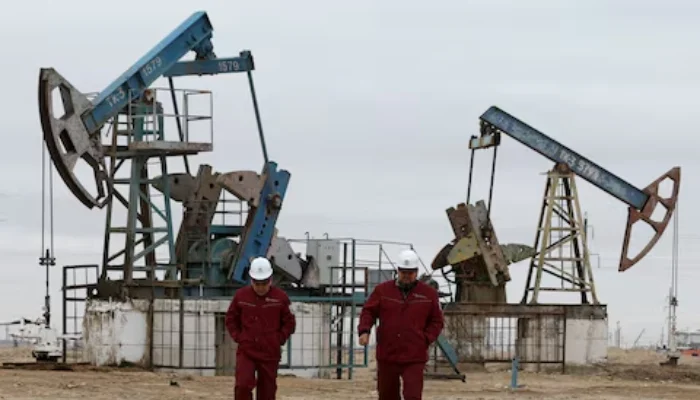
London (TDI): Oil prices edged higher on Friday as escalating military confrontation between the United States and Iran fuelled concerns over global energy supplies, while fresh threats to shipping through the Red Sea added to market uncertainty.
Brent crude rose 7 cents to $84.30 per barrel, while US West Texas Intermediate (WTI) gained 16 cents to $79.11 per barrel in early trading.
Both benchmark contracts are on course for strong weekly gains, with Brent up nearly 12 percent this week and set for a third consecutive weekly increase, while WTI is heading for a second straight weekly gain.
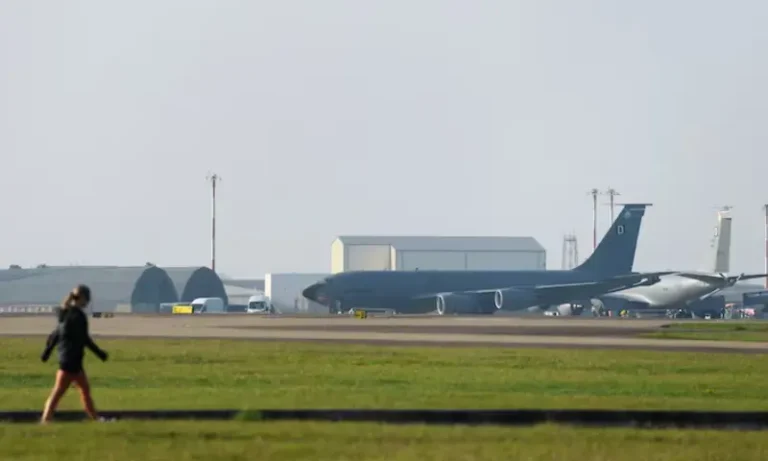
The latest gains came as fighting between Washington and Tehran intensified, with the United States carrying out a sixth consecutive night of strikes on Iranian military targets and Iran responding with missile and drone attacks on US military facilities in the Gulf.
Read More: Oil Prices Rise for Fourth Day on US-Iran Tensions
Markets are also closely monitoring reports that Tehran has asked Yemen’s Houthi movement to prepare for the possible closure of the Bab el-Mandeb Strait, a key shipping route linking the Red Sea to the Gulf of Aden, if US attacks expand to Iranian energy infrastructure.
Analysts warned that any disruption to both the Strait of Hormuz and the Bab el-Mandeb would significantly increase risks to global oil supplies.
The conflict has already disrupted shipping through the Strait of Hormuz, through which around one-fifth of the world’s oil and liquefied natural gas previously passed before the latest escalation.
Read More: Oil Hits One-Month High as US-Iran Conflict Escalates Again
International Energy Agency (IEA) Executive Director Fatih Birol also warned that the situation remained a major concern for global energy markets.
Market analysts said that if geopolitical tensions continue to escalate, WTI crude could climb into the mid-$80 per barrel range in the coming weeks.