New York (TDI): Global oil prices climbed sharply on Thursday, extending their upward trend as intensifying war involving the United States, Israel, and Iran sparked fresh worries about potential disruptions to energy supplies from the Middle East.
Brent crude rose by $2.65, or about 3.3%, reaching $83.99 a barrel by 05:20 GMT, marking its fifth consecutive day of gains. Meanwhile, US West Texas Intermediate crude increased by $2.76, or 3.7%, to trade at $77.42 per barrel, Reuters reported.
Market analysts say traders remain highly cautious as the conflict continues to threaten key supply routes. Particular concern surrounds shipments passing through the Strait of Hormuz, a vital channel for global oil and gas transport, according to analysts at ANZ.
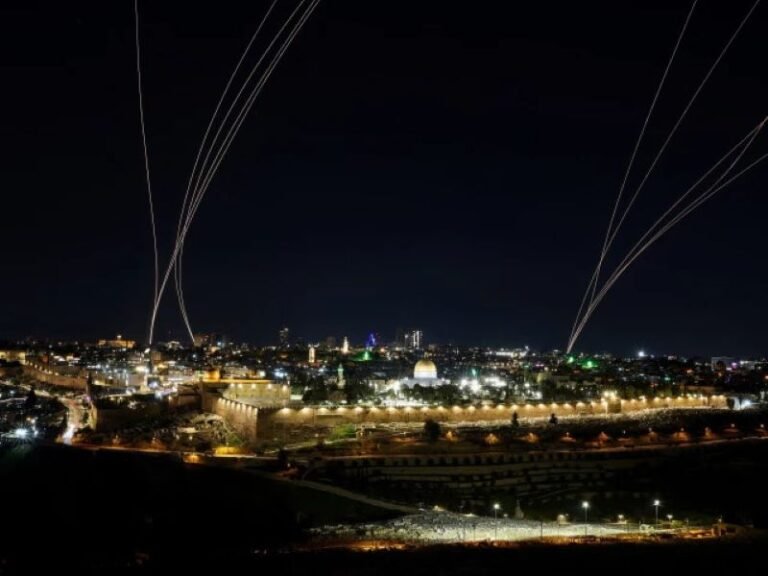
The conflict entered its sixth day after Iran fired a new barrage of missiles toward Israel early Thursday, only hours after attempts in Washington to stop ongoing US airstrikes failed.
Tensions escalated further on Wednesday when a US submarine reportedly sank an Iranian naval vessel near Sri Lanka, leaving at least 80 people dead. At the same time, NATO air defence systems intercepted and destroyed an Iranian ballistic missile heading toward Türkiye.
Read More: Trump Administration Leaves Door Open for Possible Ground Troops as Iran War Escalates
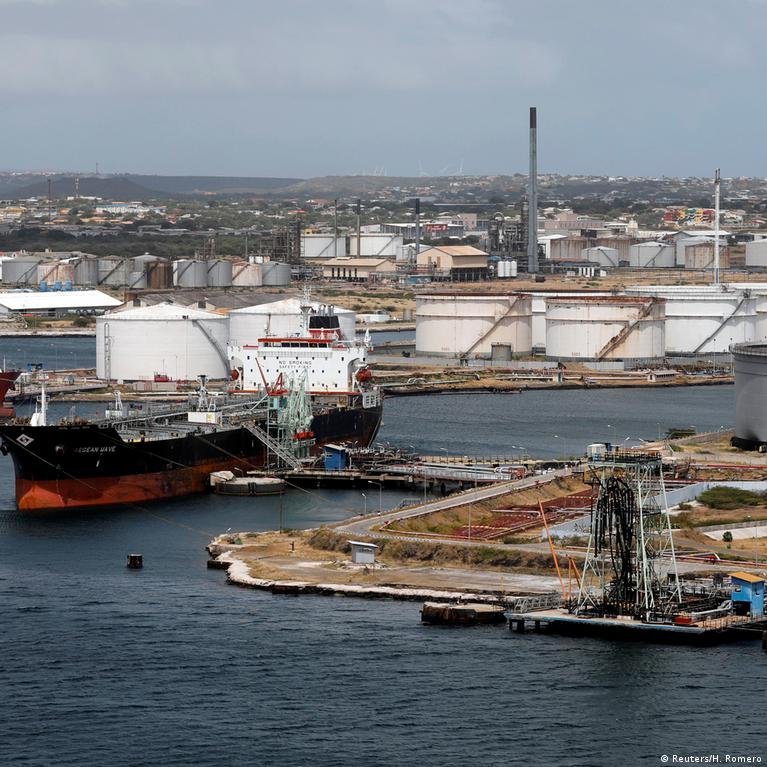
Shipping security in the Gulf has also deteriorated. Iranian forces have reportedly targeted oil tankers around the Strait of Hormuz, while the United Kingdom Maritime Trade Operations reported explosions close to a tanker off the coast of Kuwait.
Meanwhile, Iraq, the second-largest oil producer within OPEC, has reduced its production by nearly 1.5 million barrels per day due to storage limitations and the lack of available export routes, according to officials speaking to Reuters.
Qatar, the Gulf’s leading exporter of liquefied natural gas (LNG), also declared force majeure on gas shipments on Wednesday. Sources suggest it could take at least a month for production and exports to return to normal levels.
Energy traders say the outlook for oil prices remains bullish, with many expecting the conflict to drag on rather than end quickly.
Shipping activity across the Gulf has also slowed significantly. Reuters estimates that roughly 200 vessels, including oil tankers, LNG carriers, and cargo ships, are currently waiting offshore near major producers such as Iraq, Saudi Arabia, and Qatar, based on MarineTraffic data.
Read More: Iran Accuses Israel of Strikes on Gulf Energy Sites
Many other ships remain stranded outside the Strait of Hormuz, unable to access regional ports. The strategic waterway handles nearly one-fifth of the world’s oil and LNG shipments, making any disruption there a major concern for global markets.
In a separate development, China has reportedly instructed companies to pause signing new contracts for refined fuel exports and to explore cancelling previously arranged shipments, according to industry and trade sources.