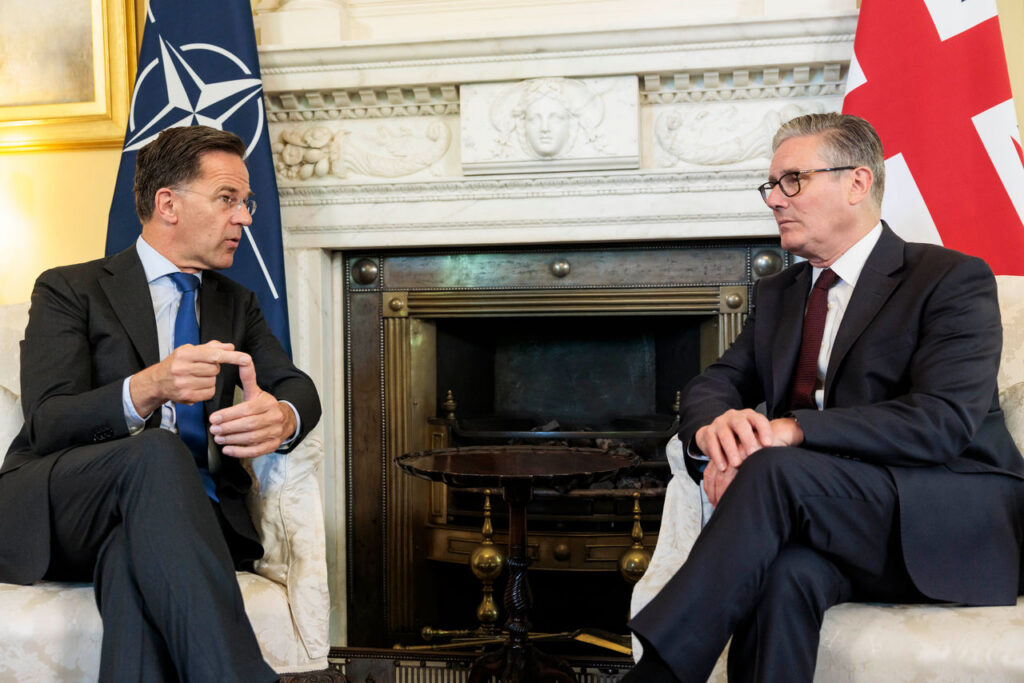
London (TDI): NATO Secretary General Mark Rutte traveled to London on Monday for talks with British Prime Minister Sir Keir Starmer, as alliance leaders finalize the agenda for next week’s NATO Summit in Ankara, Turkiye.
The two leaders discussed the priorities of the summit, including increased defense spending, greater defense production and innovation, and continued strong support for Ukraine.
The talks come as NATO members continue to push for higher military expenditure across the alliance amid ongoing concerns about European security.
Rutte thanked Starmer for his leadership on the Ukraine file and welcomed Britain’s collaboration with France to coordinate international efforts safeguarding freedom of navigation through the Strait of Hormuz, a critical waterway for global oil shipments that has seen heightened tensions in recent months.
.@SecGenNATO had talks with 🇬🇧 PM Sir @Keir_Starmer about the priorities of the #NATOsummit in Ankara. They discussed the importance of increased defence spending, more defence production & innovation, and strong & sustained support for Ukraine ↓ https://t.co/vnEz7QMjlG
— NATO (@NATO) June 30, 2026
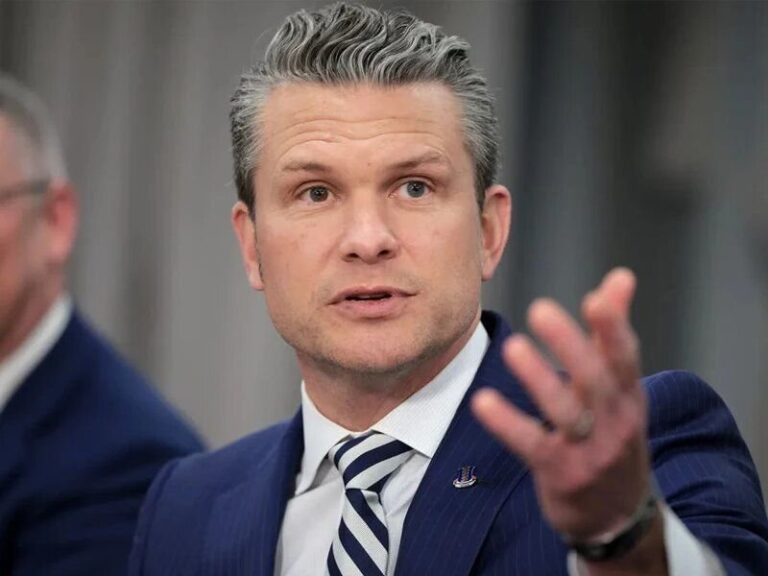
Beyond his meeting at Downing Street, Rutte also held separate discussions with UK Foreign Secretary Yvette Cooper and Defense Secretary Dan Jarvis, rounding out a day of consultations with senior British officials ahead of the gathering of NATO heads of state and government.
The NATO Summit itself will take place in Ankara next week, bringing together leaders from the alliance’s 32 member states.
Rutte’s UK stop is part of a broader round of pre-summit diplomacy in which the Secretary General typically consults with key allies to align positions before formal negotiations begin.
The emphasis on defense spending reflects a continuing alliance-wide push, formalized in recent years, for members to dedicate a greater share of GDP to military budgets and to expand domestic defense manufacturing capacity.
Support for Ukraine remains a central pillar of NATO’s agenda as the war with Russia continues, while the reference to the Strait of Hormuz signals growing alliance attention to security challenges beyond Europe’s borders, particularly in the Middle East, where shipping lanes have come under strain.