New York (TDI): Palestinian and international envoys intensified criticism this week of recent Israeli government measures that amount to the de facto annexation of the occupied West Bank.
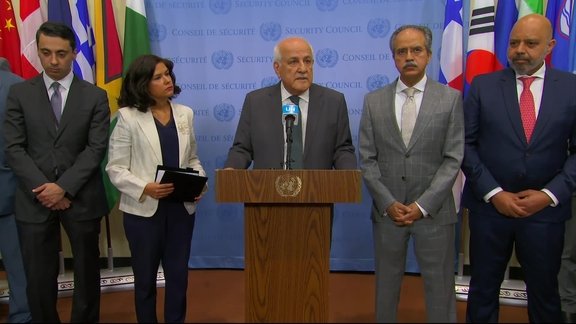
During a news briefing at the UN headquarters, Palestine’s ambassador Riyad Mansour warned that decisions by Israel’s security cabinet to alter the legal and administrative landscape in the West Bank violate international law and undermine the possibility of an independent Palestinian state.
The Organization of Islamic Cooperation (OIC) and the Arab Group at the UN echoed these sentiments, saying the measures threaten regional stability and the long-standing two-state solution framework.
At the stakeout held today following the OIC Group meeting at UN hqs, HE Amb. Ahmet Yildiz, PR of Türkiye delivered OIC statement condemning in strongest terms the illegal Israeli decisions and measures, aimed at imposing unlawful Israeli sovereignty in the occupied West Bank. pic.twitter.com/KlBf8Nj1Fu
— OIC at UN (@OICatUN) February 10, 2026
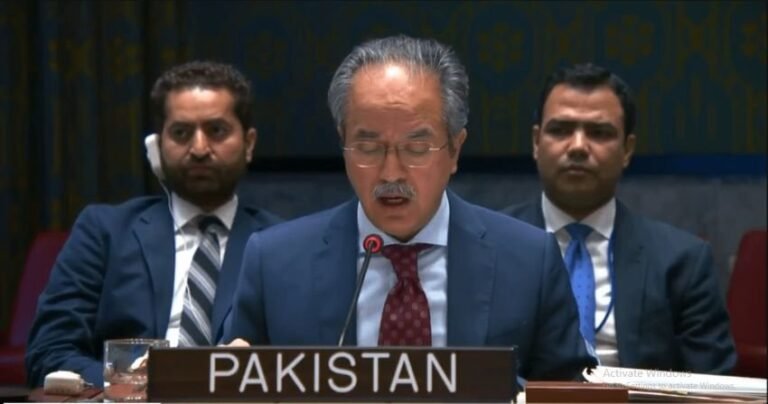
Eight Arab and Muslim-majority nations, including Egypt, Pakistan, and Saudi Arabia, issued coordinated condemnations of the Israeli actions, describing them as a clear violation of UNSC resolutions that reject unilateral changes to the status of occupied Palestinian territory.
The statements stressed that Jerusalem and the West Bank remain integral parts of the territory Palestinians claim for statehood.
In a separate address to the United Nations, Palestine’s UN envoy called on “powerful partners” to act to halt what he described as creeping annexation, saying the Israeli push to deepen control over the West Bank fuels violence in the region and erodes efforts toward peace.
Read More: Global Outcry Intensifies as Israel Expands Control in West Bank
This appeal comes as Palestinians are alarmed over the new land rules, which make it easier for Israeli settlers to purchase land and broaden Israeli administrative reach. They view these measures as erasing established legal protections and entrenching a permanent Israeli presence.
Israel’s government contends the measures are aimed at improving governance and security, but Energy Minister Eli Cohen explicitly said such steps give Israel “de facto sovereignty” over the West Bank and diminish prospects for future Palestinian statehood.
European Union officials have also called the measures a “step in the wrong direction” and warned they could trigger diplomatic consequences, including the potential suspension of trade agreements.
The timing of these developments, ahead of a planned meeting between Israeli Prime Minister Benjamin Netanyahu and US President Trump, adds pressure on global powers to clarify their positions.