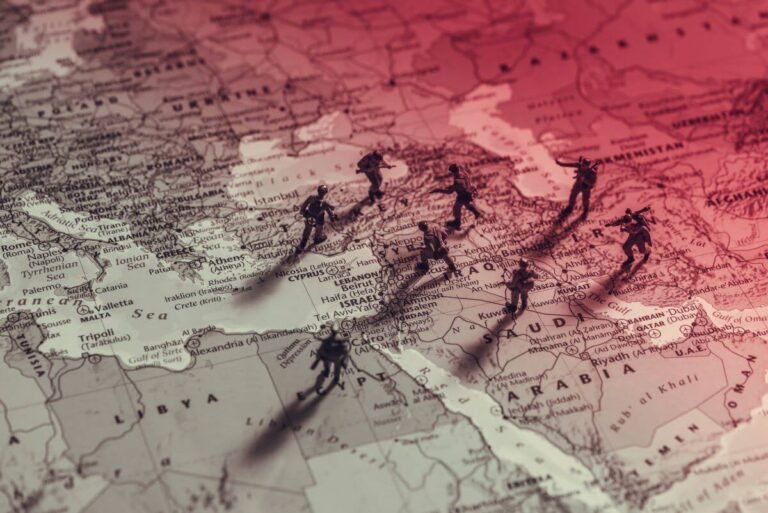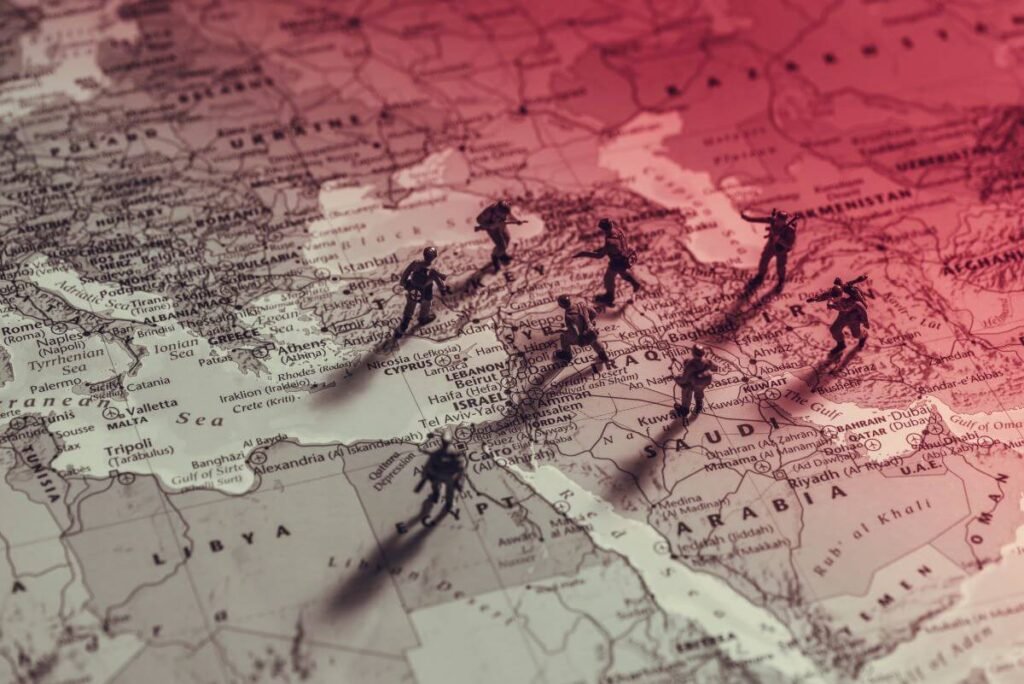
The current crisis in the Middle East is a graphic example of how the divide and rule strategy, with which foreign powers long exploited internal conflicts to subjugate the country, still fuels instability even in the Muslim-majority nations, and how the foreign policy of Donald Trump has actively engaged in this process of fragmentation.
What started as increased tension due to the nuclear program and influence of Iran in the region has already degenerated into actual military action between the United States, Israel, Iran, and a number of the Gulf nations.
The outcome is not cohesion among Muslim states but their disintegration, terror and a high possibility of a larger regional war. The crisis is indicative of structural conflicts in the Muslim world as well as the disrupting effect of external coercive policies.
On 28 February, 2026, the United States and Israel initiated the coordinated military strikes against Iran, attacking many military and governmental installations in the largest cities of Tehran and Isfahan. These operations were explained by the U.S. and Israeli officials as pre-emptive actions to destroy the Iranian nuclear facilities and military institutions and also pressure the Iranian government to change politically.
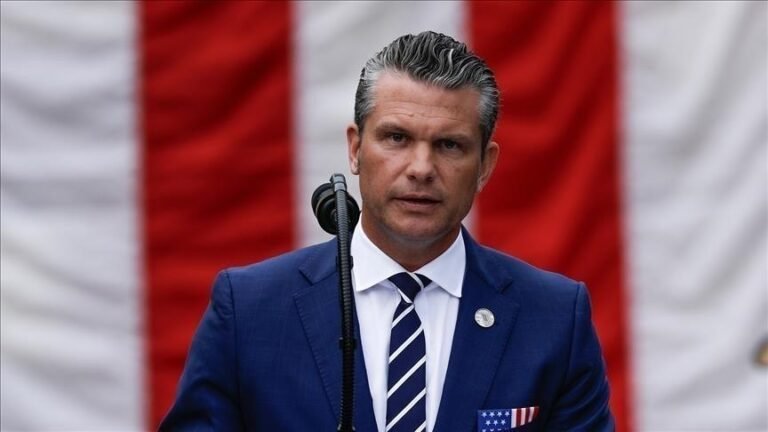
The major combat operations were announced publicly by U.S. President Donald Trump; he presented the operations as a necessary step to eradicate what he described as imminent threats by the Iranian regime. Such strikes can be viewed as an extension of the Trumpian policy of extreme pressure on Tehran that is based on military pressure and does not use the methods of multilateral diplomacy to impose the strategic goals.
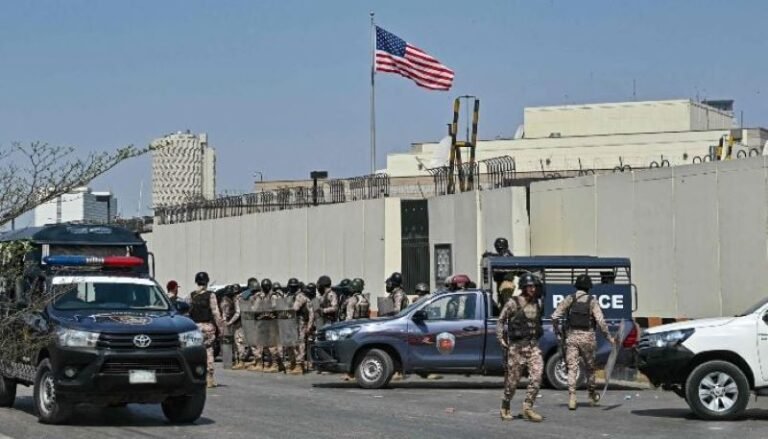
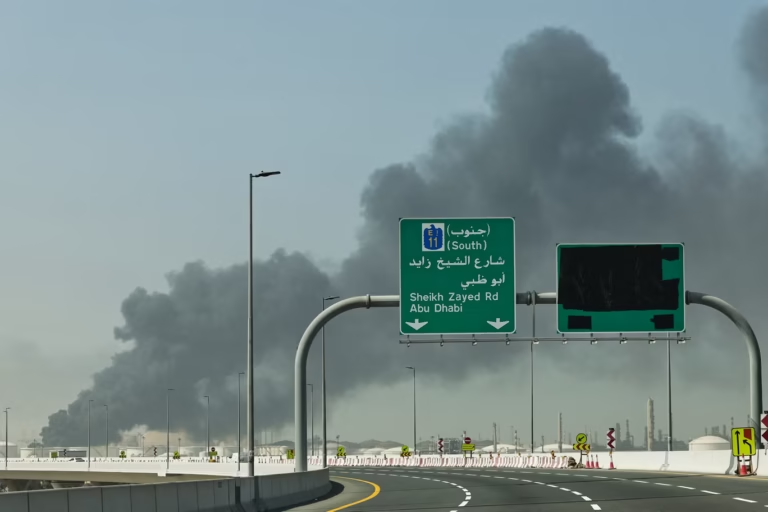
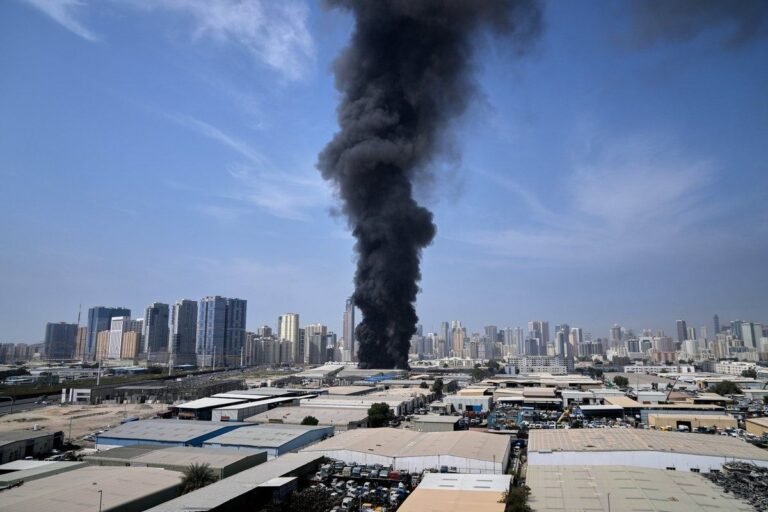
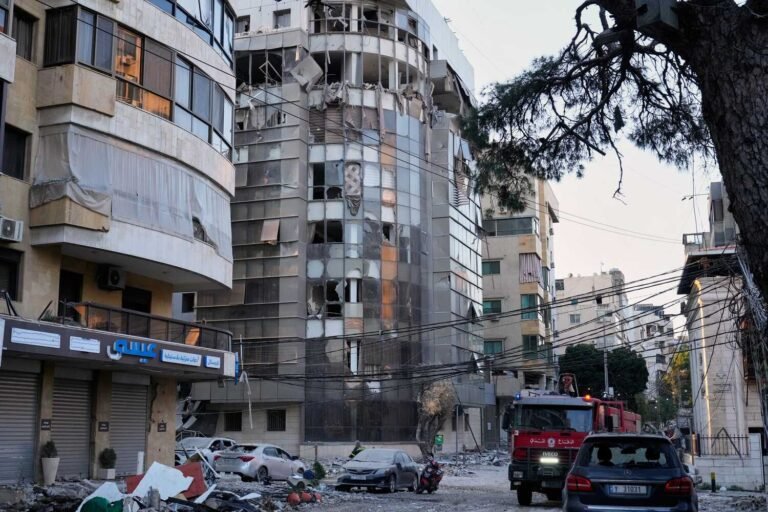
The Islamic Revolutionary Guard Corps (IRGC) of Iran responded by firing missiles and drones against U.S. military bases and allied infrastructure in some of the Gulf states, such as Bahrain, Kuwait, Qatar, and the United Arab Emirates. In these states, explosions and sirens were reported as projectiles were hitting critical installations either near by or hitting them directly.
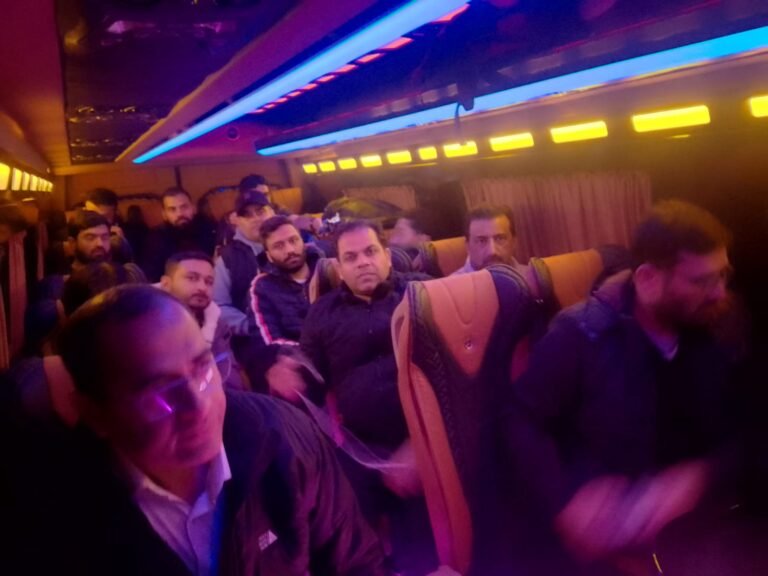
The direct domestic effect of the retaliatory strategy of Iran was seen through the closure of civilian airspace with governments making shelter and flight changes, as well as advising. Such an increase shows that military involvement in the Gulf is the most volatile, as regional proximity and strategic bottlenecks, such as the Strait of Hormuz, increase the chances of vast energy supply and trade route disruption.
The existing war also shows the weak unity of the Muslim-majority states. Historically conservative and economically interdependent countries of the gulf like Saudi Arabia, the UAE, Qatar and Kuwait have raised alarm over the mounting hostilities.
Although these states have been united in their opposition to the influence of Iran regionally, they have mostly avoided direct military involvement, preferring economic safety and stability in the region over taking part in the activities of the U.S. Iraq presents a dilemma of balancing between neutrality and pressure exerted by the outside forces due to its multi-tiered political situation and strong Tehran-oriented Shia forces, which only serves as a mere reflection of the multi-fractured situation in the area.
The varying reactions of these states highlighted the interaction of internal and external forces in making sure that these states do not act against each other as it has been identified that a country is willing to do whatever it can to have its way and this has been played upon by other countries to ensure that they get results which are beneficial to them.
Trump’s Policy and Its Impact on Regional Fragmentation
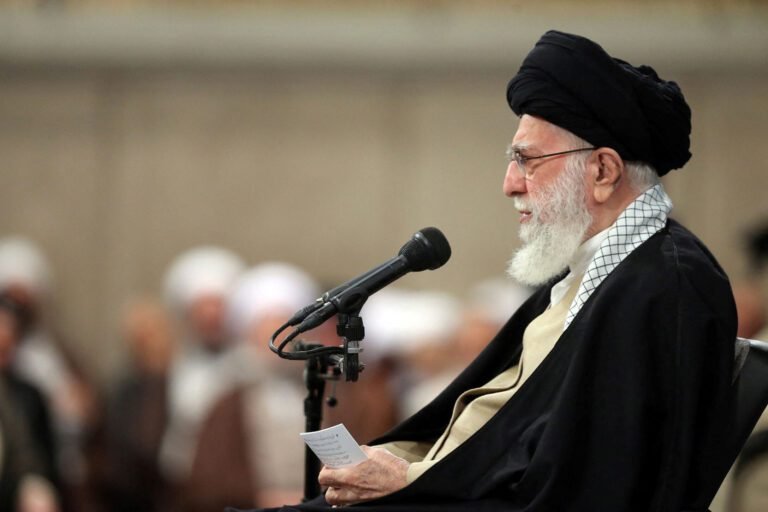
This fragmentation has been largely caused by the policy approach of the Trump administration. Trump has made it clear that he is not afraid to influence the inner Iranian politics using coercion instead of diplomacy by highlighting the military escalation, threats to the populace, and rhetoric that advocated regime change in Iran.
Before the strikes, Trump urged Iranian people to rise and take control of their government and attributed the occurrences of domestic unrest to the larger U.S. long-term strategic plan. This kind of rhetoric, coupled with a military buildup in the area never seen before in U.S. history, is indicative of a high stakes game that aims to establish dominance at the expense of inculcating nationalistic feelings in Iran and increasing anti-American views throughout the Muslim world.
According to critics, this dependence on offensive strategy simplifies the political and social situation of Iran that is rich in such problems and diminishes the possibilities of de-escalation, negotiation, and collaboration at the region.
The United States also complicated the situation in the region by placing huge military resources in the Gulf, which was the biggest since the Iraq War. Host nations though they assisted American security interests, were caught between being direct and possible retaliation thus highlighting the downside of employing coercive power to compel compliance.
This tactic plays into the trap of solidifying the separations between the states that are majority Muslim, as some governments focus on diplomacy and stability, whereas others are forced to react to the danger of escalation or even to the need to keep up with the U.S. security pledges.
Divide and Rule in Practice
Divide and rule is a concept that has been witnessed in how the outside forces have exploited the divisions. Hardline states consider U.S. military support as the necessity to resist the effects of Iran but worry of the escalation and retaliation. The smaller and moderates state is a state that promotes diplomacy, as opposed to war to ensure economic stability and social stability.
The citizens within the Gulf, Iraq and other countries are equally divided in their opinion as a result of Iran policies and U.S. intervention is seen as disruptive by others. These forces have increased distrust between Iran and its neighbors, as well as among Muslim states themselves, which have created a uneven political environment that can be used to its advantage by the foreign countries.
This cleavage is further complicated by the strategic and economical interests. The Persian Gulf is a strategic route through which transport of oil to all parts of the world is carried and whenever there is any missile attacks or threats of closing the Strait of Hormuz, it directly affects oil prices and trade across the world.
Any deterioration threatens to destroy long-term economic development strategies, investments flows and diversification strategies that have been undertaken by the Gulf states. It also compels Iran to adhere to asymmetric deterrence policies, proxy groups and missiles capabilities to affect regional calculations without necessarily having direct warfare between the states.
Failures of Trump’s Policy
The failures of Trump in the policy in this regard are manifold. To start with, the focus on force, instead of diplomacy has replaced the multilateral negotiations to negotiate stability leading to limited conflict resolution. Second, the direct military involvement has only intensified the situation and not defused the situation placing the Gulf states in a dangerous situation without gaining long term peace.
Third, the U.S. has not taken into consideration the regional agency and the strategic decision-making of the Muslim-majority states, many of whom are not willing to get sucked into broader conflicts by underestimating the autonomy and strategic reasoning of the said states. Lastly, the propensity to promote political instability in Iran coupled with military strikes only makes internal conflict more in-depth, and long-term stability in Tehran and the region becomes even more difficult.
How these dynamics are dealt with is the key to the future of the Middle East. In case the diplomatic systems are reinforced, and negotiations with Tehran are inclusive, the sanctions may become softened, the economic stability may be improved, and proxy wars might decrease.
Such a situation would enable the Gulf states and Iran to set aside militaristic rivalry and proceed to economic and infrastructural rivalry and transform the region into a platform where cooperation and collective growth is promoted. On the contrary, further escalation would most probably escalate asymmetric measures in deterring, augment the presence of US troops in the Gulf, undermine international energy markets, and discredit the local and regional security systems.
Finally, the 2026 crisis shows that external force, military build-up and rhetoric of regime change only intensifies the long been division of the Muslim world. The high stakes brinkmanship U.S. policy of Donald Trump has further divided, complicated diplomacy, and heightened fear and mistrust cycles.
This means that to realize true stability will mean the transition of military hegemony to inclusive, negotiated structures where the Muslim dominated nations will be active participants in seeking regional collaborations instead of passive agents in externally fueled conflicts. In the absence of such a shift, the region will continue to be susceptible to recurrent cycles of war, economic imbalances and geopolitical insecurity, whose effects far transcend the region.
*The views presented in this article are the author’s own and do not necessarily reflect the views of The Diplomatic Insight.

Waqas Abdullah
Waqas Abdullah is a geopolitical analyst and anthropologist whose areas of expertise are Middle Eastern and Indo-Pacific politics. A Türkiye Bursları Scholar, he is pursuing a Master’s in International Relations at Selçuk University Konya. His work focuses on climate refugees, human security, and regional cooperation.