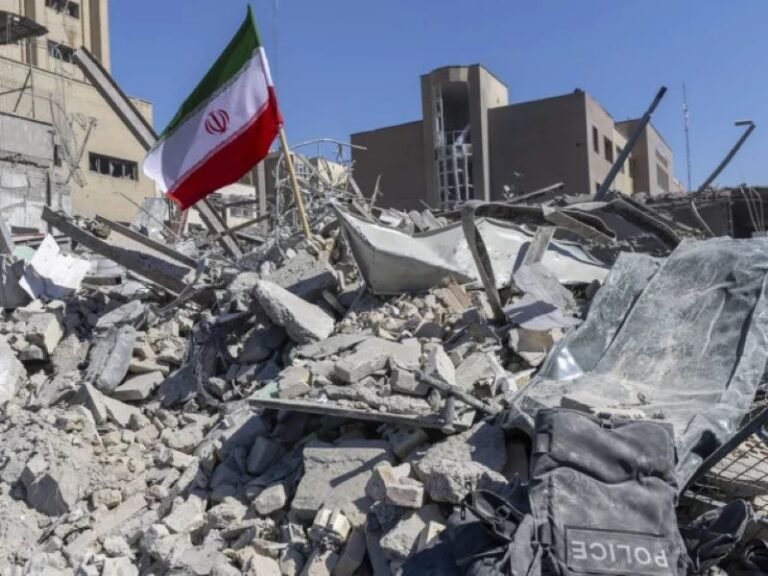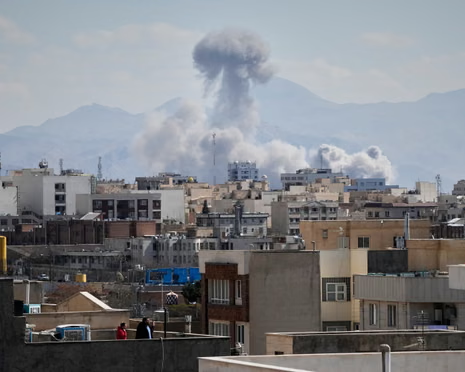
The Middle East once again stands at the center of global attention as tensions involving Iran, the United States, Israel, and several regional powers threaten to reshape the geopolitical balance of the region. The current crisis has not emerged suddenly; rather, it is the result of decades of political rivalry, ideological conflict, and strategic competition among global and regional powers.
To fully understand the present situation, it is necessary to examine the historical background of Iran’s political transformation, its long conflict with neighboring states, and its complicated relationship with major world powers.
The modern political identity of Iran was fundamentally shaped by the Iranian Revolution of 1979. Before the revolution, Iran was ruled by Mohammad Reza Pahlavi, the Shah of Iran, whose government maintained close political and military relations with the United States and other Western powers.
However, widespread dissatisfaction, economic inequality, and political repression led to mass protests throughout the country. These protests were led by the exiled religious leader Ruhollah Khomeini, who eventually returned to Iran and established the Islamic Republic.
Soon after the revolution, relations between Iran and the United States deteriorated sharply following the Iran Hostage Crisis, when Iranian students seized the American embassy in Tehran and held U.S. diplomats hostage for 444 days. This incident created a deep mistrust between the two countries that has shaped their relations for more than four decades.
Another defining moment in Iran’s modern history was the Iran–Iraq War, which began in 1980 when Iraqi leader Saddam Hussein invaded Iran. The conflict lasted eight years and resulted in massive destruction and loss of life on both sides.
Several regional and international actors indirectly supported Iraq during the war, fearing that Iran’s revolutionary ideology might spread across the Middle East. The war finally ended in 1988 with mediation by the United Nations, but it left deep scars on the region and shaped Iran’s long-term security strategy.
Read More: Global Order Under Fire: Iran, Israel, and the United States
In the decades that followed, Iran continued to face international pressure, particularly over its nuclear program. The country insists that its nuclear activities are intended for peaceful energy purposes, while Western governments have repeatedly expressed concerns about potential military applications.
In 2015, diplomatic negotiations resulted in the Joint Comprehensive Plan of Action, an agreement designed to limit Iran’s nuclear activities in exchange for the lifting of economic sanctions. The agreement was monitored by the International Atomic Energy Agency. However, the situation changed dramatically when the United States withdrew from the deal in 2018 and re-imposed sanctions, increasing tensions once again.
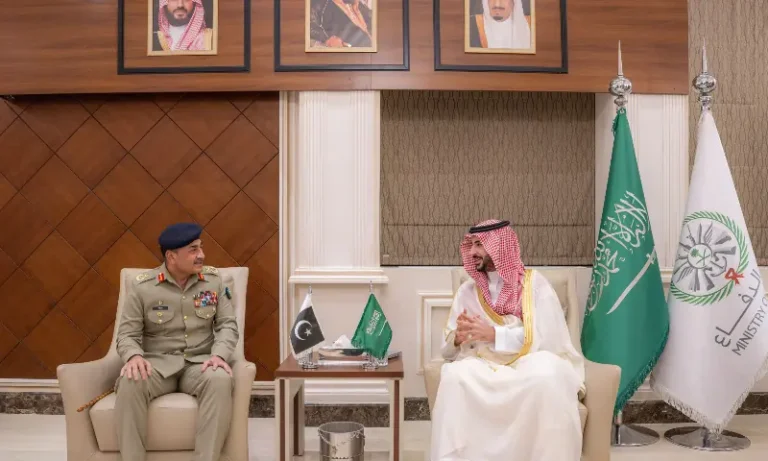
Regional dynamics have also played a critical role in shaping the crisis. Countries such as Saudi Arabia, United Arab Emirates, and Israel view Iran’s growing influence in the region as a significant security concern. On the other hand, Iran maintains political and strategic relationships with countries and groups in Iraq, Syria, and Lebanon. These competing alliances have transformed several regional conflicts into broader geopolitical confrontations.
The role of global powers is equally significant. China has become one of Iran’s most important economic partners and a major buyer of Iranian oil, while Russia has strengthened its strategic relationship with Tehran, particularly in regional security matters. European countries such as France, Germany, and the United Kingdom generally advocate diplomatic solutions and encourage negotiations to prevent a wider conflict.
Beyond political and military consequences, the current crisis has already caused severe disruptions to global aviation and economic activity. According to international aviation reports, almost 23,000 flights have been cancelled, leaving thousands of passengers stranded and creating chaos across major airports. Key aviation hubs in cities such as Dubai, Doha, Abu Dhabi, and Manama have experienced major operational disruptions due to airspace closures and security concerns.
The impact extends far beyond aviation. Tourism, trade, and economic activity across Gulf countries have been seriously affected. The economies of the Gulf region depend heavily on international travel, logistics, and global trade networks.
Read More: Trump Says US Not Considering Ground Troops in Iran
With flights suspended and travel uncertainty increasing, the tourism industry has suffered immediate losses. Infrastructure, commercial trade routes, and financial markets are already facing pressure, and experts warn that prolonged instability could cause further economic damage in the future.
At the same time, Iran is widely considered a revolutionary nation that has faced extremely difficult circumstances throughout its modern history. From the challenges following the Islamic Revolution to the devastating Iran–Iraq War and decades of international sanctions, Iran has developed significant resilience and strategic experience in dealing with conflict.
For this reason, many analysts argue that Iran cannot be regarded as an easy target in any prolonged military confrontation. If tensions escalate further, even powerful nations such as the United States and Israel could face complex strategic challenges.
The current crisis in the Middle East reflects a long history of political rivalries, ideological differences, and competing geopolitical interests.
However, in today’s interconnected world, the consequences of such conflicts are no longer limited to a single region. Disruptions in aviation, energy supplies, trade routes, and global markets demonstrate that instability in the Middle East affects the entire international community.
In the present situation, there is an urgent need for all regional and global powers to play a constructive and responsible role in promoting peace and stability. This war is no longer confined to one country or region; its effects are being felt throughout the world.
Therefore, diplomatic engagement, cooperation among regional states, and renewed international efforts are essential to prevent further destruction and to ensure a more stable and peaceful future for all nations.

Wajahat Ghauri
Wajahat Ghauri is an Islamabad Based Lawyer, and Master’s in Political Science from Punjab University. He can be reached at ghauriwajahat29@gmail.com