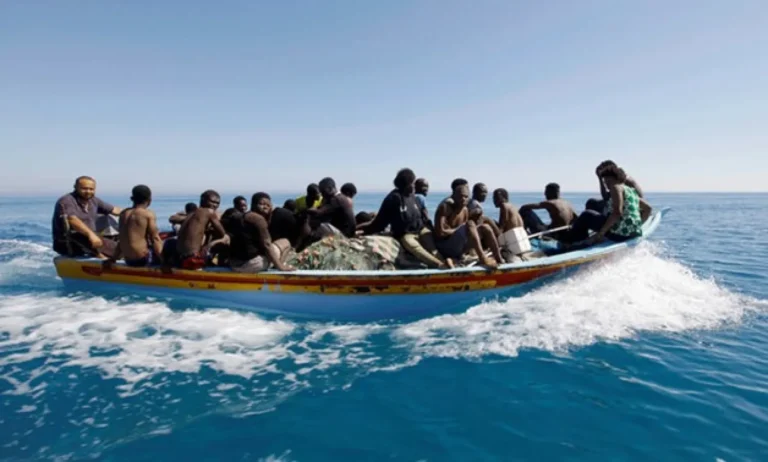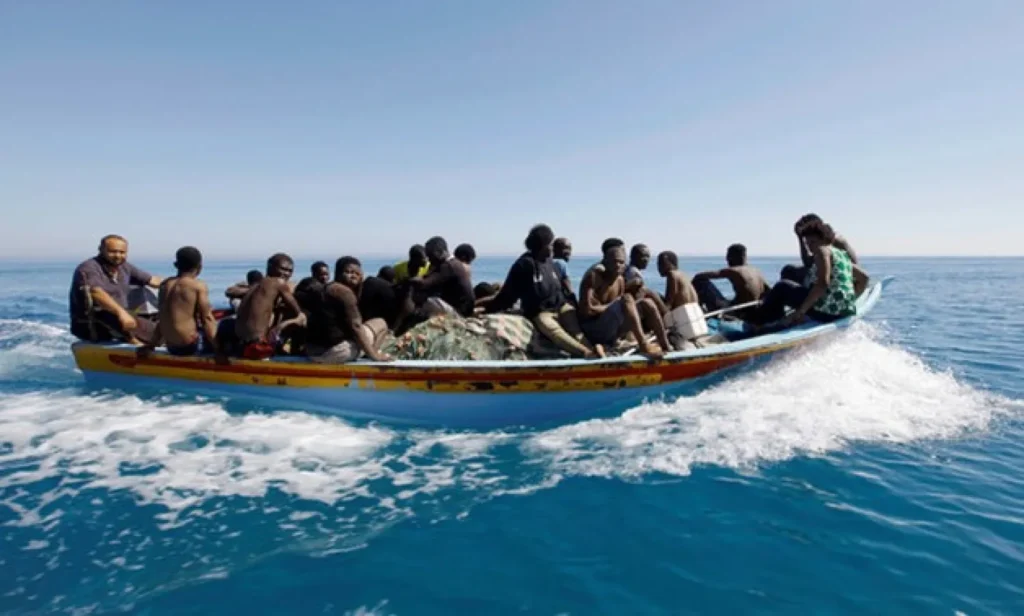
Rome (TDI): Italy’s conservative government, led by Prime Minister Giorgia Meloni, has taken a hardline stance on migration policy with the Cabinet’s approval of a controversial bill granting powers to the executive to impose “naval blockades” against migrant vessels approaching Italian waters.
The move, seen as one of the most drastic measures yet in Rome’s ongoing effort to curb irregular migration, has ignited fierce debate over legality, humanitarian obligations, and compliance with international norms.
Under the draft legislation, authorities can ban entry into Italian territorial waters for up to 30 days, renewable up to six months, in response to so‑called “exceptional migratory pressure” or when a vessel is deemed a threat to public order, national security or international health emergencies.
The government asserts that such powers are necessary to protect border security and manage large movements of migrants more effectively.
The bill also includes strict sanctions for violations; individual captains and vessel owners could face fines of up to €50,000, with repeated infractions leading to the confiscation of ships.
Read More: 53 Migrants Dead or Missing After Boat Capsizes Off Libyan Coast: UN
In addition to naval blockades, the legislation allows authorities to transfer intercepted migrants to third countries that have bilateral agreements with Italy, a policy reminiscent of the much‑debated Italy‑Albania migration protocol.
Though envisaged as an offshore processing solution, the Albania model has largely been stalled due to legal challenges in Italian and EU courts.
The timing of Italy’s bill aligns with the European Union’s newly adopted migration and asylum pact, which gives member states greater leeway to reject asylum claims and deport individuals to countries deemed “safe,” including non‑EU states.
Rome insists its approach is consistent with broader EU reform efforts and underscores that “Italy’s borders are Europe’s borders.” The bill will now be debated and approved by both chambers of the Italian Parliament before becoming law.
Opposition parties, legal scholars, and human rights organizations contend that naval blockades are in conflict with international maritime law and asylum obligations, potentially putting lives at risk and undermining the right to seek refuge.