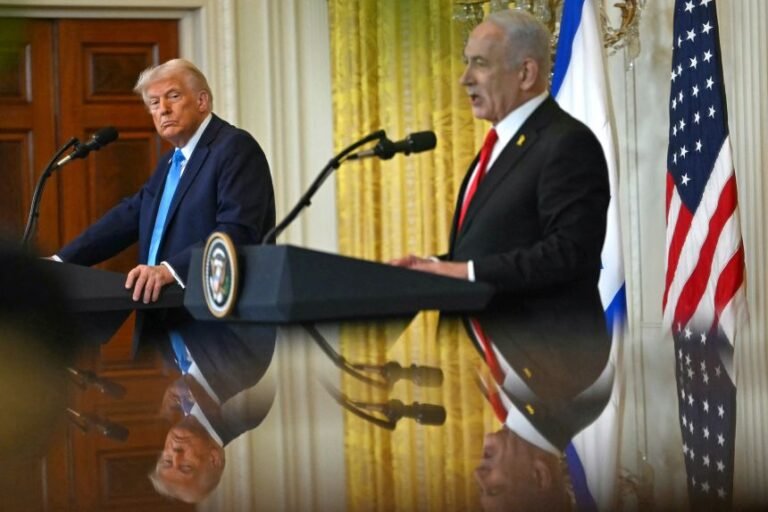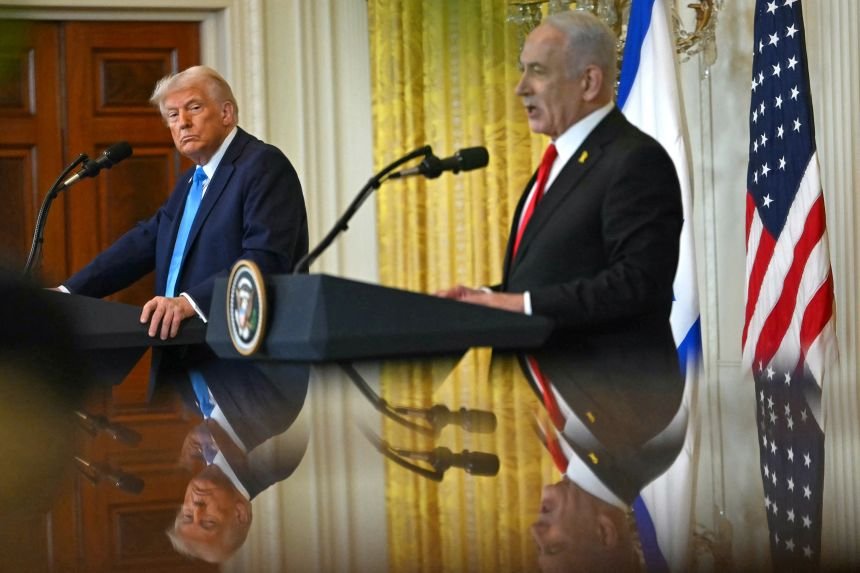
Washington (TDI): Israeli Prime Minister Benjamin Netanyahu announced on Wednesday that Israel has formally joined US President Donald Trump’s newly formed “Board of Peace,” an initiative aimed at addressing conflicts beginning with Gaza.
Netanyahu made the statement during his visit to Washington, where he held meetings with President Trump and Secretary of State Marco Rubio. Images released after talks between Netanyahu and Rubio showed the Israeli leader holding a signed document confirming Israel’s participation in the body.
In a post on X, Netanyahu said he had signed Israel’s accession to the board. He later met with Trump, with discussions reportedly focusing in part on Iran and broader regional security concerns.
The “Board of Peace” was established following a United Nations Security Council resolution passed in mid-November. The resolution authorised the creation of an international stabilisation framework for Gaza, where a fragile ceasefire took effect in October under a plan proposed by Trump and accepted by both Israel and Hamas.
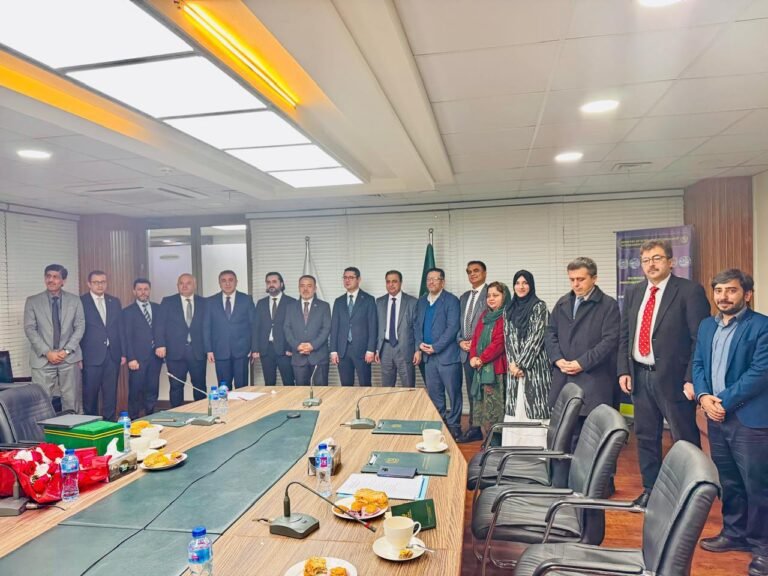
Read More: PM Shehbaz to Attend Board of Peace Meeting on Feb 19
Initially, the board was tasked with overseeing Gaza’s temporary governance during the post-conflict transition. Trump later indicated that the initiative would expand beyond Gaza, with the board, chaired by him, addressing other global conflicts as well.
Its first official meeting is scheduled for February 19 in Washington, where members are expected to focus on reconstruction efforts in Gaza.
The initiative has drawn mixed reactions internationally. Some human rights experts argue that a foreign-led body supervising the governance of a territory raises concerns reminiscent of colonial-era arrangements. Israel’s inclusion has added to the controversy, particularly as no Palestinian representative is currently part of the board.
Read More: When Peace Becomes a Deal: The Board of Peace and the Politics of Brokerage
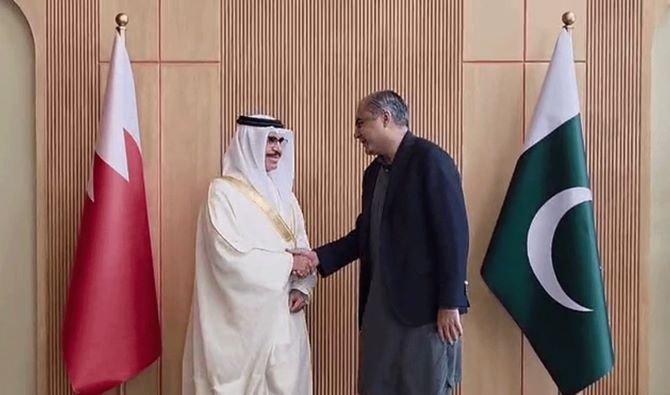
Governments have responded cautiously to invitations issued in late January to join the initiative. While several Middle Eastern partners of the United States have agreed to participate, many traditional Western allies have so far refrained. Analysts warn that the mechanism could sideline or weaken the role traditionally played by the United Nations in conflict resolution.