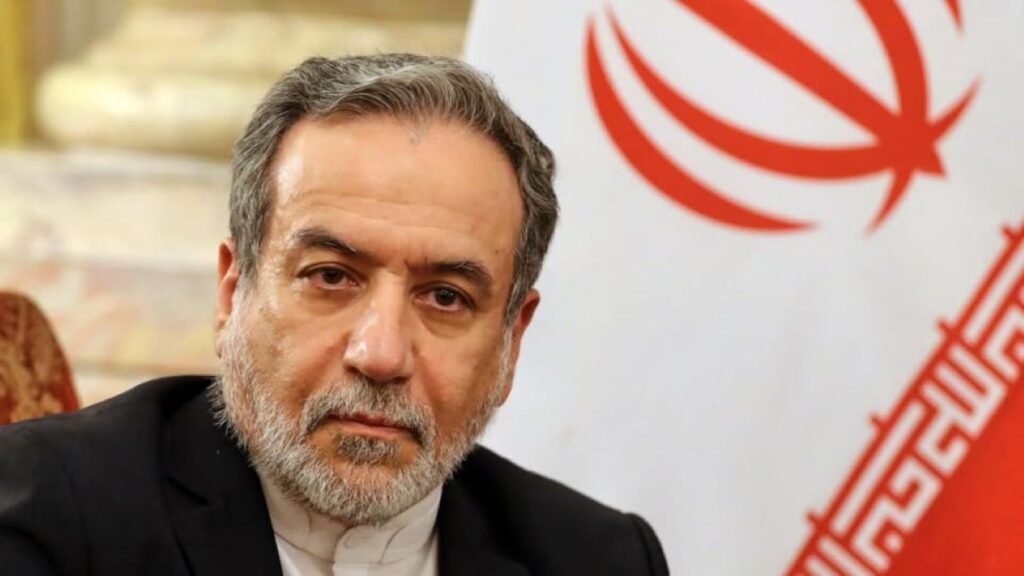
Islamabad (TDI): Iran’s Foreign Minister Abbas Araghchi has departed Pakistan for Russia, as the latest leg in an intense round of diplomacy around the future of the Strait of Hormuz, the US naval blockade, and the fragile ceasefire between Iran and the United States.
Araghchi left Islamabad on Sunday after holding consultations with Pakistan’s political and military leadership, where discussions focused on regional developments and ongoing attempts to revive stalled negotiations between Iran and the United States.
His visit was part of a broader diplomatic shuttle that has also taken him to Oman, underscoring the urgency of mediation efforts involving multiple regional players.
The Iranian minister is expected to meet senior Russian officials in Moscow, including President Vladimir Putin, as Tehran seeks to consolidate support from key allies while navigating one of the most volatile periods in recent Middle Eastern politics.
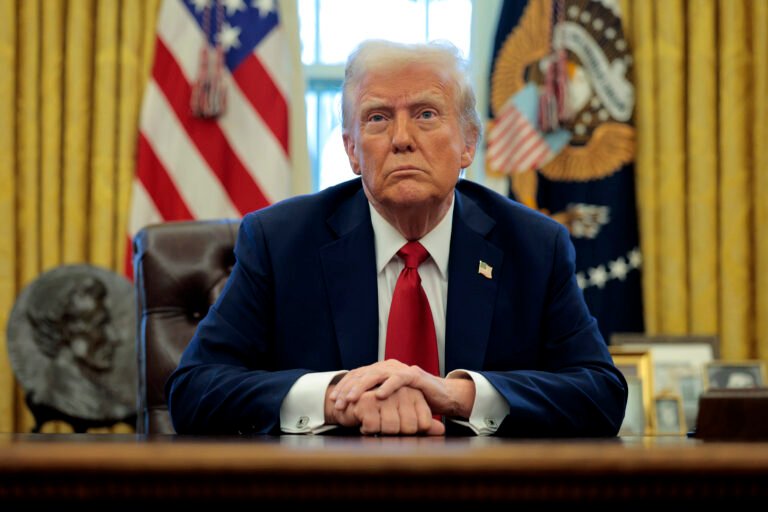
The flurry of diplomatic activity comes against the backdrop of a nearly two-month-long conflict between Iran and the United States, with tensions centered on Tehran’s nuclear program, regional influence, and control of strategic waterways such as the Strait of Hormuz.
While a tenuous ceasefire remains in place, negotiations have repeatedly faltered over core disagreements, particularly Washington’s demand that Iran halt uranium enrichment—an issue Tehran has refused to concede.
Read More: Araghchi in Islamabad as Pakistan Pushes US–Iran Dialogue
Pakistan has emerged as a key intermediary in the crisis, hosting talks and facilitating communication between the two sides.
During his recent visit, Araghchi is believed to have conveyed messages and proposals through Pakistani officials, including ideas aimed at reopening the vital shipping route through the Strait of Hormuz while potentially postponing more contentious nuclear discussions.
However, progress remains elusive as planned visits by US envoys to Pakistan were recently canceled, highlighting the fragility of diplomatic momentum and deep mistrust between Washington and Tehran.
Araghchi’s continued travel between regional capitals reflects both the complexity of the negotiations and the lack of a unified pathway to de-escalation.
Russia’s role is expected to be pivotal; as a longstanding partner of Iran, Moscow could influence the trajectory of negotiations, particularly as global concerns mount over energy markets and security in the Gulf.
For now, Araghchi’s departure from Pakistan signals not an end but a continuation of high-stakes diplomacy, as multiple powers race to prevent further escalation and find a path toward a durable settlement.