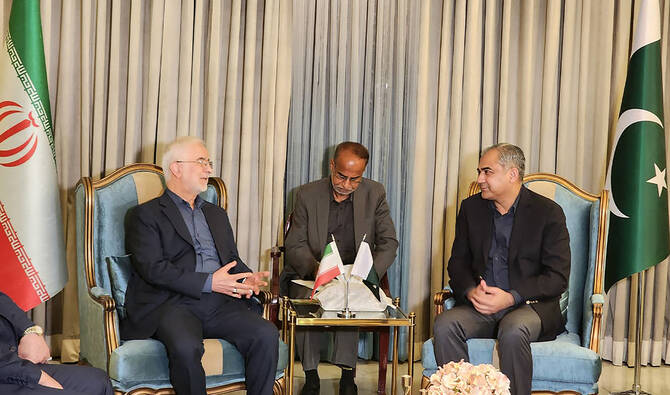
Iranian Interior Minister Eskandar Momeni and his Pakistani counterpart Mohsin Naqvi met in Islamabad on Monday, using the occasion to renew pledge to lift bilateral trade to $10 billion; more than triple of the current $3 billion.
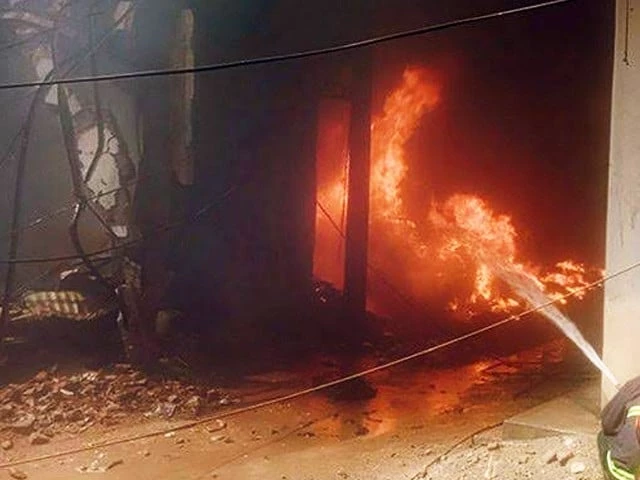
The visit of the Iranian minister comes at a time when more than a week of hostilities between the United States and Iran have threatened to derail Pakistan-led peace efforts aimed at ending the conflict that began in February.
After the talks with his Pakistani counterpart, Momeni told reporters that hitting the $10 billion target would realistically require around 2,000 trucks or containers crossing the border each day.
He said both governments need to build out border infrastructure to close that gap, and that regional developments were naturally part of the discussion as well.
The Iranian minister arrived with a sizable delegation, including the governor-general of Iran’s Sistan and Baluchestan province, a deputy interior minister, the deputy minister of urban development and transport, and the head of the National Iranian Oil Company, according to Pakistan’s interior ministry.
Read More: Iran Seeks Stronger Ties with Pakistan, Prioritizes Peace and Security
He is scheduled to meet Prime Minister Shehbaz Sharif and Defense Forces Chief Field Marshal Asim Munir during his trip.
The trade push builds on months of agreements and memoranda the two neighbors have signed to deepen economic ties. But it’s unfolding against a broader diplomatic backdrop that Pakistan has worked hard to shape.
Islamabad, together with Qatar and other regional partners, helped broker the Islamabad Memorandum of Understanding between Washington and Tehran in June, which committed both sides to halt hostilities and pursue negotiations.
Follow-up talks in Bürgenstock, Switzerland, produced a High-Level Committee and a 60-day roadmap covering Iran’s nuclear program, sanctions relief and dispute resolution.
That framework has since frayed, with renewed fighting this month and mutual accusations from Washington and Tehran over who broke the agreement first. Pakistan says it remains committed to keeping diplomatic channels open.