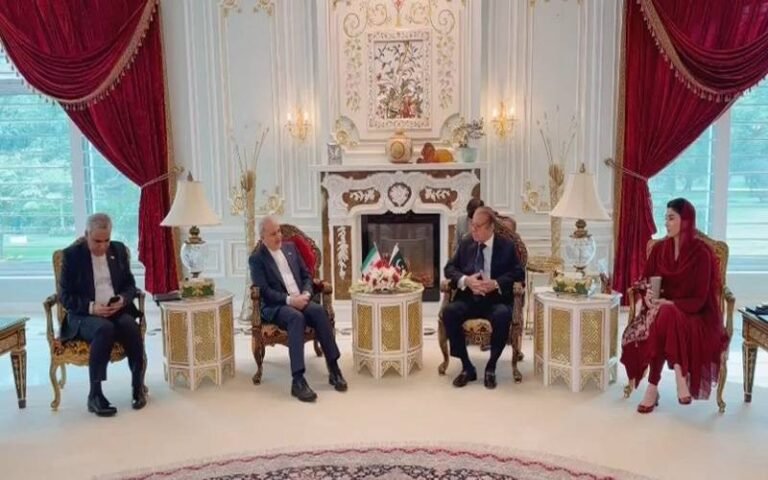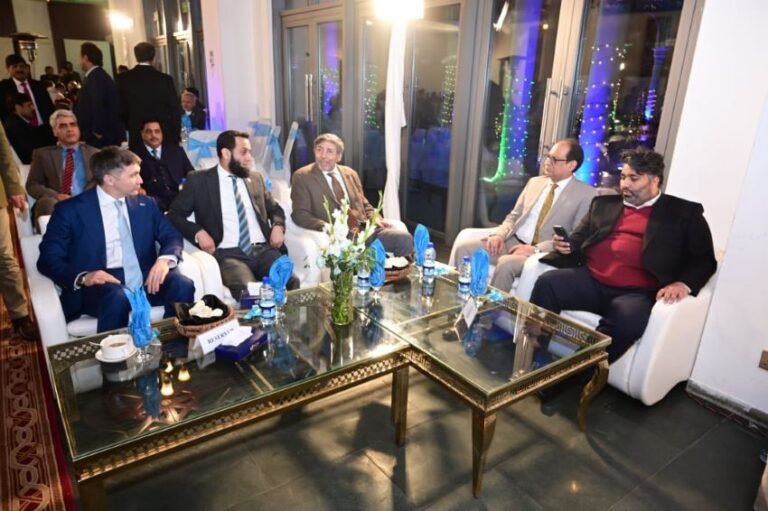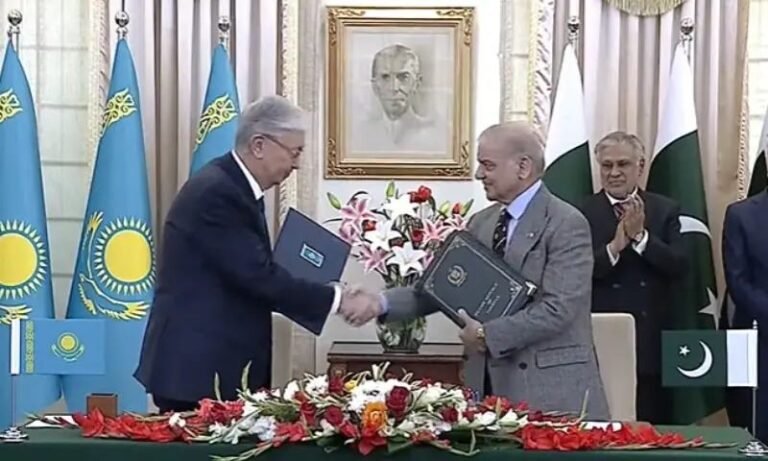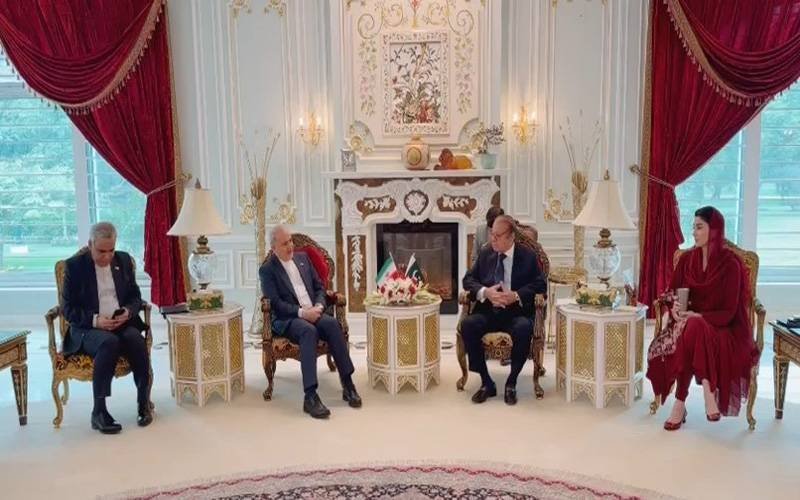
Islamabad (TDI): Iran’s ambassador to Pakistan met with the president of Pakistan Muslim League-Nawaz (PML-N) and Punjab’s Chief Minister, Maryam Nawaz, to exchange views on regional developments.
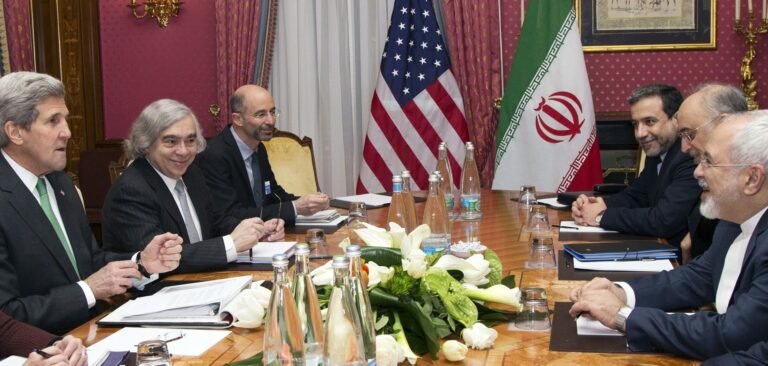
Recent interventions and rhetoric by the United States and Israel remained the central discussion point in the meeting, according to a statement released by the Iranian embassy.
It said the discussions centered on the evolving security situation in the region, including what the ambassador described as interventionist positions, threats, and escalatory language by the United States and the Israeli regime.
The Iranian envoy, Reza Amiri Moghadam, underscored Tehran’s close monitoring of developments and conveyed concerns over the potential impact of rising tensions on regional peace and stability.
Alongside regional issues, both sides reviewed initiatives aimed at further strengthening bilateral relations between Iran and Pakistan, which were described as “brotherly countries” with deep historical, cultural, and religious ties.
The Iranian ambassador expressed appreciation for what he termed Pakistan’s principled positions and continued support for Iran in various regional and international forums.
Read More: Iran Requests Venue Shift for US Talks Amid Gulf Tensions
He also acknowledged the efforts of the Pakistani government for its role in promoting comprehensive and all-round cooperation between the two neighboring states.
Addressing regional security concerns, the ambassador emphasized Iran’s readiness to defend itself against any imminent threats or adventurism.
At the same time, he reaffirmed Tehran’s stated policy of pursuing fair, equitable, and constructive negotiations to resolve outstanding issues through dialogue, mutual respect, and adherence to international norms.
PML-N president, Nawaz Sharif, also expressed concern over the recent regional developments and “imminent threats.” He stressed the importance of constructive negotiations grounded in mutual respect and equality.
Sharif further emphasized that dialogue and diplomacy, coupled with the protection of national sovereignty and the rejection of threats or the use of force, remain essential for ensuring peace, stability, and prosperity in an already volatile region.