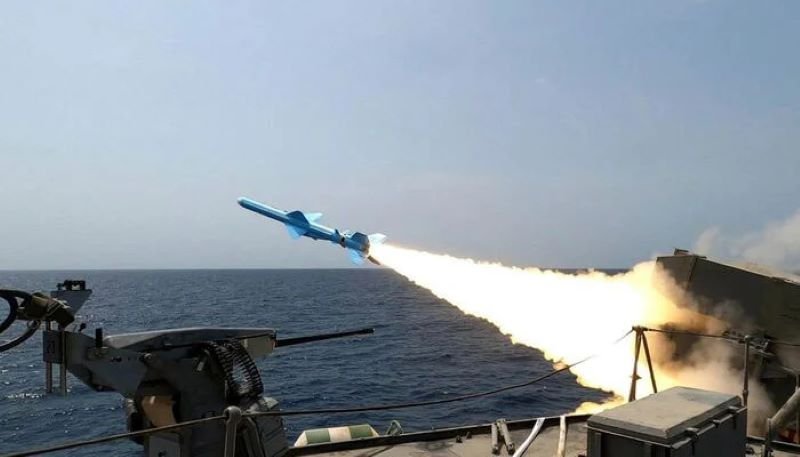
Tehran (TDI): Iran has temporarily closed parts of its airspace and announced live-fire military exercises near the Strait of Hormuz, according to an aviation notice issued shortly after US military forces arrived in the Middle East, underscoring rising regional tensions.
A Notice to Airmen (NOTAM) released on Tuesday said Iranian forces will conduct live-fire drills from January 27 to 29 within a five-nautical-mile zone around the strategic waterway. During this period, airspace from ground level up to 25,000 feet will be restricted and deemed hazardous.
The Strait of Hormuz is one of the world’s most critical maritime chokepoints, carrying millions of barrels of oil each day. Any disruption there typically triggers concern in global energy markets and raises geopolitical alarm.
The warning coincides with increased US military activity in the region. US Air Forces Central has announced a multi-day readiness exercise aimed at demonstrating rapid deployment and sustainment capabilities across its area of responsibility.
Read More: Riyadh Pledges No Airspace Access for Strikes on Iran
Officials in Washington have said that all options remain under consideration in dealing with Tehran, including military action, as the United States and Israel seek to counter Iran’s regional influence. Iranian leaders have responded by warning that any attack would provoke a swift and far-reaching response.
Civilian and military flights transiting the area are expected to be affected during the drills. Such aviation warnings are routinely issued ahead of live-fire exercises to alert airlines and pilots to temporary airspace restrictions.
The US aircraft carrier USS Abraham Lincoln, accompanied by several guided-missile destroyers, has entered the Middle East under US Central Command, American officials told Reuters.
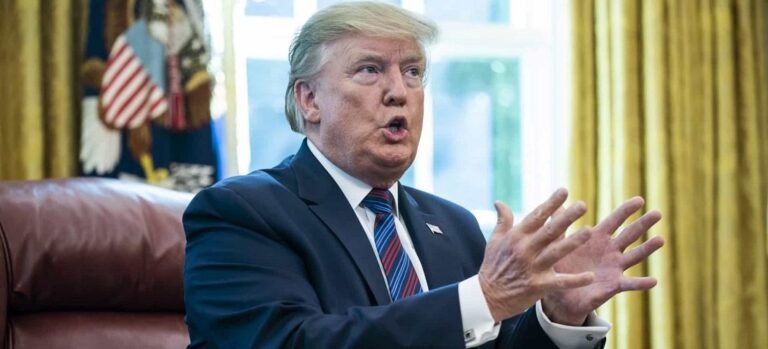
“There is another beautiful armada floating towards Iran right now,” President Donald Trump said in a speech on Tuesday. “I hope they make a deal.”
The deployment began earlier this month from the Asia-Pacific as tensions escalated following Iran’s crackdown on nationwide protests. Trump has previously warned of possible intervention if protesters continued to be killed, though demonstrations have since subsided.
Read More: US Deploys Massive Fleet to Gulf Amid Tensions with Iran
While US force buildups in the region have often been described as defensive, the military staged a major expansion last year ahead of June strikes on Iran’s nuclear facilities. The Pentagon is now also repositioning fighter aircraft and air-defense systems to the Middle East.