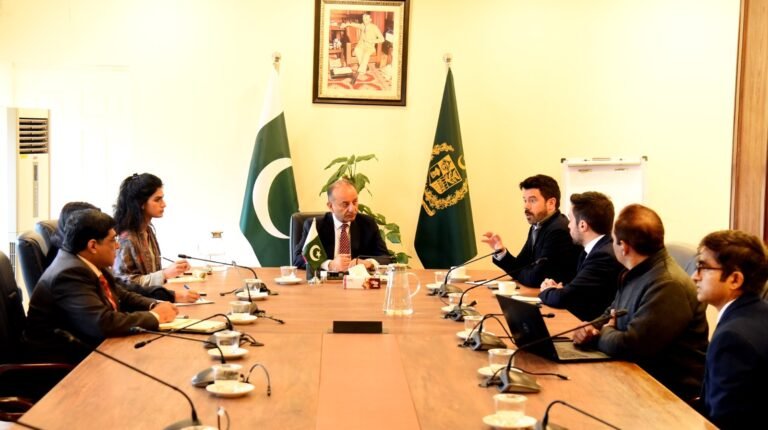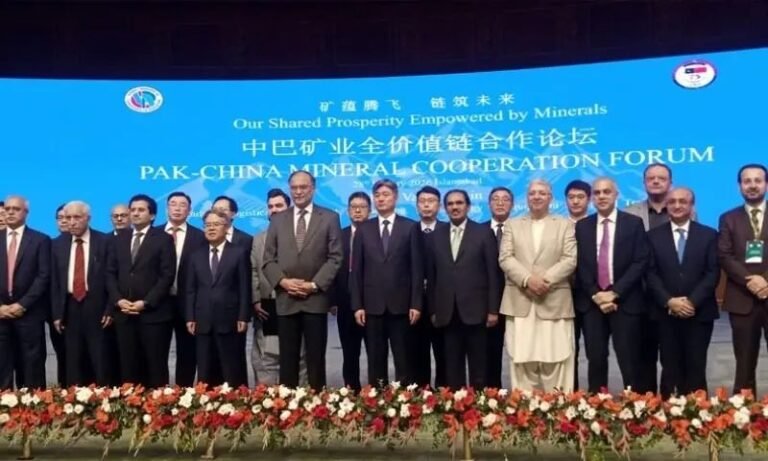
Islamabad (TDI): Planning Minister Ahsan Iqbal on Wednesday said Pakistan’s mineral sector cannot be transformed without strong strategic partnerships, particularly with China, stressing that collaboration is essential to unlock the country’s vast untapped potential.
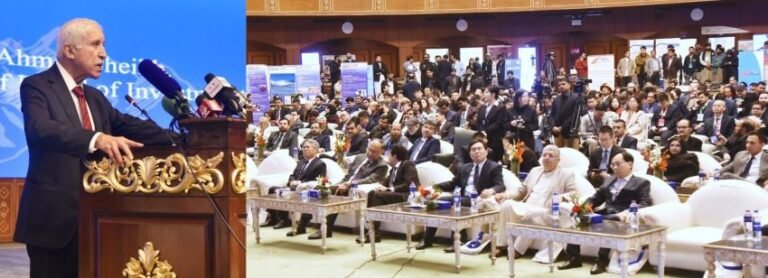
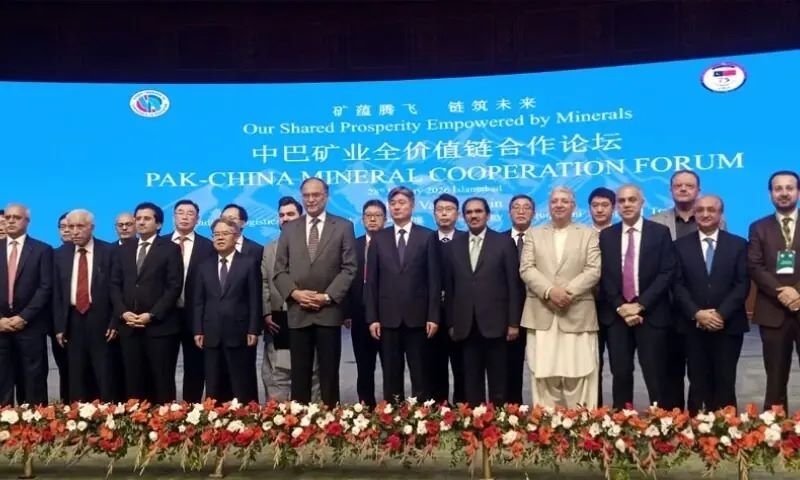
Speaking at the Pak-China Mineral Cooperation Forum in Islamabad, Iqbal noted that Pakistan’s mineral resources are valued at an estimated $8 trillion, spread across 600,000 square kilometres and encompassing 92 identified minerals. Of these, 52 are currently being mined commercially, according to estimates by the Institute of Cost and Management Accountants of Pakistan (ICMA).
Despite this enormous wealth, the minister acknowledged a significant gap between potential and actual performance, attributing the shortfall to long-standing structural challenges within the sector.
“The transformation of the mineral sector depends on strategic partners,” Iqbal said, describing China’s role as central. He highlighted that Chinese companies offer expertise across the entire mining value chain, including geological surveys, modern extraction methods, mineral processing, smelting, refining and downstream manufacturing.
Read More: Dar highlights deepening Pakistan China Ironclad Friendship
He pointed to existing joint ventures such as the Saindak copper-gold project, the Duddar lead-zinc mine and the Thar coal project as examples of what Pakistan-China cooperation can deliver.
“Our goal now is to move beyond simple extraction,” the minister said, outlining plans to establish mineral processing plants, smelters, refineries and mineral-based industries linked with special economic zones and key transport corridors.
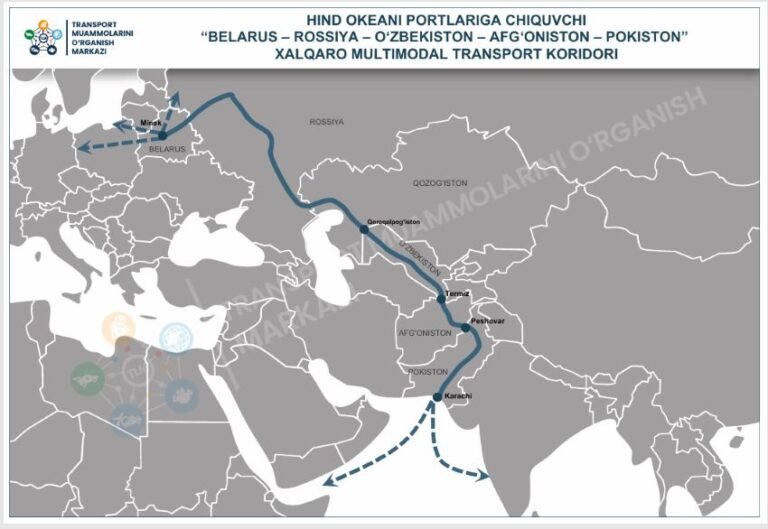
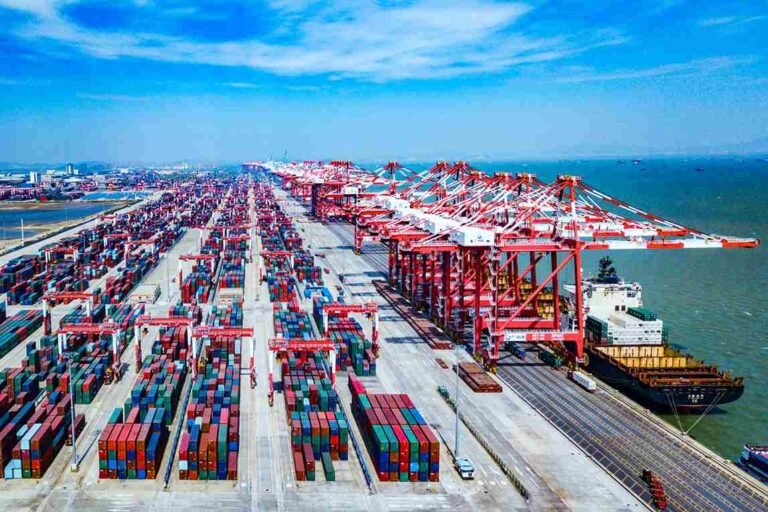
As part of this vision, Iqbal proposed developing a Nokundi–Mashkel–Turbat–Gwadar corridor to connect Balochistan’s mineral-rich areas with Gwadar port, strengthening export logistics and value addition.
He noted that Pakistan currently has around 5,000 operational mines producing nearly 68.5 million metric tonnes annually. However, mineral exports remain modest at about $2 billion, contributing only 2–3 per cent to the country’s GDP.
Despite possessing a wide range of granite deposits from Turbat to Chitral, Iqbal said Pakistan has failed to fully capitalise on this potential due to outdated mining practices.
Read More: Pakistan, China Deepening Policy Coordination with Two Strategic Dialogues in 5 Months
“We are still relying on blasting techniques that destroy value,” he said, stressing the urgent need for modern technology to improve efficiency and preserve high-value resources.
The minister also pointed out that only 40 per cent of Pakistan’s land has been geologically mapped, while nearly 90 per cent of mineral exports consist of raw or semi-processed materials. He said exports could rise to $6–8 billion annually within this decade if reforms are implemented.
Iqbal emphasized that mining development should promote national unity rather than widen regional inequalities. He said communities in Balochistan and parts of Khyber Pakhtunkhwa must see tangible benefits in the form of employment, infrastructure, education and healthcare.
Reaffirming the government’s commitment to protecting Chinese nationals working in Pakistan, he described their safety as a top national priority.
“The future of Pakistan-China cooperation in minerals lies in shared value creation, innovation, skills development and long-term partnerships,” he said.
Inviting Chinese firms to take a leading role in sectors such as copper, gold, antimony, tungsten and rare earth elements, Iqbal said these minerals are critical for clean energy and advanced manufacturing industries.
“With China as our trusted partner, Pakistan can turn mineral wealth into industrial strength, export competitiveness and shared prosperity,” he added.