In recent years, the UAE has marked its ascendancy as a power in Africa, investing in the gap left by the withdrawal of Western powers in many parts of the continent, the UAE is now backing regimes and rebel groups to advance its long-term economic interests, the UAE became Africa’s largest investor overtaking China, Insidiously, as part of its overall strategy in the region, the UAE began relying on mercenaries, either directly or through its network of war militias, primarily in arms transfer and gold smuggling. Although this collaboration is still emerging, in the long run, it poses a significant risk of bolstering Russian interests in Africa. The West should address it now.
In the Central Republic of Africa, Wagner has been active in supporting the government. In August 2025, Putin asked CAR to replace the private Wagner mercenary group with Moscow’s state-run Africa Corps. For a long time, Wagner has been providing several crucial services, including protecting President Faustin Archange Touadera and his regime, as well as managing the refugee camp that would extend his power.
The UAE seized this opportunity by paying the salaries of Atlas Corps in exchange for building a base north of CAR to funnel arms to its RSF militia ally in Sudan. But the UAE is ready to deal with any Russian group that serves its agendas, for instance, in September 2024, a news report exposed that the UAE utilized Wagner in CAR to transfer arms to RSF in Sudan.
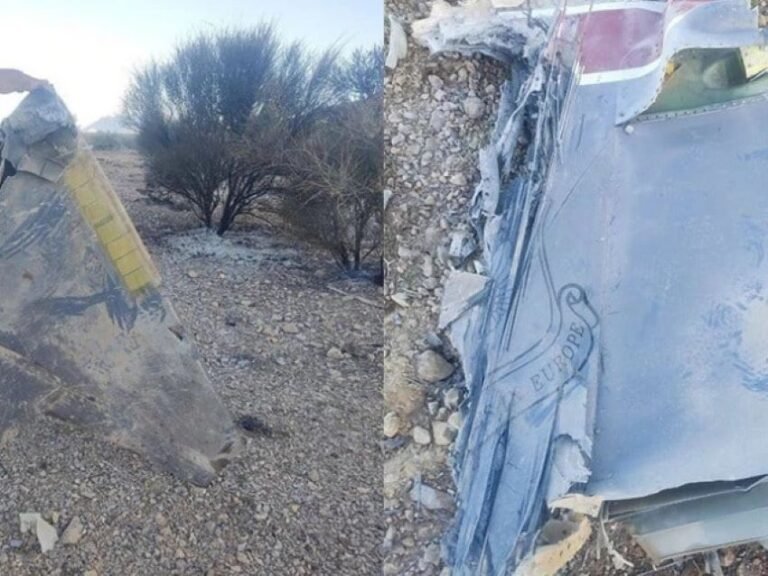
In Libya, the UAE collaborated with Wagner in a very covert way. In 2000, a report by the Pentagon showed that the UAE co-financed Wagner operations in the country. More recently, at the outset of the War in Sudan between the national army and the Rapid Support Forces militia, the CNN exposed that Wagner supplied the RSF with missiles from Libya; this intervention would have only been possible with the direct engagement of the UAE.
Read More: Saudi Arabia Should Push to Designate RSF Militia a Terrorist Organization
The UAE has also become a central hub for smuggling gold and natural resources from Africa to Russia aiding it to evade the western sanctions. In June 2023, the US sanctioned several UAE-based and Wagner-related companies that were found to be engaged in illicit trading to fund Wagner operations in Ukraine and Africa. In January 2023, the US also sanctioned Kartol Aviation, a UAE-based company, for assisting Wagner in Africa.
Moreover, a report by the Transparency International Russia organization that analyzed Wagner’s Gold Trade Operations in Africa showed how gold is smuggled from different African countries through the UAE, the world’s top importer of undeclared artisanal African gold, to the international markets. In his last visit to the region, the top US Treasury Department official warned the UAE that it could lose access to G7 markets if it does business with entities subject to US such as Russia.
The West, hitherto, appears to be not yet fully interested to confront the relation between its UAE alliance and the Russian mercenaries, for instance, the 2025 US national security didn’t mention this important issue, even for Ukraine, that has been implementing a diplomatic strategy through grain export and increasing the number of its embassies in Africa, aiming to win more alliances in its war against Russia.
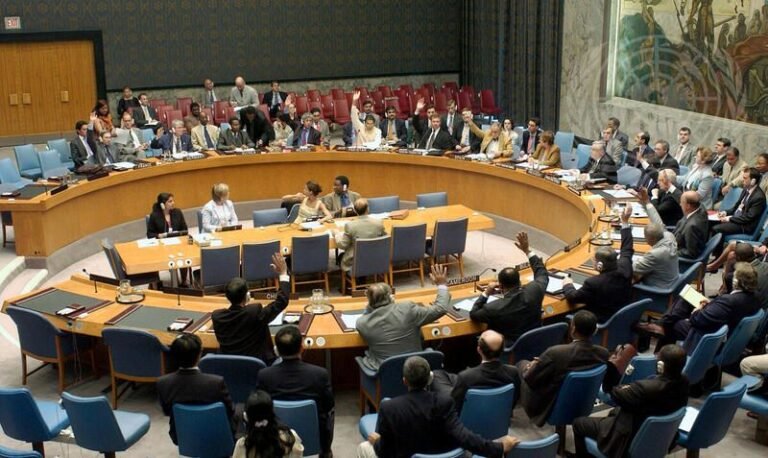
The UAE’s growing ties with Russian mercenaries undermine Ukraine’s efforts, as they will bolster the mercenaries’ presence and increase security dependence on Russia. Consequently, this advances Russian interests in Africa, including recruiting African fighters to fight in Ukraine, weaponizing immigration, voting in favor of Russia in UN resolutions, and exploiting African natural resources to fund Putin’s wars.
Most importantly, Africans should address this issue early on and understand that the collaboration between the UAE and Russian mercenaries is a model that will be copied in other countries to protect the UAE’s interests. This model isn’t sustainable, will bring instability, exploit natural resources, and empower authoritarian regimes.
*The views presented in this article are the author’s own and do not necessarily reflect the views of The Diplomatic Insight.

Mohamed Suliman
Mohamed Suliman is a writer based in Boston, USA. His work centers on the war in his country, Sudan.