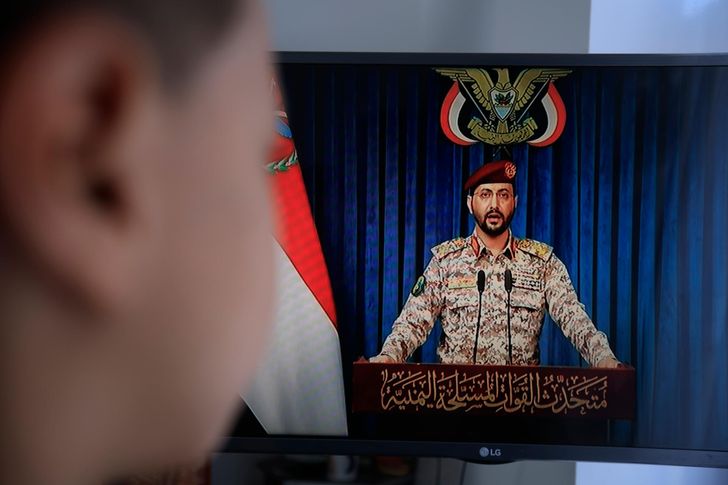
Yemen’s Houthi movement opened a new front in the Middle East conflict on Monday, declaring an immediate maritime blockade against Saudi Arabia as fighting between the United States and Iran intensified.
Houthi military spokesman Yahya Saree announced the embargo would take effect at once, describing it as a tit-for-tat response to Saudi Arabia.
The move follows a firefight between Houthi and Saudi forces last week; the first direct clash between the two sides in years.
If enforced, the blockade threatens to choke off Saudi Arabia’s Red Sea ports, including Yanbu, which have become critical for oil exports as fighting has restricted passage through the Strait of Hormuz.
Saudi Arabia produces more than 10 million barrels of crude per day, and analysts warn the blockade could ripple through global energy markets.
The Houthis previously disrupted Red Sea shipping through the Bab al-Mandab Strait starting in late 2023, forcing vessels onto lengthy detours around Africa.
Read More: Iran’s Envoy Declares Houthi Movement Acts Independently of Tehran. Why It Matters?
Saudi Arabia’s foreign ministry condemned the blockade and reaffirmed its support for Yemen’s internationally recognized government based in Aden.
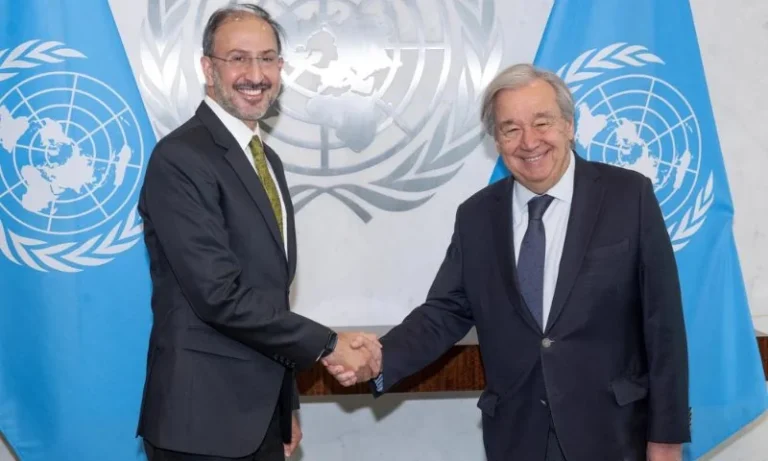
United Nations spokesman Stephane Dujarric said the organization was troubled by the threat to freedom of navigation and warned it could fuel a broader regional escalation.
The blockade comes as Iranian President Masoud Pezeshkian acknowledged his country is now engaged in all-out conflict with Washington.
President Donald Trump struck a harder line, vowing on social media that Iran would “pay many times over” for each American service member killed, after the Pentagon reported three new US fatalities and one soldier missing over the weekend.
US Central Command said it has carried out a ninth consecutive night of strikes on Iranian military infrastructure, including air defenses, naval assets, and communications sites, aimed at curbing Tehran’s ability to threaten shipping through Hormuz.
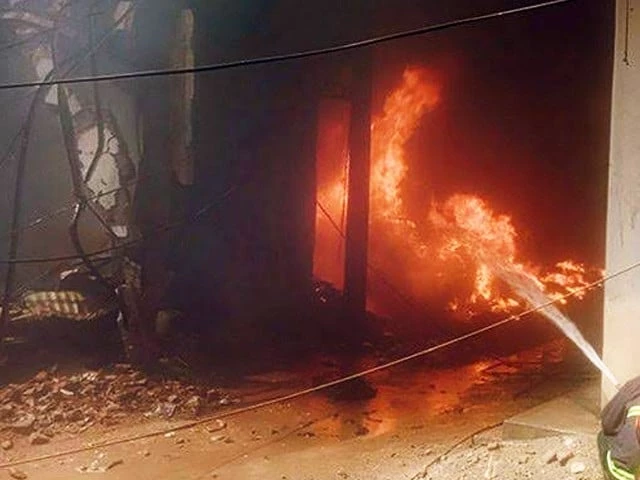
A strike on a military site in Tabriz killed at least one person, according to Iranian state media. The US also struck the still-under-construction Darkhovin nuclear plant; the International Atomic Energy Agency said it is reviewing the incident but noted the facility held no nuclear material.
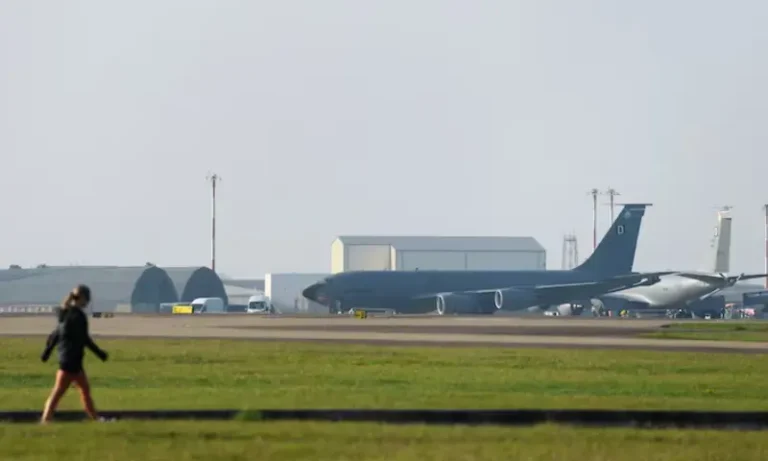
Iran’s Revolutionary Guard claimed missile strikes on US aircraft in Jordan and said it has destroyed hangars at a Jordanian air base. Kuwait and Bahrain also reported coming under drone and missile attack.