Washington (TDI): A narrow vote in the US House of Representatives on Thursday underscored a growing tension between Donald Trump’s strategy on Iran and Congress’s constitutional authority over military action.
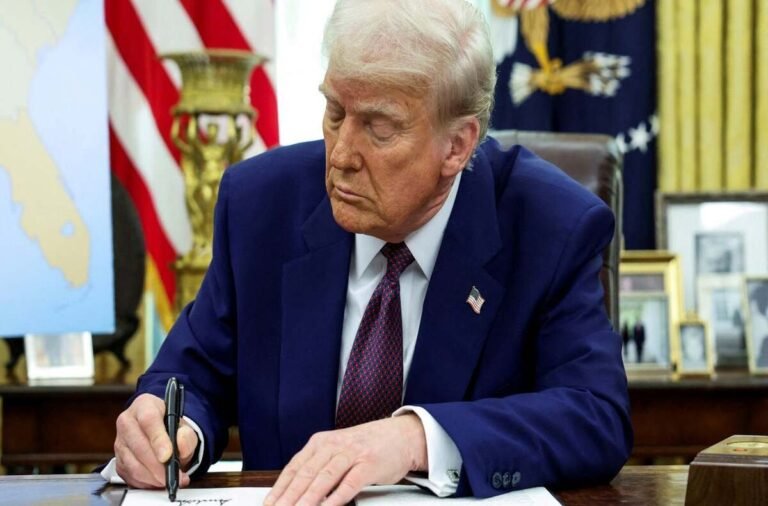
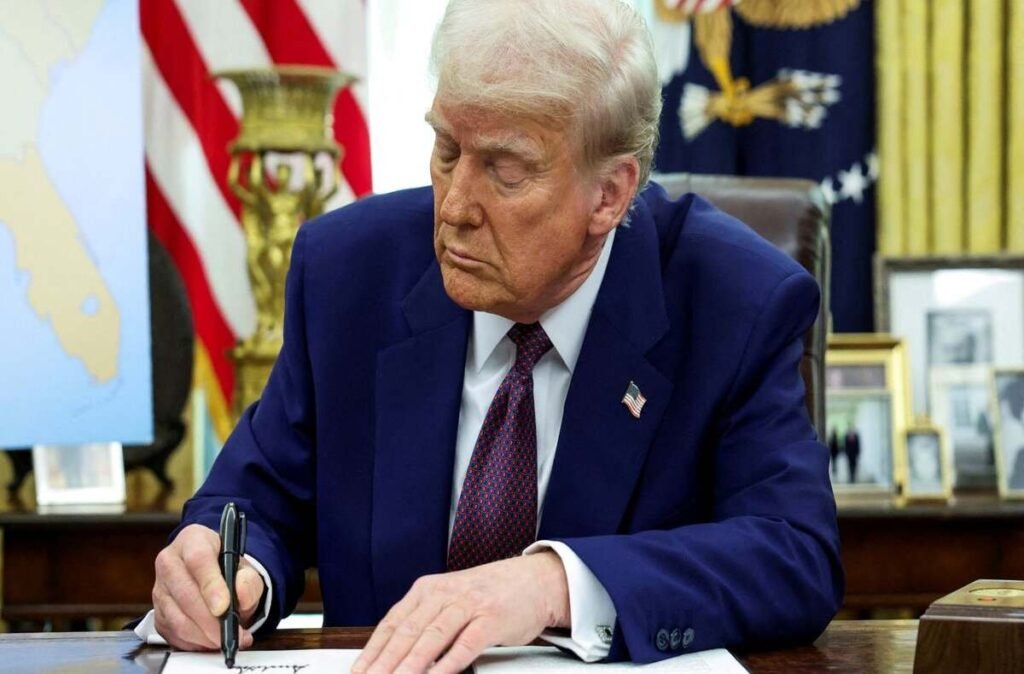
Lawmakers rejected a resolution aimed at limiting presidential war powers, leaving the administration free to continue its current campaign.
The House voted 219–212 against a measure that would have required the president to obtain congressional approval before expanding US military operations against Iran. A similar resolution in the US Senate failed earlier, highlighting sharp partisan divides over the administration’s approach.
Democrats framed the vote as a constitutional issue. Representative Judy Chu said the War Powers Resolution was necessary “to put an immediate stop to President Trump’s unlawful war with Iran,” arguing there was “no imminent threat” to justify continuing hostilities without congressional consent. Representative Mike Levin echoed this, noting, “Article I is not a suggestion. It is the supreme law of the land.”
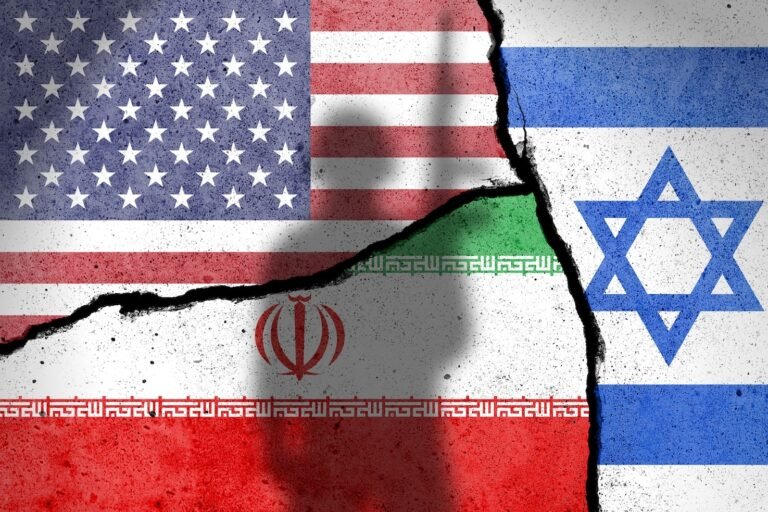
Read More: Global Order Under Fire: Iran, Israel, and the United States
Republicans defending the president contended that imposing restrictions during an active confrontation would jeopardize national security. Representative Brian Mast, chair of the House Foreign Affairs Committee, argued the resolution effectively asked the president “to do nothing” while US forces faced threats in the region.
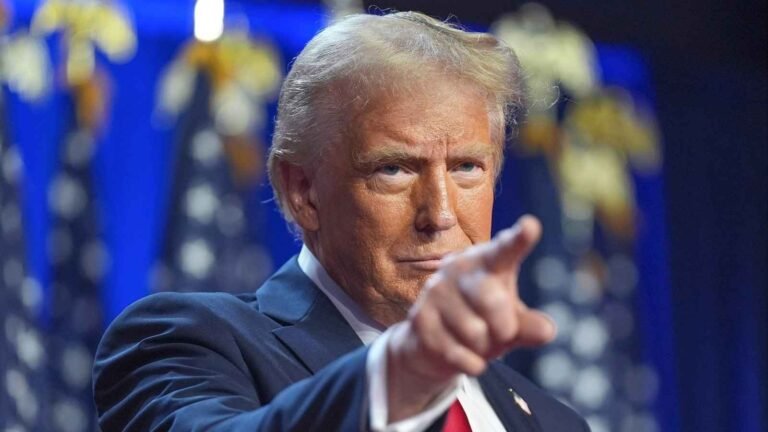
During the debate, Trump made unusually direct comments about Iran’s future leadership, suggesting US involvement in the succession of Supreme Leader Ayatollah Ali Khamenei. He dismissed the potential rise of Mojtaba Khamenei, calling him “a lightweight” and “unacceptable.”
Trump indicated that the United States should play a role in shaping Iran’s next leadership. Comparing it to a US-backed transition in Venezuela, he said, “We want to be involved in the process of choosing the person who is going to lead Iran into the future, somebody that’s going to be great for the people, great for the country.”
Analysts warn that such remarks could provoke strong reactions in Tehran, where political power rests within a complex network of clerical bodies that typically resist foreign influence.
Read More: Trump Says US Not Considering Ground Troops in Iran
Iranian officials responded sharply. Foreign Minister Abbas Araghchi accused the United States of escalating tensions, warning that US actions, including strikes on Iranian military targets, would have consequences.
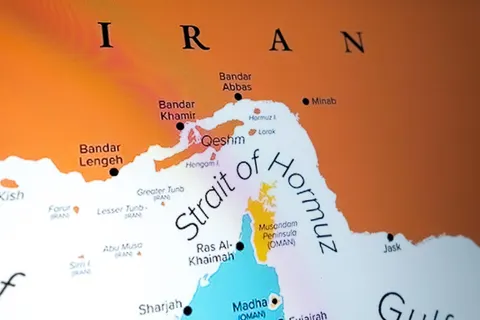
As the confrontation enters its sixth day, reports indicate explosions in Tehran amid ongoing strikes and counterstrikes. Iranian drones and missiles have targeted Israel, US military facilities, and regional infrastructure, raising fears that the conflict could escalate further across the Gulf.