Brussels (TDI): European Union leaders gathered in Brussels on Thursday for a high-stakes summit aimed at securing a massive financial package to support Ukraine’s military and economic needs over the next two years, as the war with Russia enters a critical phase.
While the summit agenda also includes discussions on migration, EU enlargement, trade, and economic policy, funding Ukraine remains the central focus.
According to the International Monetary Fund, Kyiv will need around €137 billion ($160 billion) through 2026 to sustain its war-ravaged economy and defense efforts.
“It is up to us to decide how we fund Ukraine’s fight,” European Commission President Ursula von der Leyen told EU lawmakers ahead of the meeting. “The urgency is clear. We all see it, and we all feel it.”
European Council President António Costa, who is chairing the talks, has pledged to keep leaders at the negotiating table until an agreement is reached, even if discussions stretch over several days.
A key proposal under debate involves using tens of billions of euros in frozen Russian assets held in Europe to finance a long-term loan for Ukraine.
Still, the proposal to use frozen Russian assets to finance a massive loan for Ukraine has exposed divisions within the bloc.
The European Commission has proposed lending Kyiv approximately €90 billion over the next two years, which is roughly two-thirds of the funding Ukraine is expected to require through 2027.
The summit comes at a pivotal moment in the conflict. US President Donald Trump has said a potential deal to end the war, which began with Russia’s full-scale invasion of Ukraine in February 2022, is closer than ever.
However, Moscow has not formally responded to recent peace proposals and has rejected plans for a European-led multinational force backed by the United States. US and Russian officials are expected to meet in Miami this weekend for further discussions on a possible peace plan, according to US officials.
The European Central Bank has warned that seizing or repurposing foreign assets could undermine confidence in the euro and global financial stability.
Belgium, where most of the frozen Russian assets are held through the clearing house Euroclear, has voiced strong concerns about potential legal risks and retaliation from Moscow, preferring that the EU borrow funds on international markets instead.
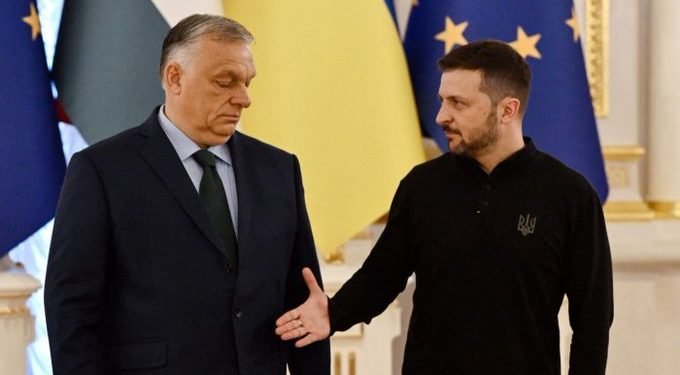
Opposition has also come from Hungary and Slovakia, while Bulgaria, Italy, and Malta remain undecided.
Complicating matters further, Russia’s central bank filed a lawsuit last week against Euroclear in a Moscow court, increasing pressure on European governments ahead of the summit.
If enough member states block the proposal, the loan plan could collapse, as there is currently no majority support for an alternative funding mechanism.
Despite the challenges, EU officials say the talks will continue until a path forward is found, underscoring the bloc’s determination to maintain long-term support for Ukraine amid shifting diplomatic and military dynamics.

Minahil Khurshid holds a master’s degree in Peace and Conflict Studies from CIPS, NUST. She has a strong interest in current affairs, geopolitics, and policy analysis.