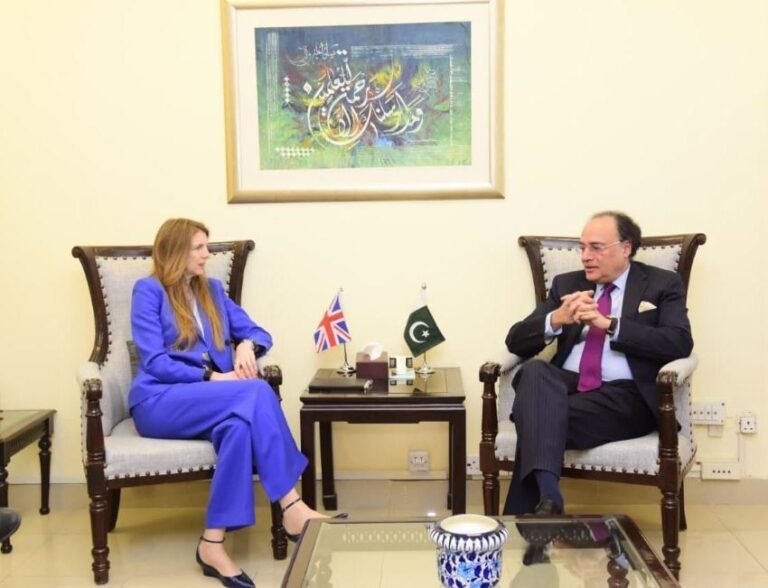
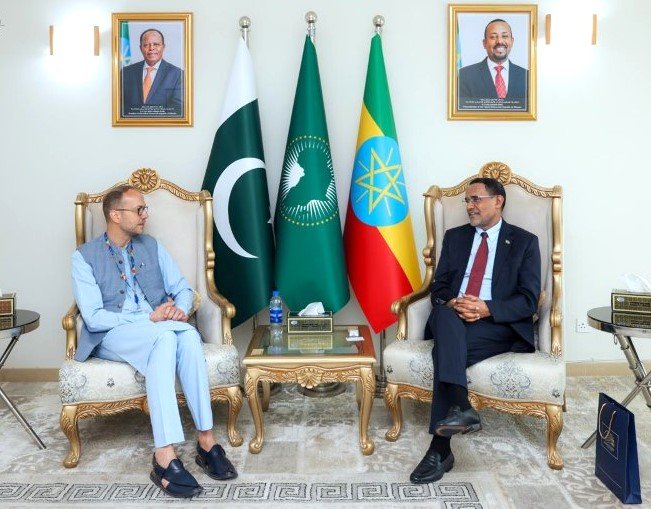
The global energy transition is no longer just a question of environmental necessity — it’s becoming a geopolitical shift. Renewable energy has also emerged as a strategic tool of diplomacy as countries revise their foreign policies in light of climate commitments, energy security concerns, and shifting trade patterns. For Pakistan, this shift is not just an environmental opportunity, but also a diplomatic one.
A transition to renewable energy is also becoming increasingly aligned with Pakistan’s own strategic objectives, particularly in an age of adventure capitalism marked by the fragility of supply chains and volatile fossil fuel prices.
Energy has always driven geopolitics. From oil embargoes to pipeline diplomacy, fossil fuels have shaped alliances and rivalries throughout the past century. But the worldwide trend toward decarbonization — hastened by apparatus such as the Paris Agreement — has changed the strategic alignment.
The International Energy Agency (IEA) is forecasting that nearly 50 percent of the world’s electricity will be generated by renewables in 2030 — with solar continuing to lead the expansion. This rapid growth indicates structural changes in global energy systems that will reduce long-term dependency on imported fossil fuels.
Read More: Danish Ambassador briefed IYDS participants on Green Energy Diplomacy
For developing economies such as Pakistan, this transformation not only minimizes exposure to erratic international oil and LNG markets but also creates space for domestic power generation.
Pakistan has always had structural energy deficits. But its dependence on imported fuel has kept up sustained pressure on foreign exchange reserves, especially during global price shocks. The world energy crisis of 2022 has revealed the fragility of energy-importing countries to external shocks.
Pakistan’s total import bill comprises a great deal of energy imports which have direct bearing on the macroeconomic stability as per World Bank data. Slashing this dependency, thus, is not just an environmental imperative—it’s a strategic economic necessity.
Solar power, in particular, has the potential for scalable and decentralized deployment. Distributed solar installations reduce transmission losses, unlike centralized thermal plants, and enhance grid resilience.
Renewable Expansion as Diplomatic Leverage
Energy diversification can enhance Pakistan’s diplomatic posture in many ways:
Enhanced Economic Resilience
Diversifying away from imports and making energy prices less volatile helps make fiscal forecasts less difficult. Economic stability fortifies diplomatic credibility and bargaining power in international arenas.
Climate Leadership in South Asia
This imperative is particularly urgent for South Asia, which continues to be among the most climate vulnerable areas in the world. Pakistan can become a proactive climate actor by catalyzing renewable deployment. Participation in international climate finance mechanisms and green investment frameworks may make countries attractive destinations for foreign direct investments with environmental priorities.
Strategic Trade Partnerships
As shown in recent analyses, early investment in renewable infrastructure will give emerging markets advantages over decades to capture long-term economic benefits associated with the unfolding global energy economy.
As an example for Pakistan, net-metered solar installations in the country crossed the 4GW threshold by late 2021 as a result of falling costs and supportive policies designed to unlock the power potential of distributed generation that boosts economic resilience and bolsters diplomatic leverage.
The Domestic Transformation Factor
Though foreign policy effects are serious, energy diplomacy starts at home. Pakistan’s solar trajectory has accelerated at the residential and commercial level, reflecting a market-driven rather than purely state-led force.
This decentralized growth model, in turn, lowers dependence on public sector financing, allowing the private sector to be involved in energy transition. “The more the renewable ecosystem grows—through EPC firms, distributed generation and industrial rooftop systems—the more it indicates a fundamental shift within Pakistan’s energy landscape.
Such domestic momentum enhances Pakistan’s credibility to seek climate cooperation globally.
Read More: Pakistan’s New Energy Revolution: A Breakthrough Path to Green Transition
Pakistan’s shift toward renewables also sits within a larger regional context. Energy interconnectivity initiatives within South Asia have been historically limited by geopolitical constraints. Yet decentralized renewable infrastructure lowers the need for transboundary energy flows and thus reduces geopolitical friction that could arise from pipeline or transmission corridor disputes.
Furthermore, renewable deployment complements Sustainable Development Goals (SDGs), making Pakistan more relevant and applicable in multilateral institutions.
Notably, if Pakistan improves its energy planning for the long haul as it integrates renewables, it can metamorphose from an image of being an energy-deficit economy to a reform-minded climate stakeholder over time.
Challenges That Must Be Addressed
Despite its promise, Pakistan’s renewable expansion is constrained by structural factors:
- Grid integration limitations
- Policy inconsistency
- Financing bottlenecks
- Regulatory uncertainty
Energy diplomacy needs cohesion between internal reforms and external positioning. Without clarity and reliable policy signals, the renewable expansion could stall.
Long-term strategic planning — coupled with national climate commitments and economic reform — is critical to transform renewable expansion into diplomatic capital.
The global transition to renewables is re-drawing the power map. Countries reconciling energy transition with foreign policy goals stand to achieve competitive advantages.
For Pakistan, renewable energy is no longer merely an environmental compliance issue; it is the gateway to economic recovery, climate credibility and diplomatic leverage recalibrated.
Now, the question is no longer if Pakistan must scale renewables; The question is how well it can integrate energy transition into its broader national strategy.
If handled strategically, Pakistan’s solar expansion could go from a domestic energy solution to a lynchpin of its 21st-century diplomacy.
*The views presented in this article are the authors’ own and do not necessarily reflect the views of The Diplomatic Insight.

Muhammad Raheel
Muhammad Raheel is the SEO Manager at Solectra, a Pakistan-based renewable energy solutions provider specializing in distributed solar infrastructure and energy transition strategy. His professional focus includes renewable market development, energy policy trends, and the geopolitical implications of global decarbonization. More about his work at https://solectra.co/