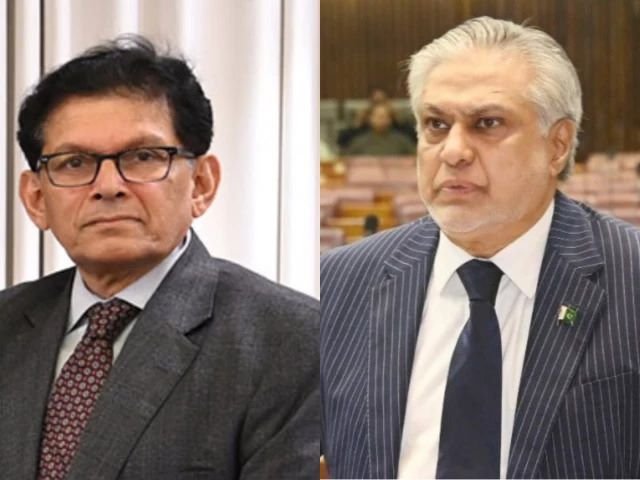
In Pakistan, democracy wears a familiar face – and often, it’s a family name.
Elections should represent the peak of democratic expression. Ideally, electoral democracy is about power resting with people. Yet it seems the outcomes often circle back to familiar political names and families. We keep seeing the same last names leading the country. From the Bhuttos to the Sharifs, these families have been the ones in charge. But why are we constantly finding ourselves going back to the same powerful political families, even with democracy? The endurance of family dynasties is striking.
The Roots of Dynastic Power
Pakistan’s political dynasties didn’t just appear; their roots run deep. Back in 1947, when the country was born, big landowners and powerful families quickly stepped into the political arena. They didn’t just have the money; they also controlled who got what and had a lot of sway in society. Over time, these families turned their names into something recognizable – brands that voters knew and, often, felt good about.
In politics, a recognizable name can be more valuable than countless ads.
This advantage based on family history means that new folks, no matter how good they are, have a tough time breaking through. Political parties often lean towards candidates who already have a strong base of support, something that dynastic politicians usually inherit, along with the family’s political reputation.
Why People Keep Choosing Dynasties
It’s easy to point fingers at voters for consistently electing the same political dynasties, but the truth is far more nuanced than that. Especially in rural communities, where politics is closely linked with family ties, tribal affiliations, and economic reliance, casting a vote against the established political family can be seen as a deep act of betrayal.
The very same family might be responsible for providing jobs, settling disagreements, or helping to get access to essential services—services that should be a basic right for everyone, but which, in practice, often come through the political system.
In urban settings, the rationale changes somewhat, but it’s still pretty persuasive: well-known political names offer a kind of reassurance in what can otherwise be a pretty turbulent political world. People might think that it’s better to stick with who they know. Besides, when certain family names become attached to a specific political party—like Bhutto to the PPP, or Sharif to the PML-N—the individual identity of the candidate may almost take a back seat.
Dynasties in Disguise
Political families, well, some have become rather skilled at seeming less like dynasties. You might see younger members being pushed forward, presented with this modern image, right? Take, for example, Bilawal Bhutto Zardari, who presents himself as this new, fresh leader. Or consider Maryam Nawaz Sharif, positioning herself as a woman who is, ostensibly, breaking barriers. However, the basic truth is still there: their claim to political space, in most cases, still comes down to family heritage.
Fresh faces, old bloodlines – Pakistan’s politics has mastered the art of repackaging dynasties.
This mix of old and new, generally speaking, makes breaking the cycle harder for the voters. It can be a challenge, to say the least. A young politician, you see, with that right surname can, at the same time, appear to represent change and continuity, which is quite a feat
The Damage to Democracy
This dominance of dynastic politics really comes at a significant democratic cost. Merit-based leadership gets pushed to the side, almost inevitably. Party tickets are very often awarded more because of lineage than because of competence. This discourages those young, independent politicians from even entering the field, and erodes public faith in the fairness of the system, doesn’t it?
Furthermore – and this is important – dynastic politics tends to fuel polarization. Family rivalries? They often overshadow debates about policy, truly, and turn elections into these contests of personalities, you see, rather than platforms. This kind of thing perpetuates this culture where governance – well, it often takes a backseat to, essentially, the preservation of a family’s prestige.
When politics is inherited, democracy becomes a family business — and the people are just the shareholders who never see the profits.
Breaking the Cycle
Can Pakistan, therefore, realistically break free from the strong influence of political dynasties? Looking at the past, it seems like a difficult task, but definitely not one that is completely out of reach. If we consider a few important changes, these could potentially lessen the grip that family-based politics currently has.
For instance, internal party democracy, whereby political parties should conduct fair and open internal elections. This would then pave the way for leadership based on merit to rise to the top. Furthermore, campaign finance reform— specifically, putting a cap on campaign spending. This could level the playing field, as it would reduce the unfair advantage that rich families often have when it comes to rallying voters.
In addition, civic education is key. Teaching voters how to judge candidates based on what they’ve actually done, instead of just their family background, may slowly but surely change people’s perspectives. Finally, independent media and fact-checking are important. A media that critically examines political legacies, instead of just praising them, is crucial. This can help to take apart the false narratives surrounding the idea of family entitlement.
Ultimately, real change also demands bravery from the voters themselves. This includes a readiness to take a chance on electing someone who may be new to the scene, and to demand accountability from them, irrespective of their family name.
Why Dynasties Still Win?
Despite the critiques, political dynasties in Pakistan persist, providing a commodity prized by many: recognition. Given the near-constant state of political flux in the nation, this recognition can feel almost like a source of stability. While one might argue this isn’t conducive to a fully realized democracy, it’s a circumstance we should recognize to instigate alteration. The repetitive nature of family names on the ballot suggests that, until political groups reshape themselves and citizens perceive a true empowerment to vote on individual merit, that cycle will sustain.
*The views expressed in this article are the author’s own and do not necessarily reflect the editorial policy of TDI.

Hamna Wasim
With a background in International Relations, Hamna Wasim takes a strong interest in the South Asian region.