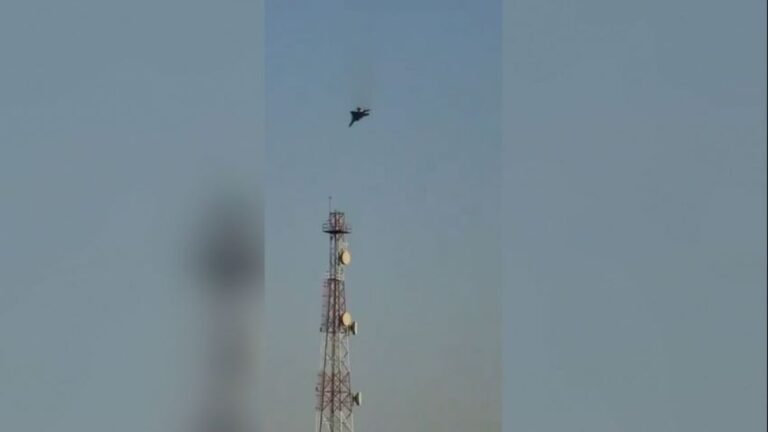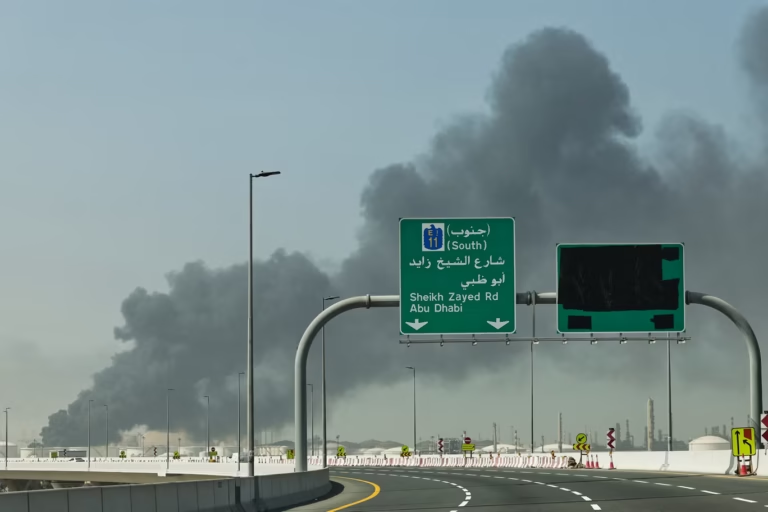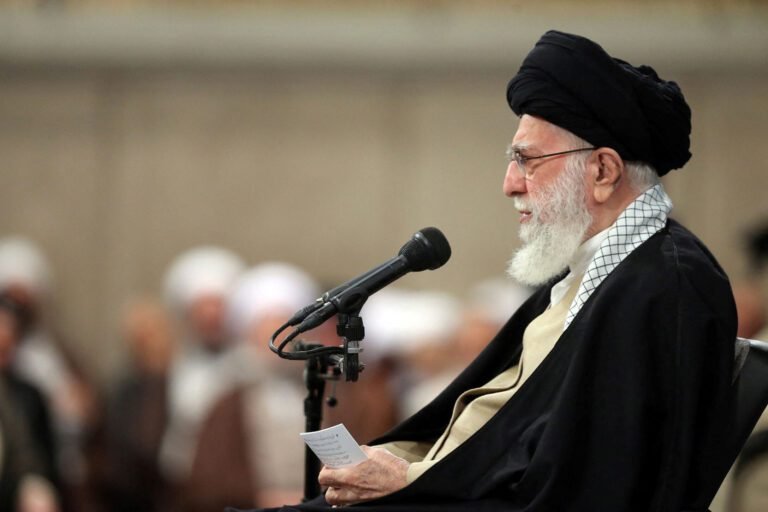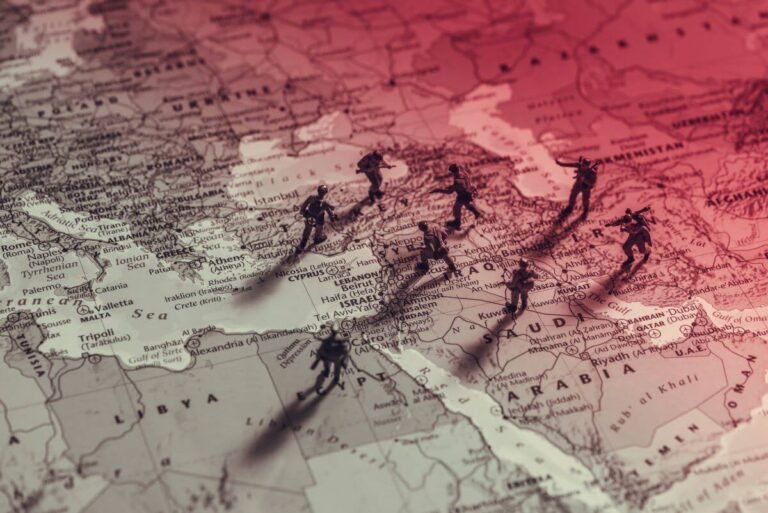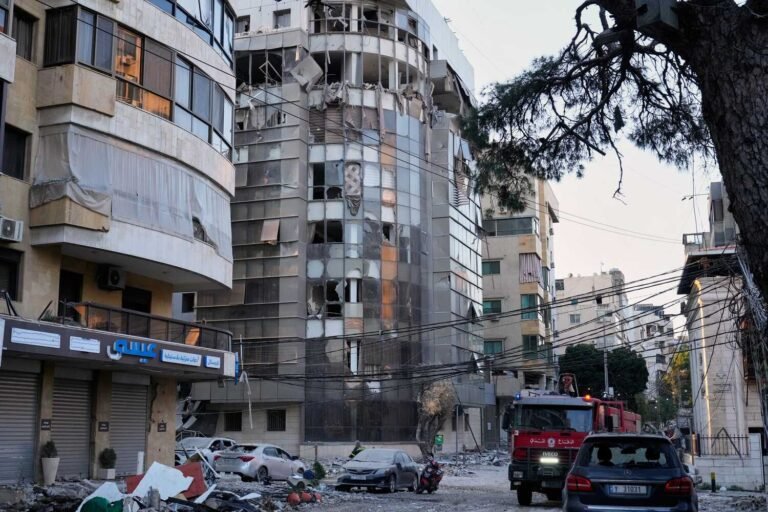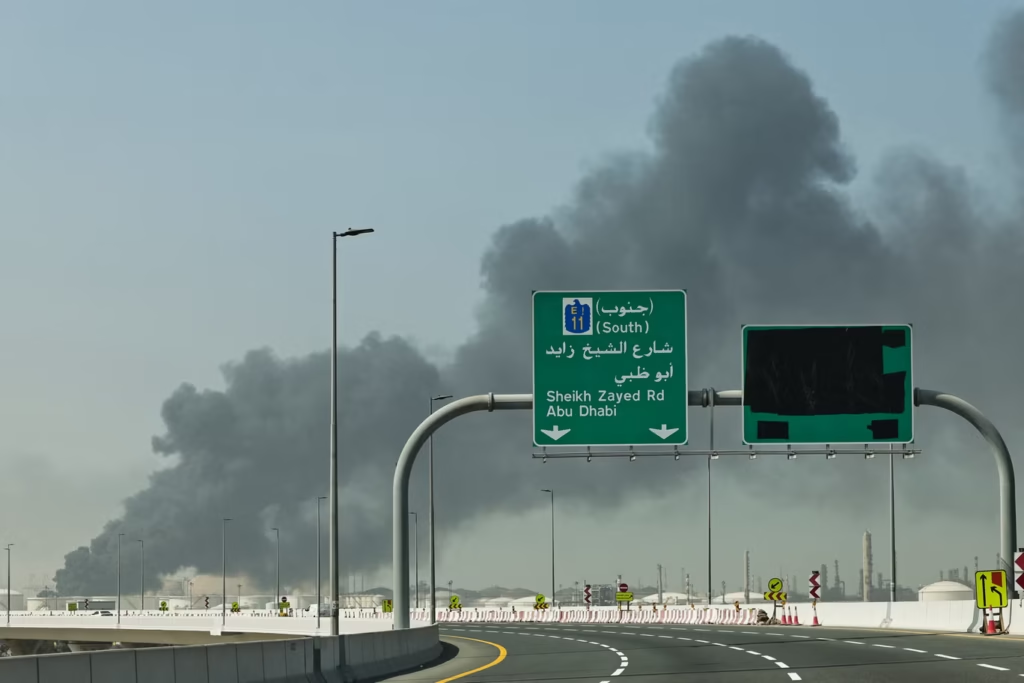
Iran launched an aerial assault on the United Arab Emirates on Saturday and Sunday, in retaliation for coordinated US-Israel strikes that killed Iran’s Supreme Leader Ayatollah Ali Khamenei.
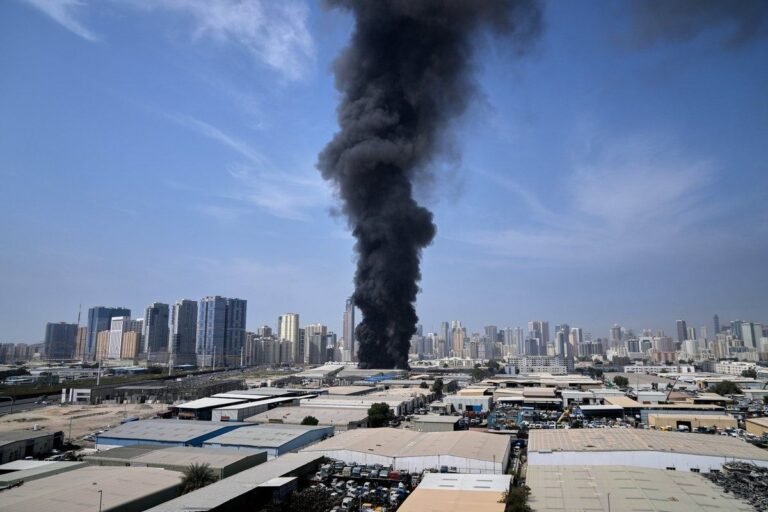
The attacks struck airports, hotels, seaports, military bases, and civilian neighborhoods across Dubai, Abu Dhabi, and Sharjah, killing three foreign nationals and injuring dozens.
In Dubai, residential neighborhoods near the Burj Khalifa, Dubai Marina, and the Palm Jumeirah were hit, setting the Fairmont The Palm hotel on fire and injuring four people.
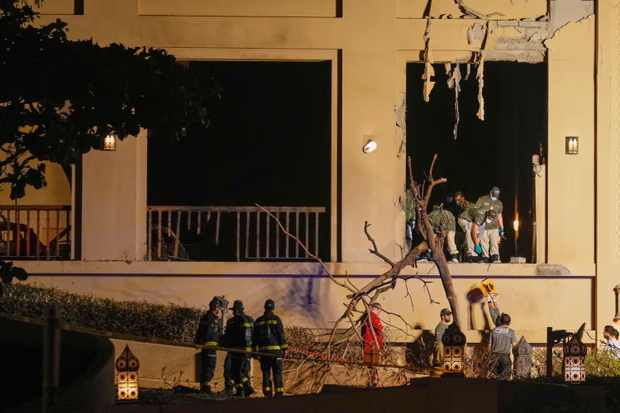
Debris from an aerial interception caused a fire at one of the berths at Jebel Ali Port, one of the world’s busiest cargo hubs, though emergency crews responded quickly and no casualties were reported there.
A small fire also broke out on the facade of the Burj Al Arab after a late-night strike, with no reported injuries. Dubai International Airport’s Terminal 3 was struck by a drone, forcing an evacuation; the airport was hit a second time in the early hours of Sunday morning.
Abu Dhabi suffered some of the most significant damage. Al Dhafra Air Base, a key US military installation in the emirate, was struck. Two Iranian drones also hit Al Salam Naval Base, sparking a fire in two containers, with no reported casualties.
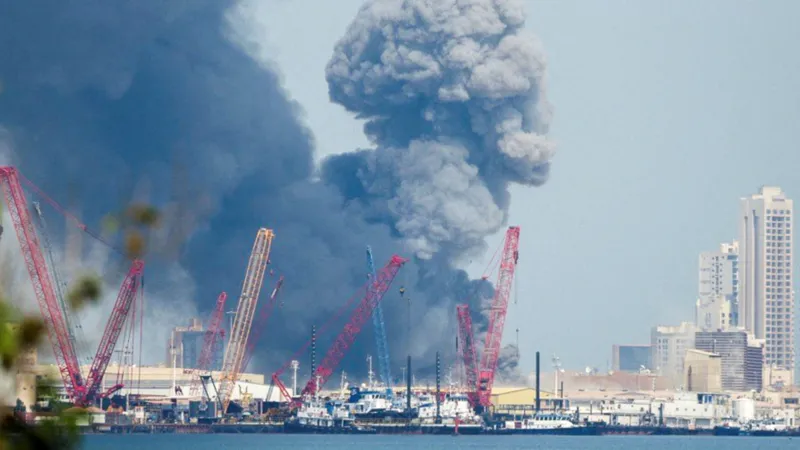
At Zayed International Airport, one person was killed and four others were seriously injured. Three people were killed across the UAE as a result of Iranian strikes that penetrated the country’s air defenses. Dozens more were injured in various incidents across the three emirates.
UAE authorities activated emergency protocols across all major infrastructure sites. Civil Defense teams contained fires at Jebel Ali Port and the Burj Al Arab without reported casualties. The UAE government condemned the strikes and called for international intervention to de-escalate the crisis.

Usman Naseer
Usman Naseer is a writer and researcher in international affairs, conflict studies, and geopolitics. With a background in Peace and Conflict Studies, his work explores emerging security challenges, diplomacy, and global power shifts.