Cuba (TDI): Cuba has firmly rejected US pressure after President Donald Trump called on the island to strike a deal over Venezuelan oil, highlighting the government’s commitment to sovereignty and self-determination.
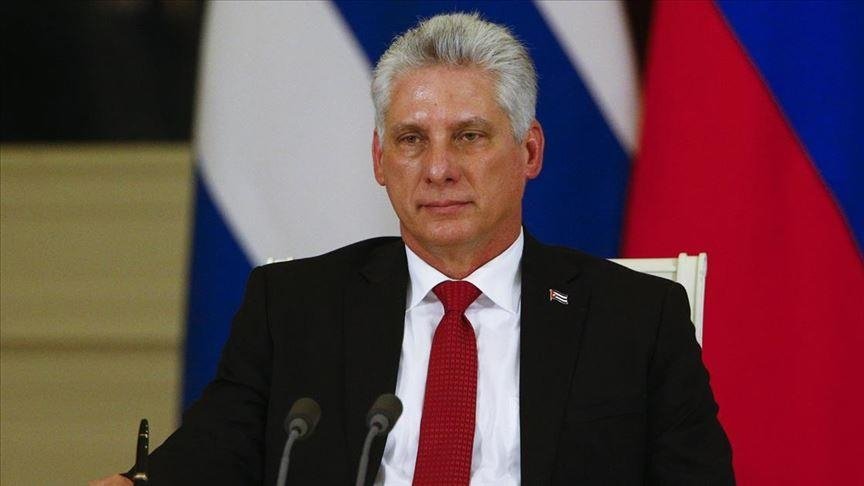
Cuba is a free independent and sovereign nation. It does not initiate aggression but has been targeted by the United States for 66 years. While we do not threaten, we remain prepared to defend our homeland to the last drop of blood, Cuban President Miguel Diaz-Canel said Sunday in a post on X.
Havana’s response was reinforced by Foreign Minister Bruno Rodriguez Parrilla, who accused Washington of destabilizing the region and the world.
“Like any nation Cuba has the Sovereign right to import fuel from countries willing to sell it and to conduct its own trade without being subjected to unilateral coercive measures from the US.”
“The United States acted like an uncontrolled hegemon, threatening peace and security not only in Cuba and the hemisphere but across the globe. Unlike the US does not resort to mercenary actions, blackmail, or military coercion against other countries,” Rodriguez wrote on X.
Read More: Next in Line: Trump Threatens Mexico, Cuba, and Colombia
He also noted that Cuba never sought compensation for the security services it provides internationally underscoring the island’s long-standing stance against US interference.
The Cuban’s leader statement came in response to Trump’s direct message earlier, in which the US president demanded that Havana “make a deal, before it’s too late” following the US led capture of Venezuelan President Nicolas Maduro.
Trump also emphasized that Venezuela, Cuba’s largest oil supplier, has not sent any shipments to the island since the capture of Maduro and amid a strict US oil blockade.
He warned that “there will be no more oil or money going to Cuba, zero!”, urging the Cuban government to negotiate with Washington, though he did not specify what kind of deal he envisioned. Trump added that Cuba had long relied on Venezuelan support for both oil and financial aid.
Cuba’s energy system has grown increasingly dependent on Venezuelan oil under the long-standing US trade embargo, with Havana relying on fuel shipments from Caracas under an agreement first made with Venezuela’s late President Hugo Chávez.
Read More: Cuba’s Independence: A Pawn in Western Strategies
In recent years, as Cuba’s own refining capacity weakened, Venezuela remained the island’s largest supplier, exporting around 26,500 barrels of crude and fuel per day last year, enough to cover roughly half of Cuba’s oil shortfall.
In addition to Venezuelan imports, Cuba has also purchased smaller amounts of crude and fuel from Mexico to help meet its energy needs.
In a further twist, Trump reposted a message on X suggesting that US Secretary of State Marco Rubio could assume the presidency of communist-governed Cuba, a move Trump commented on, saying, “Sounds good to me!”
Despite the US pressure, Cuban officials have maintained a defiant posture, signaling that Havana will chart its own path, defend its people, and assert its sovereignty, regardless of external demands.

Minahil Khurshid holds a master’s degree in Peace and Conflict Studies from CIPS, NUST. She has a strong interest in current affairs, geopolitics, and policy analysis.