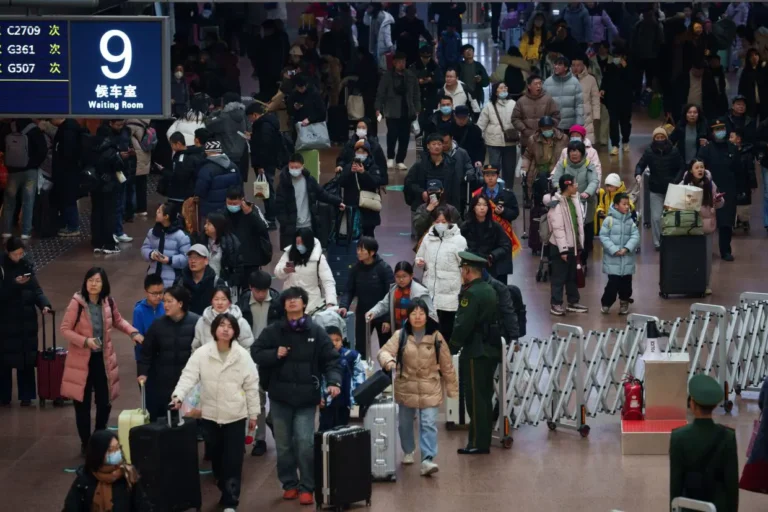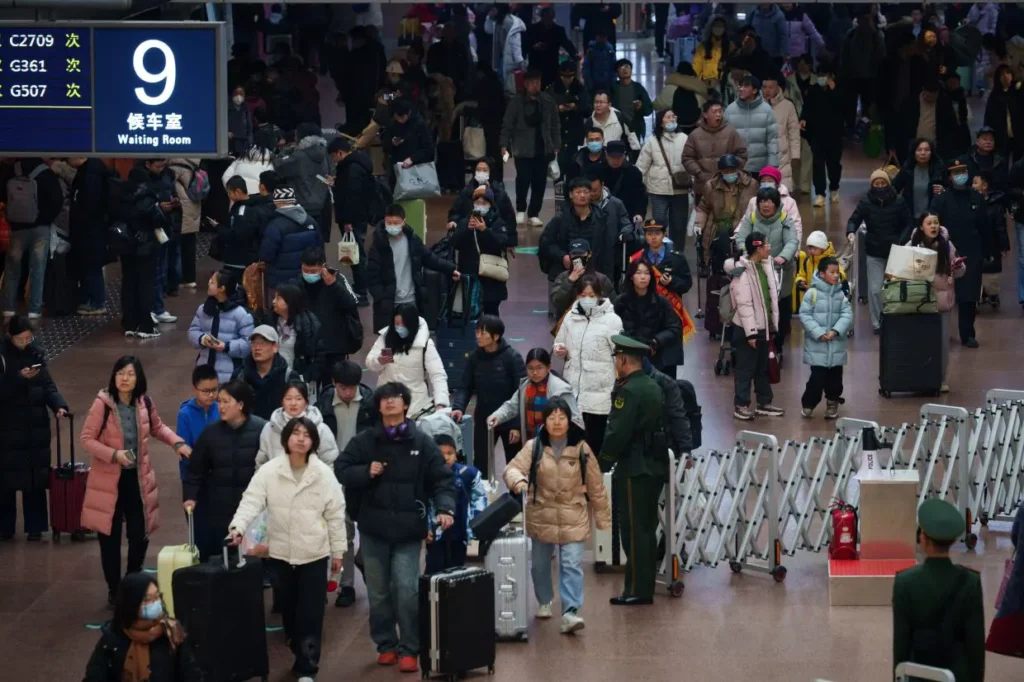
As China enters an extended nine‑day Lunar New Year holiday, a striking surge in outbound travel has been observed; especially toward Russia and Thailand, which reflects shifting travel patterns and geopolitical undercurrents shaping one of the world’s busiest annual travel periods.
China anticipates a record 9.5 billion passenger trips during the 40‑day Spring Festival travel rush, up from 9.02 billion last year, as millions of travelers return home or seek leisure abroad.
Domestic destinations such as the tropical island of Hainan and the snow‑capped Changbai Mountain are also in high demand, reflecting a split between warm and cold‑weather holidays.
Thailand has reclaimed its position as the most popular overseas destination for Chinese tourists this year, thanks in part to its warm climate while much of China remains cold.
Travel agency executives say demand for Thai destinations has climbed sharply, with cultural and hospitality sectors gearing up for increased arrivals.
This resurgence comes amid broader diplomatic and policy gestures: Thai officials have publicly welcomed Chinese tourists, with government figures even offering Lunar New Year greetings in Mandarin, a symbolic move to strengthen cultural and tourism ties.
Read More: China’s Spring Festival Travel Rush Begins, Billions of Trips Expected
Chinese travel to Russia has more than doubled compared with last year, buoyed by Moscow’s decision to waive visas for Chinese citizens through September 2026. Industry analysts predict continued growth in this market, particularly from travelers seeking novel destinations after pandemic‑era restrictions eased.
Long‑haul travel has also picked up steam, with bookings to Australia reportedly more than doubling as increased international flight capacity allows travelers to venture further afield.
Aviation data shows international seat capacity during the holiday now accounts for roughly half of total available seats, signaling airlines’ confidence in cross‑border demand.
Not all destinations have benefited. Travel to Japan, historically a favored choice among Chinese tourists, has plummeted amid rising political tensions and official Chinese safety advisories.
Recent flight data indicates a near 50 % year‑on‑year drop in China–Japan flights, with dozens of routes cancelled altogether, a stark contrast to last year’s travel patterns.
A prolonged property market downturn and uneven post‑pandemic growth have dampened domestic consumption, prompting many Chinese to prioritize experiential spending such as travel over traditional material purchases. Experts suggest this reflects deeper shifts in consumer behavior amid lingering economic uncertainty.