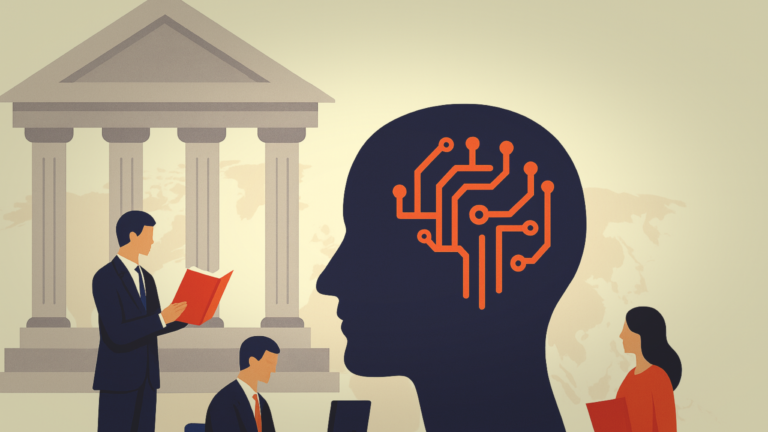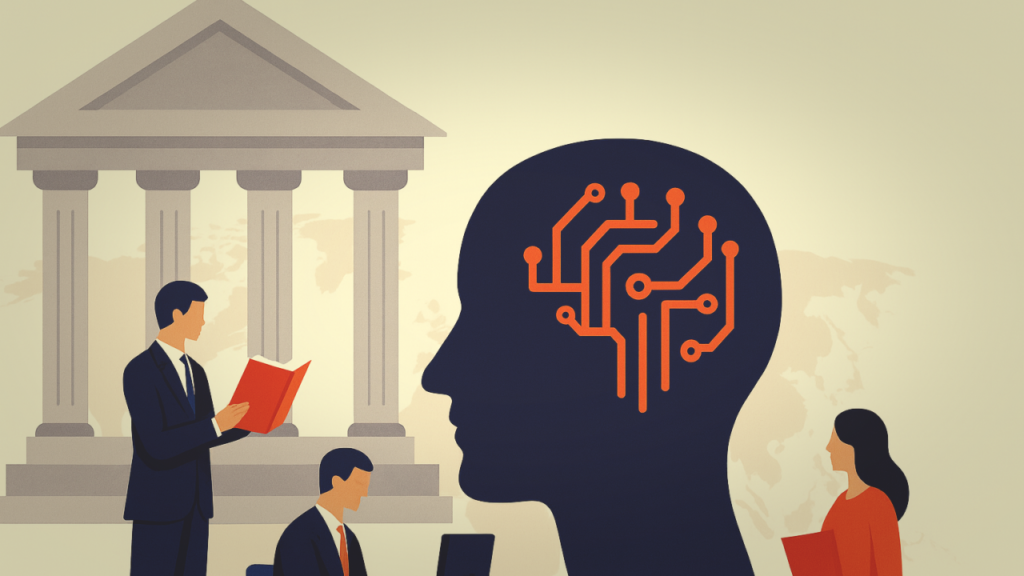
Artificial intelligence is no longer an emerging trend, it is a defining force of our time. From financial systems and defense strategies to education, media, and governance, AI is shaping how decisions are made and how societies function.
As nations compete to lead in technological innovation, a fundamental diplomatic and ethical question arises: how do we preserve human agency in an increasingly automated world?
Human agency, the capacity to make independent choices, exercise judgment, and assume responsibility remains essential. Yet as AI systems become more integrated into policymaking, security infrastructure, and economic planning, the line between human oversight and machine influence becomes less distinct.
Algorithms now assist in predictive analysis, intelligence assessments, and strategic modelling. While efficiency increases, so does reliance.
Humans excel where AI falters: creativity, empathy, and ethical judgment. AI can generate art, but it lacks the soul stirring intent. Agency thrives when it comes to deciding why to create, not just how. Challenges arise when we over rely on AI.
Read More: Dialogue Through Debate: Join European Voice Assembly 2026 Debate Competition
For policymakers and global leaders, this shift carries profound implications. If automated systems influence decisions that affect millions, who is accountable when those systems fail? How should states regulate AI without undermining innovation? Can international norms keep pace with technological acceleration? These are not technical questions alone; they are diplomatic ones.
This is where debate becomes not just relevant, but necessary.
Structured debate provides a disciplined space to examine competing interests, ethical trade offs, and policy frameworks. It compels participants to engage with complexity rather than retreat into simplistic narratives. In discussions surrounding AI, debate helps move beyond polarized rhetoric, the notion that AI is either a miracle solution or an existential threat, and toward balanced, evidence-based reasoning.
AI governance also intersects with broader themes of global responsibility. Artificial intelligence systems do not operate within borders. A platform developed in one country can influence political discourse, economic markets, or public opinion across continents.
The absence of coordinated international standards risks fragmentation, regulatory conflict, and uneven safeguards. Through debate, emerging leaders can examine whether global AI frameworks are feasible, what sovereignty means in a digital era, and how ethical principles can be harmonized across cultures.
Platforms such as the European Voice Assembly (EVA) 2026, to be held in Istanbul, recognize the urgency of these conversations. By placing “AI and Humanity” within a global debate framework, EVA signifies that artificial intelligence is not merely a technological issue but a geopolitical and societal one.
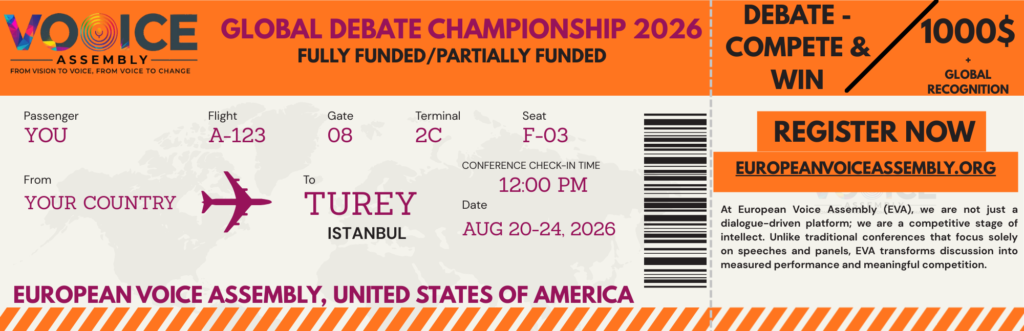
Bringing together students, universities, and young leaders from diverse regions fosters cross-cultural dialogue on innovation, regulation, and responsibility.
For the next generation of diplomats, policymakers, and entrepreneurs, engaging in such debate is formative. Today’s students will shape tomorrow’s AI governance structures. Their ability to critically assess algorithmic power, question regulatory gaps, and defend human-centered frameworks will influence how technology integrates into daily life.
At its core, navigating AI and human agency is about maintaining balance. Innovation must advance, but not at the expense of accountability. Efficiency must improve, but not at the cost of autonomy. Technology should augment human capability, not eclipse it.
As artificial intelligence continues to evolve, the defining challenge will not be whether machines become more sophisticated. It will be whether global institutions and emerging leaders remain deliberate in guiding that evolution.
Through structured debate and international dialogue, platforms like the European Voice Assembly contribute to a broader diplomatic effort: ensuring that technological progress strengthens human agency rather than diminishes it.
In the end, the future of AI will not be determined solely by engineers or code. It will be shaped by our collective willingness to keep human judgment at the center of technological transformation.