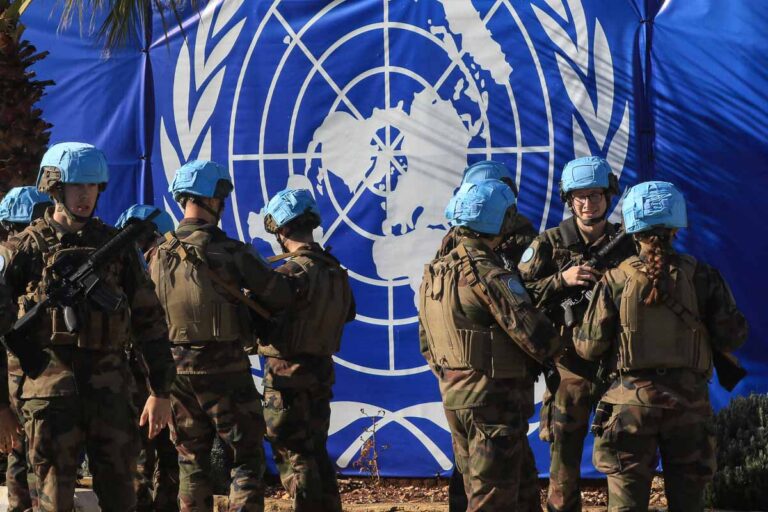
United Nations (TDI): Pakistan has urged the United Nations to ensure that financial constraints and cost-cutting measures do not undermine its peacekeeping operations, warning that reductions in resources could weaken the organization’s ability to maintain international peace and security.
The warning comes as UN peacekeeping faces mounting financial and political pressures. The UN General Assembly has approved a $5.1 billion budget for peacekeeping operations for 2026–27, approximately 10 percent lower than the previous year’s allocation.
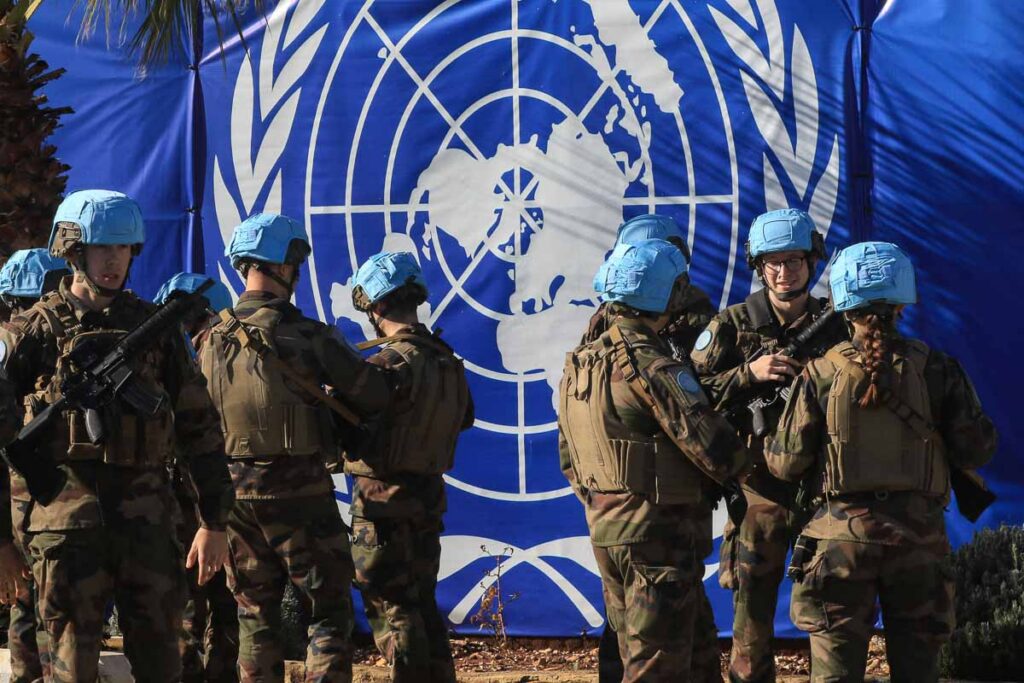
A funding crisis last year had already forced the organization to reduce mission expenditure and repatriate a quarter of its uniformed personnel serving in peacekeeping operations.
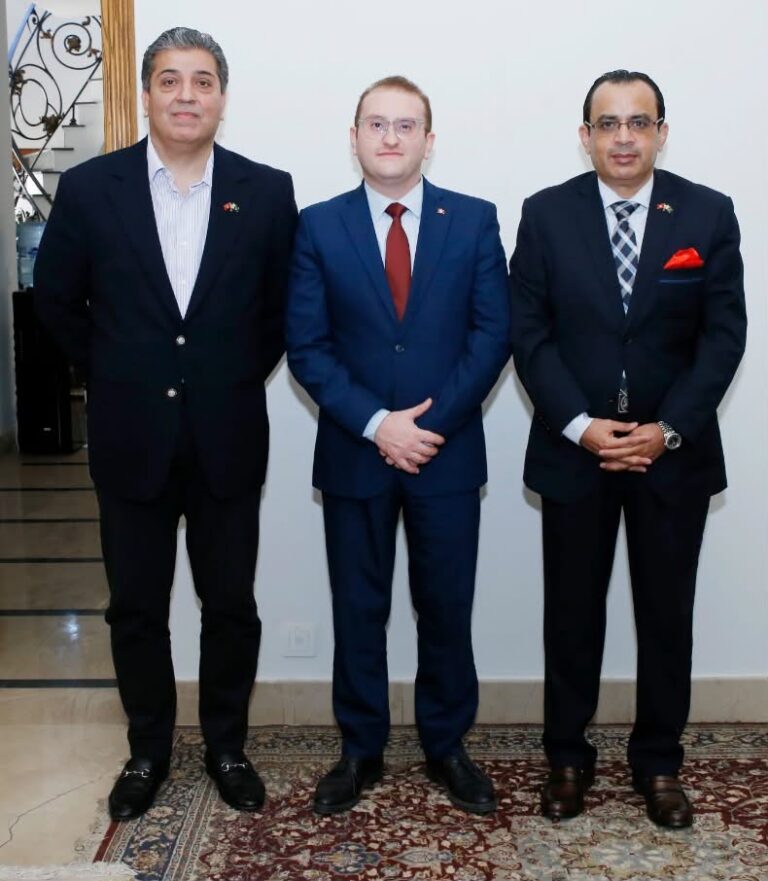
Addressing the Fourth Committee of the 81st session of the UN General Assembly on Friday, Pakistan’s Permanent Representative, Ambassador Syed Haider Shah, called for reforms that improve the effectiveness of peacekeeping without compromising the capabilities required to fulfil mission mandates.
“What is needed is the political will in the Security Council to use this important instrument when circumstances require,” he said.
Pakistan is among the largest and longest-serving contributors to UN peacekeeping. More than 170,000 Pakistani military and police personnel have served in UN missions over the past six decades, with 183 losing their lives. The country also hosts the United Nations Military Observer Group in India and Pakistan (UNMOGIP).
Ambassador Shah welcomed the Secretary-General’s review of peacekeeping operations and outlined six priorities for strengthening the system.
Read More: UN Peacekeeping Forces Hit 25-Year Low as Funding Crisis Hits
These include giving primacy to political solutions, ensuring focused and adequately resourced mandates, preserving the institutional strengths of peacekeeping, preparing for future military and police requirements, improving the safety and security of peacekeepers, and maintaining peacekeeping as a collective UN responsibility.
Pakistan expressed concern over the growing gap between the responsibilities assigned to peacekeeping missions and the resources available to carry them out.
Shah cautioned against allowing financial ceilings to dictate operational requirements, arguing that political objectives should first determine what a mission is expected to achieve. Its mandate should then establish the personnel, equipment and financial resources needed to accomplish those objectives.
UN peacekeeping missions play an important role in stabilizing conflict situations, protecting civilians, supporting ceasefires and preserving opportunities for negotiations. Pakistan maintained that these functions require adequate resources and sustained political support.
Read More: Pakistan, Denmark Advance UN Peacekeeping Cooperation
The ambassador also called for preserving the distinctive advantages of UN peacekeeping, including its universal legitimacy, predictable financing, established command and logistics systems, and access to personnel and specialized capabilities from across the UN membership.
“Efficiency and cost reduction must therefore strengthen peacekeeping, not hollow out the capabilities that give UN peacekeeping its unique value,” he said.